
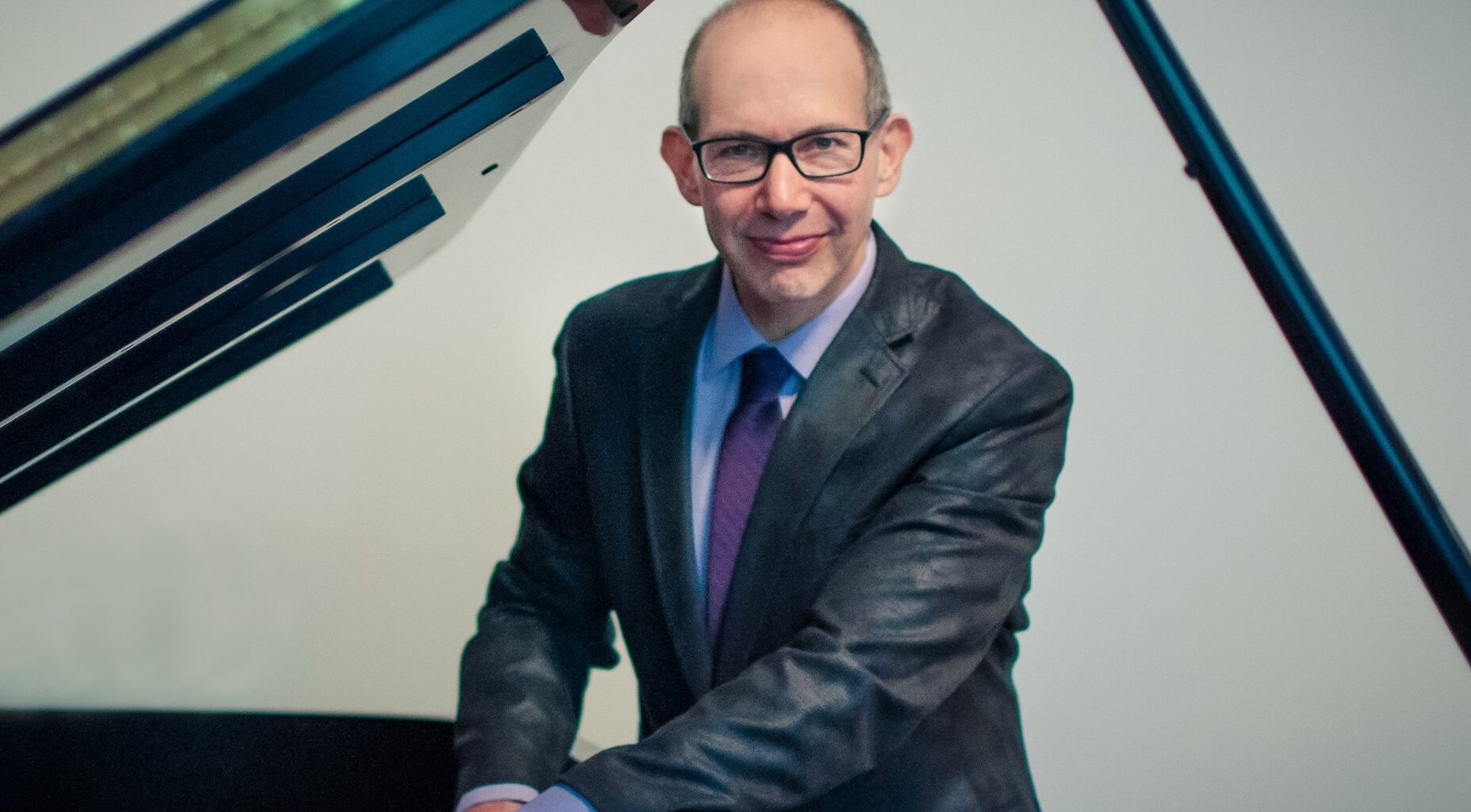
Lenox — Few jazz musicians balance performing, composing, and teaching as seamlessly as Ted Rosenthal. For the internationally acclaimed pianist, jazz is more than a musical genre; it is a way of listening, collaborating, and learning. He will bring that philosophy to the Berkshires this summer through a series of appearances that includes a Kids 4 Harmony gala, a “Jazz 101” presentation at Tanglewood, and a quintet celebration of the enduring legacy of Miles Davis and John Coltrane.
Rosenthal has developed a loyal Berkshire following over the years, and audiences who have heard him at Tanglewood will find several opportunities to catch him this summer.
His Berkshire itinerary begins June 23, when he joins students from Kids 4 Harmony as a soloist at the organization’s annual gala in Seiji Ozawa Hall. On July 24, he returns to Tanglewood’s Linde Center for “Jazz 101,” an exploration of jazz forms, improvisation, rhythm, harmony, and the shared musical language that underpins the art form. The summer culminates July 26 in Ozawa Hall, where Rosenthal leads his quintet in “100 Years of Miles and Coltrane,” a tribute to two of jazz’s most influential figures, featuring trumpeter Ingrid Jensen, saxophonist Jimmy Greene, bassist Noriko Ueda, and drummer Dennis Mackrel.
I interviewed Ted via email last month. Our conversation has been edited for length and clarity.
You have taught at both the Juilliard School and Manhattan School of Music for many years. What keeps you energized about working with young musicians?
I’m fortunate to teach at two of the top jazz programs in the world. I work with many of the finest young jazz pianists, who quickly go on to make a name for themselves in the professional world. They inspire me with their talents, creativity, and curiosity. But I always find areas for them to work on, develop, and refine. This artistic process is a lifelong pursuit for both the students and the teacher. They inspire me, and I believe I inspire them too!
What excites you most about performing with Kids 4 Harmony students at the June 23 gala?
The young musicians are very impressive in their talent, work ethic, and seriousness of purpose. It’s wonderful to see how the process of learning a musical instrument and playing in an ensemble can develop young people in so many important ways: in analytical and critical thinking as well as in artistic and humanistic areas, to name a few.
Jazz is built on listening and collaboration. Are there lessons from jazz that extend beyond music into everyday life?
Absolutely. Jazz involves teamwork, making your partners sound good. It teaches you to think on your feet (improvisation), to be flexible, to lead, and to follow in the same performance situation. All of these things are highly applicable to many aspects of one’s professional and personal life.
Arts education faces challenges nationwide. What role do programs like Kids 4 Harmony play in a young person’s development?
As I mentioned, the Kids 4 Harmony program provides important skill building for young people. The program fosters the personal discipline of learning an instrument, as well as the teamwork skills in playing in an ensemble. Also, thinking about musical expression, artistry, and ideas greater than your immediate surroundings can greatly expand a young person’s view of the world.
The Berkshires has a unique mix of classical, jazz, and contemporary music audiences. How does that shape your performances here?
My music and career have been shaped by both jazz and classical music. The audiences here in the Berkshires seem very attuned to the sensibilities of both genres. Programming is important, and I always try to present a program with strong thematic elements, diverse moods, and a dramatic arc.
What can audiences expect from your ‘Jazz 101’ presentation, and what misconceptions about jazz do you most enjoy challenging?
I’m greatly looking forward to this presentation! I plan to explain concepts of jazz forms, chiefly the song form and the blues. And I’ll demonstrate how much of jazz structure is really theme and variations with improvisation. Much of the freedom comes within the framework of the song. I’ll also discuss elements of rhythm, harmony, and melody and compare and contrast them with classical music style.
I believe people don’t always understand how much structure and shared musical language there is in a jazz performance. A bit more understanding can only increase one’s enjoyment of the music. The audiences notice how much we enjoy ourselves when performing. I call it ‘serious fun.’
Why do Miles Davis and John Coltrane continue to resonate?
Both Miles and Coltrane were huge influences, both as virtuosic instrumentalists, composers, and band leaders. They presided over some of the most important developments and evolutions in jazz. Their music encompasses different periods and styles, demonstrating their continued growth as artists. In addition to their huge body of important work, I believe their continuing search for new ideas resonates with jazz musicians and all artistic creators.
Your opera ‘Dear Erich’ tells a deeply personal and historical story. What did that project teach you about the power of music to communicate difficult truths?
I’ve recently returned from Germany, where I did concerts and presentations of the music and story of ‘Dear Erich,’ some for students. It’s quite moving and gratifying to see people react, acknowledge, and contemplate very difficult history. I believe an artistic work like ‘Dear Erich’ can teach about the Holocaust in a different way. Telling a personal family story through a musical drama elicits a very different reaction and reaches people quite differently than learning about the Holocaust from a textbook. The arts can be very powerful teachers of history and communicate ideas and reach people in unique and personal ways.
You released four new albums in 2025. What themes or ideas connected those projects?
The four albums each have programs that are representative of the four musical areas I am most actively pursuing. ‘High Standards’ reflects my love of the Great American Songbook and my personal takes on those standards. ‘The Ted Rosenthal Songbook’ represents my work as a composer/pianist. This album of my original compositions includes four songs from ‘Dear Erich’ presented by my trio. ‘Classics Reimagined: Impromp2’ reflects my work in reimagining classical themes into the jazz aesthetic. Finally, ‘The Good Old Days’ demonstrates my love of the entire history of jazz piano, including ragtime and stride piano.
What do you hope audiences and students in the Berkshires remember after sharing the stage with you this summer?
I hope they enjoy and are moved by the music. I hope they experience the many ways that jazz—in this case through the music of Miles Davis and John Coltrane—can stimulate you emotionally and intellectually. And I hope to take the audience on a musical journey to experience the depth and variety of sonic landscapes that Miles and Coltrane inspire.