
STATEN ISLAND, N.Y. – Staten Island has remained one of New York City’s most consistent rabies hotspots in recent years, with more than two dozen cases reported across neighborhoods from the North Shore to the South Shore.
Since 2022, the borough has recorded 26 confirmed rabies cases — the second-highest total in the city behind Queens, which has reported 39, according to data from the New York City Health Department. The Bronx has documented 17 cases, while Brooklyn has reported seven.
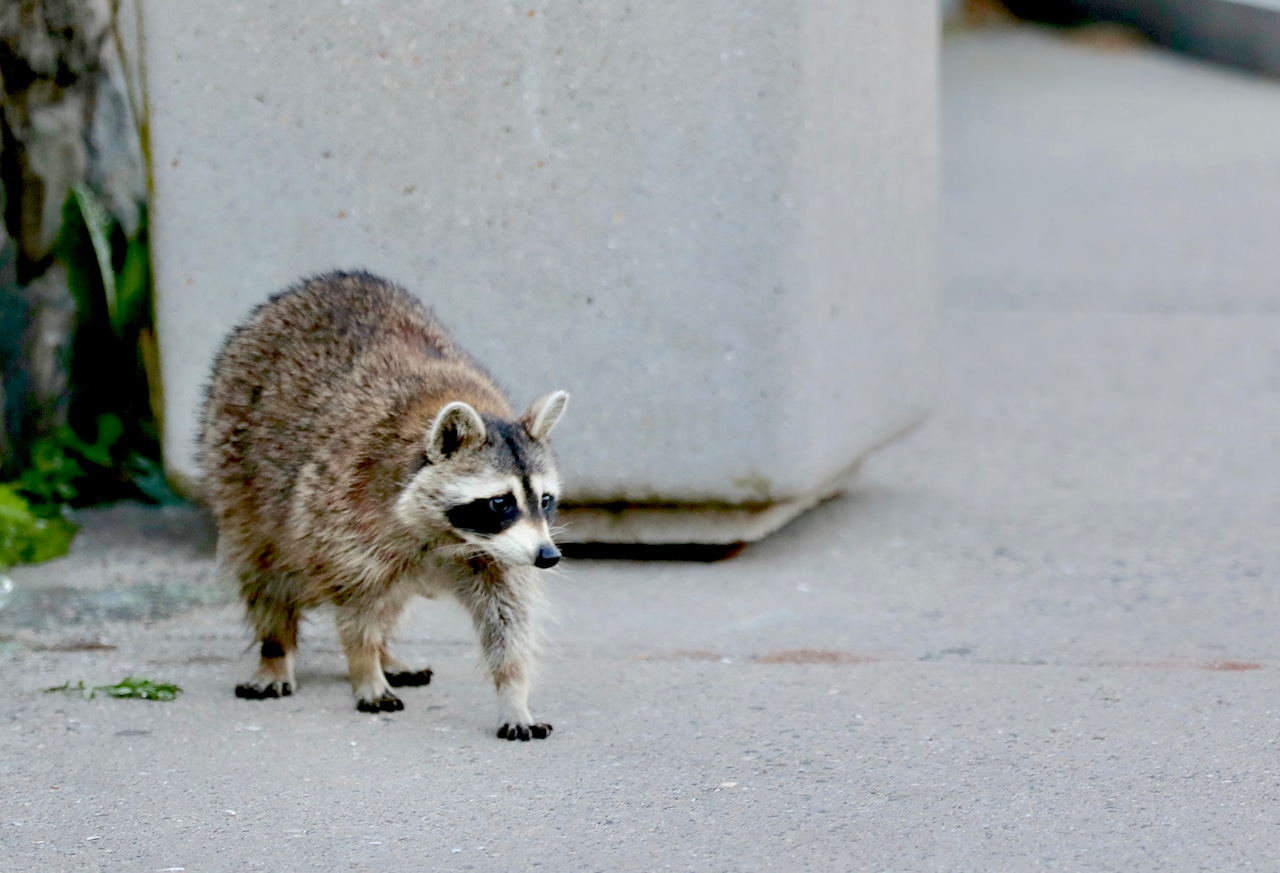
On Staten Island, the virus has appeared primarily in raccoons and often in residential areas, underscoring how frequently wildlife comes into close contact with people and pets.
So far in 2026, six of the city’s 10 confirmed rabies cases have been reported on Staten Island — all involving raccoons found at the following locations:
Hanover Avenue and Palma Drive on Feb. 20 Isabella Avenue and Whitehall Street on Feb. 26Forest Road and Jenna Lane on April 14Hylan Boulevard and Indale Avenue on May 12Fairlawn Avenue and Fairlawn Loop on May 19Hanover Avenue and Palma Drive on June 4
The locations span multiple parts of the borough, often near residential streets rather than deep within parkland.
Rabies is a viral disease that affects the nervous system of mammals, including humans, and is typically spread through bites or contact with the saliva of an infected animal. In New York City, the virus is most commonly found in raccoons, bats and skunks.
Despite Staten Island’s steady caseload, the borough was excluded from a recent city-led oral rabies vaccination effort targeting wildlife.
The program, announced in May, is distributing fish-scented bait packets containing rabies vaccine in select parks and green spaces across Brooklyn and Queens. The effort is led by the city Health Department in partnership with the Department of Parks and Recreation and the U.S. Department of Agriculture, and is aimed at reducing transmission among wildlife populations.
Staten Island Borough President Vito Fossella criticized the borough’s exclusion as “unacceptable,” arguing that Staten Island is often overlooked in city initiatives.
“Being excluded from this necessary vaccination program is unacceptable, it’s not right for the people of Staten Island, and intentional or not, this neglect needs to come to an end,” Fossella said.
A spokesperson for the Health Department said vaccination efforts are based on the risk of transmission and the potential spread of the virus to new areas — not simply where the most cases have recently occurred.
Health Department officials said Brooklyn and Queens were prioritized due to their proximity to Long Island, where a “growing cluster of rabid raccoons” has raised concerns about the virus spreading further.
“The NYC Health Department recently conducted rabies vaccine baiting in Queens and Brooklyn where 19 animals have tested positive for rabies since the start of 2025,” the spokesperson said. “This was done in response to a growing cluster of rabid raccoons across Long Island to prevent the virus from spreading into new areas. We plan to bait again in the fall when juvenile raccoons are more mobile.”
Despite the ongoing cases and Fossella’s criticism, no timeline has been announced for including Staten Island in future vaccination efforts.
Even so, Staten Island continues to see cases reported across its neighborhoods, reinforcing its status as one of the city’s most persistent centers of rabies activity.