
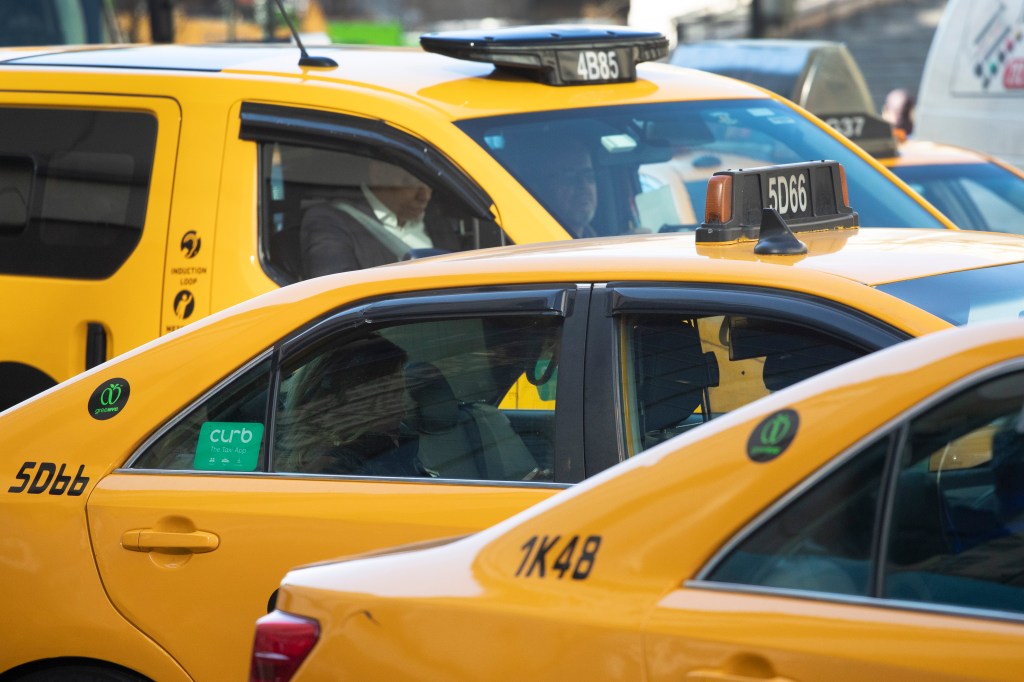
The results are in from a Taxi and Limousine Commission survey of the city’s licensed for-hire drivers — and they want fairer treatment, safer pick-ups, and bathrooms.
The survey — the TLC’s first effort to formally gather the opinions on the day-to-day issues of it’s licensed drivers — was first launched in April. In-person outreach and emails to drivers garnered responses from roughly 4,000 of the city’s 180,000 licensed taxi and for-hire drivers.
“We’re going to listen to the working people who keep this city moving before we make decisions that affect their families and their livelihoods. That’s what this survey is about,” Mayor Mamdani said in a statement Monday. “TLC drivers have been forced to shoulder the consequences of policies they had little role in shaping. We’re changing that.”
The majority of the respondents — 63% — said they drove for rideshare giants like Uber and Lyft. Yellow-cab drivers made up 19% of the respondents, while 9% were black-car drivers.
Of those surveyed, more than a quarter — a plurality of 27.4% — said they “strongly disagree” with the suggestion that they are treated fairly by the companies for which they drive. An additional 14.7% said they “somewhat disagreed”. Another 19.6% said they “somewhat agreed,” and 21.5% “strongly agreed.”
Getty
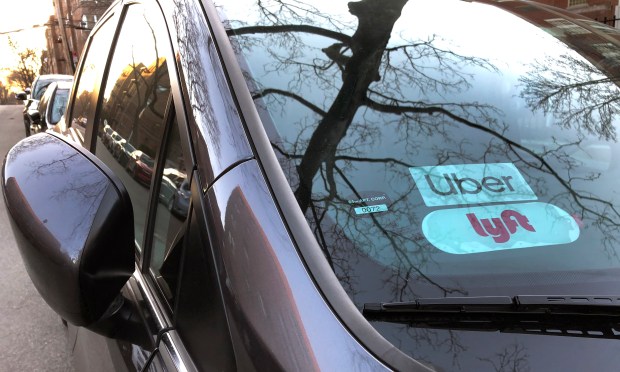
Uber and Lyft signs in the windshield of a car in Queens, New York. (Photo by: Lindsey Nicholson/Education Images/Universal Images Group via Getty Images)
Responses were more varied as to drivers’ biggest source of frustration.
Twenty-eight percent of those who replied said they were most enraged over having to compete with illegal taxi hustlers — many of whom pose as licensed rideshare drivers in order to shake down unsuspecting tourists at the city’s airports. But 27% said new rules and regulations, ostensibly from the TLC itself, were more frustrating. Still others — 26% — said TLC fines and penalties caused them the most agita.
Asked what had the biggest impact on their workday, however, two answers dominated: Looking for a decent place to pick up or drop off passengers — 29% — and looking for a decent place to go to the bathroom — 27%.
Bathroom access has been a long-running concern for rideshare drivers — many of whom spend long hours on the road in a city known to have few public restrooms.
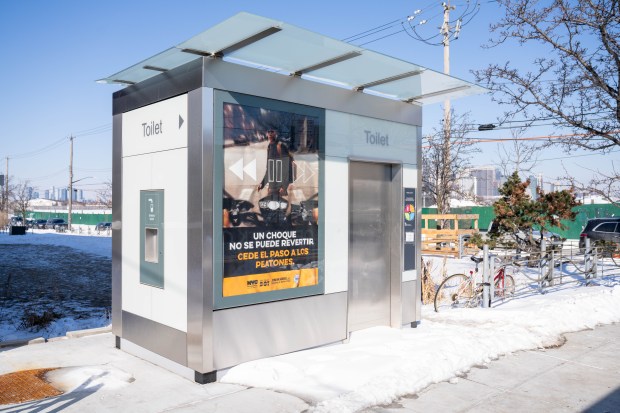 A closed public restroom is seen here on Ferris Street near Coffey Street in Red Hook, Brooklyn, on Thursday January 29, 2026. (Theodore Parisienne / New York Daily News)
Despite the recent influx of electric vehicles into the city’s rideshare fleet, only 5.5% said their workday was impacted by trying to find a charging station — an indication that the network of chargers has grown to meet demand.
““I am thankful to lead an organization that listens to its drivers, and this survey will help shape TLC’s agenda moving forward,” Commissioner Midori Valdivia said in a statement. ““We are committed to building a system that values dignity, better integrates drivers, and ensures that the corporations that benefit from their labor are held accountable.”
A spokesman for the TLC said the agency plans to repeat the survey regularly as a way of tracking driver concerns and guiding TLC policy.