
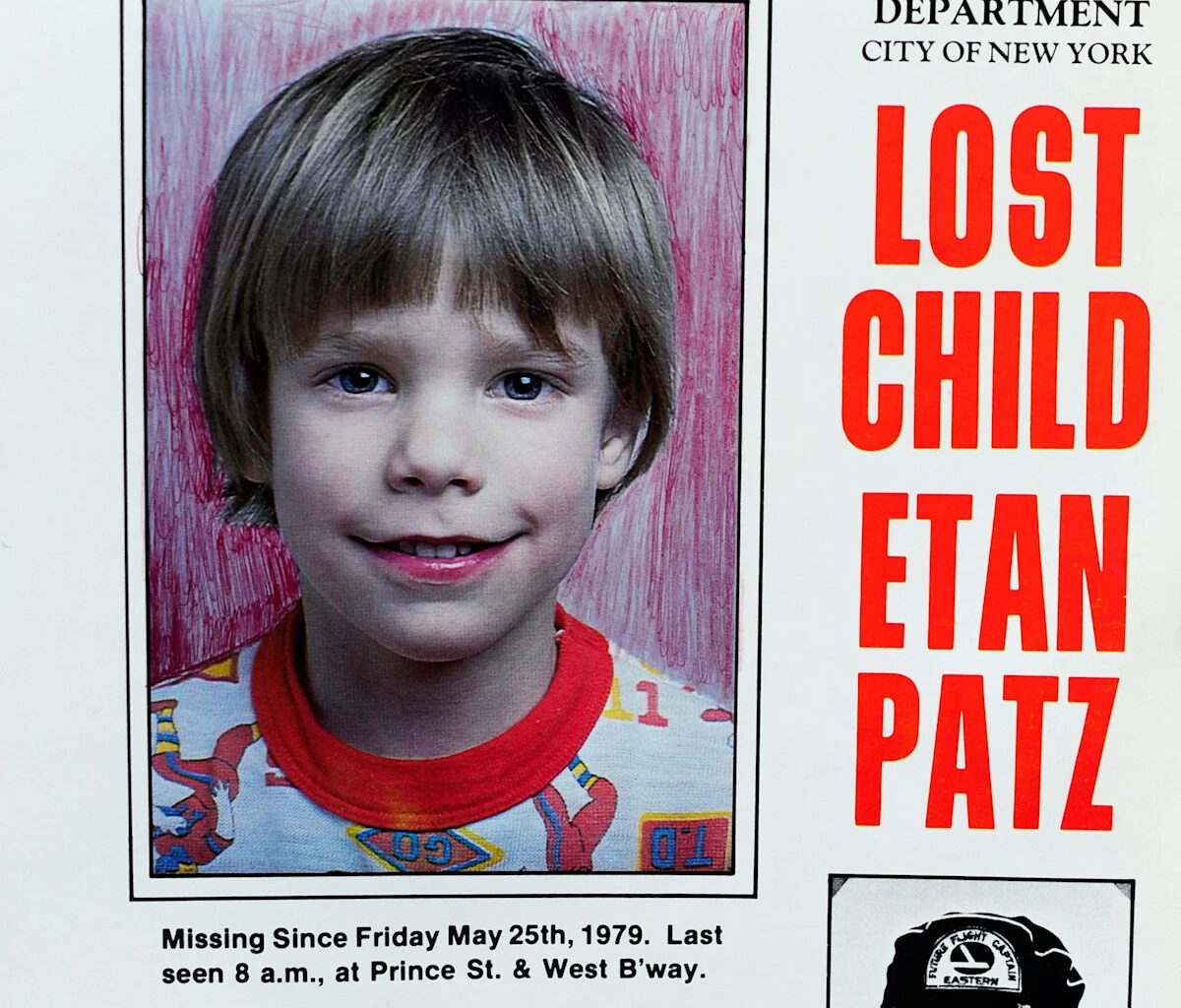
WASHINGTON – The Supreme Court ruled June 22 that a man convicted of kidnapping and murdering a 6-year-old in one of the most infamous “cold cases” in American history should not be granted a new trial.
In an unsigned opinion, the court reversed a decision that determined the jurors who convicted Pedro Hernandez of killing Etan Patz received improper instructions.
Etan vanished near his New York City home more than four decades ago. His body has never been found, but his disappearance helped transform the way the country handles missing children.
More: How one 6-year-old in 1979 transformed the way America searches for missing kids
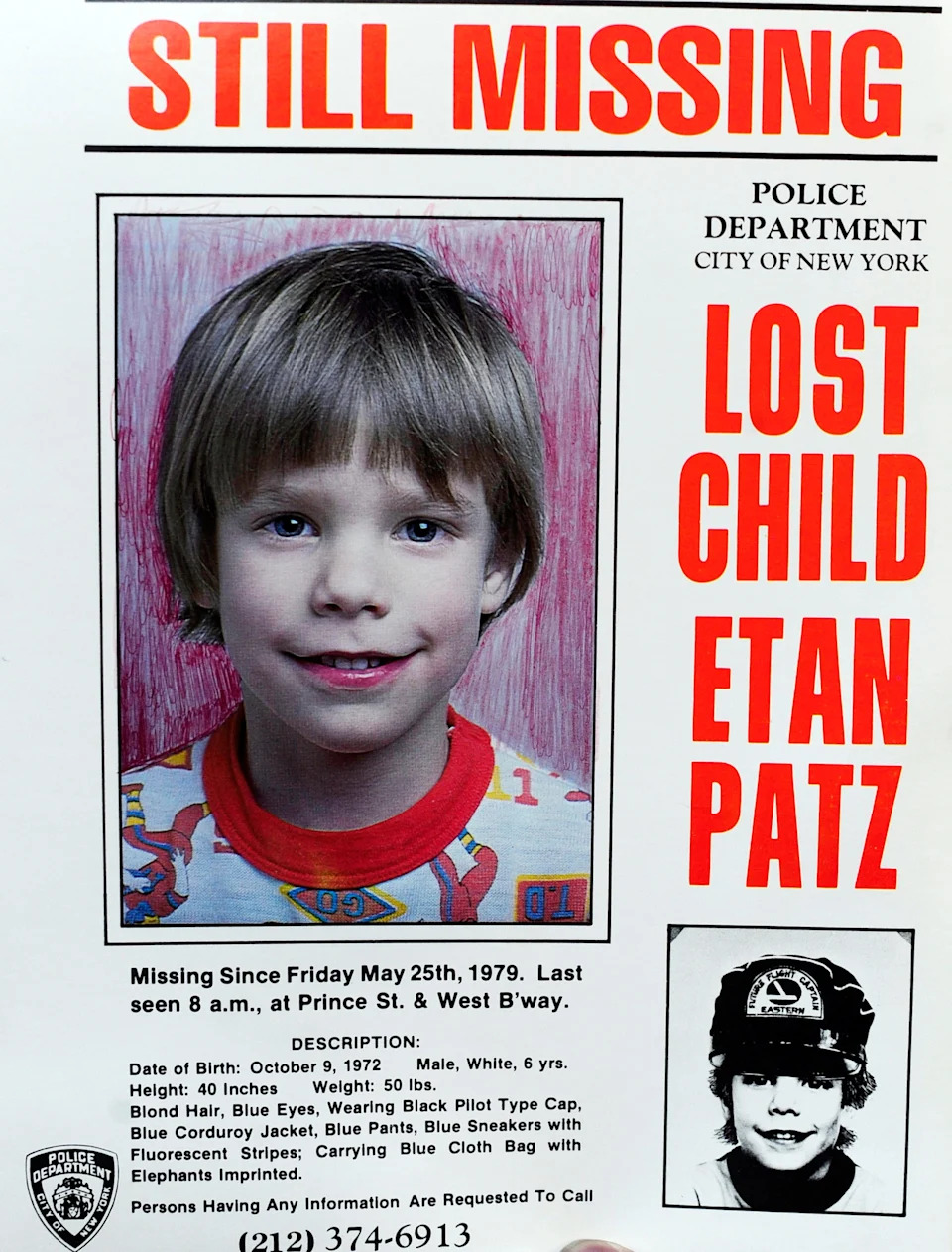
A copy photo of the original missing poster of Etan Patz is shown during a news conference near a New York City apartment building, where police and FBI agents searched a basement for clues in the boy’s 1979 disappearance in New York, April 19, 2012.
Hernandez, a former store clerk in Etan’s neighborhood, was named a suspect in 2012. Hernandez confessed to the crime, a confession his defense team argued was false and borne from mental illness. After his first murder trial ended in a hung jury, Hernandez was convicted at his second trial in 2017 and sentenced to 25 years to life in prison.
The New York-based 2nd U.S. Circuit Court of Appeals overturned the conviction last year. The court said jurors received instructions from the trial judge that could have improperly swayed them toward convicting him.
The appeals court said the judge didn’t correctly tell jurors how to consider the fact that Hernandez’s first confession came before he had been advised of his rights, including his right to an attorney and right to remain silent.
New York prosecutors said the appeals court was wrong to throw out the jury’s verdict “on such a slender reed.”

Pedro Hernandez appears with his lawyer, Harvey Fishbein, in Manhattan Criminal Court on Nov. 15, 2012. The case haunted New York City for more than three decades and altered the way the nation responds to missing children.
Retrying Hernandez could be difficult because of how long ago the crime occurred and because some of the witnesses who testified at his trial have died, prosecutors wrote in their Supreme Court appeal.
And Etan’s family, they said, would “have to endure yet another highly publicized recounting of the violence done to 6-year-old Etan after waiting decades for an answer to his disappearance.”
AMBER Alerts and pictures on milk cartons
Etan’s case, along with that of 6-year-old Adam Walsh, who went missing from a Hollywood, Florida, shopping mall in 1981 and whose partial remains were found two weeks later, are credited with drawing a wave of media attention to missing children and changing the way the FBI and other agencies across the country handle missing children cases.
Unlike with stolen cars or other objects that had a national database, there was no crime database for children, the NCMEC said. There was also no AMBER Alert system.
Etan was one of the first – and remains one of the most notorious – children featured as missing on the side of milk cartons. The containers in the 1980s often displayed posters with photos of missing children and a newly created hotline for sharing any information about their whereabouts. The “Milk Carton Kids” movement didn’t last long and didn’t lead to many success stories, but milk cartons are still linked to missing kids in the memories of many.
This article originally appeared on USA TODAY: Supreme Court upholds conviction in infamous Etan Patz NYC murder