
The Supreme Court on Monday reinstated the murder conviction of Pedro Hernandez in the 1979 killing of 6-year-old Etan Patz, siding with New York prosecutors in a closely watched case that has gripped the city for decades.
In a 6-3 decision, the justices reversed a federal appeals court ruling that had thrown out the conviction and potentially set the stage for a third trial.
The unsigned opinion marked a significant victory for Manhattan District Attorney Alvin Bragg, whose office had argued that the lower court improperly disregarded the outcome of Hernandez’s 2017 retrial. That conviction followed a lengthy, five-month proceeding featuring dozens of witnesses and extensive testimony about Hernandez’s confessions.
Bragg had criticized the appeals ruling as resting on “a slender reed,” a characterization the Supreme Court appeared to embrace in restoring the verdict. The Manhattan DA said in a press release Monday, “Today the Supreme Court agreed with the findings of multiple lower courts and upheld the trial conviction of Pedro Hernandez for the horrific murder of Etan Patz. [We] stand by this important conviction.”
At the center of the legal fight was a question about the limits of federal court review of state convictions. The Supreme Court said the U.S. Court of Appeals for the Second Circuit overstepped its authority under a 1996 federal law designed to restrict federal habeas review of state criminal cases.
“The Second Circuit exceeded its authority in holding that Hernandez is entitled to relief,” the Supreme Court wrote, emphasizing that federal courts are not free to second-guess state court judgments simply because they may disagree with the outcome.
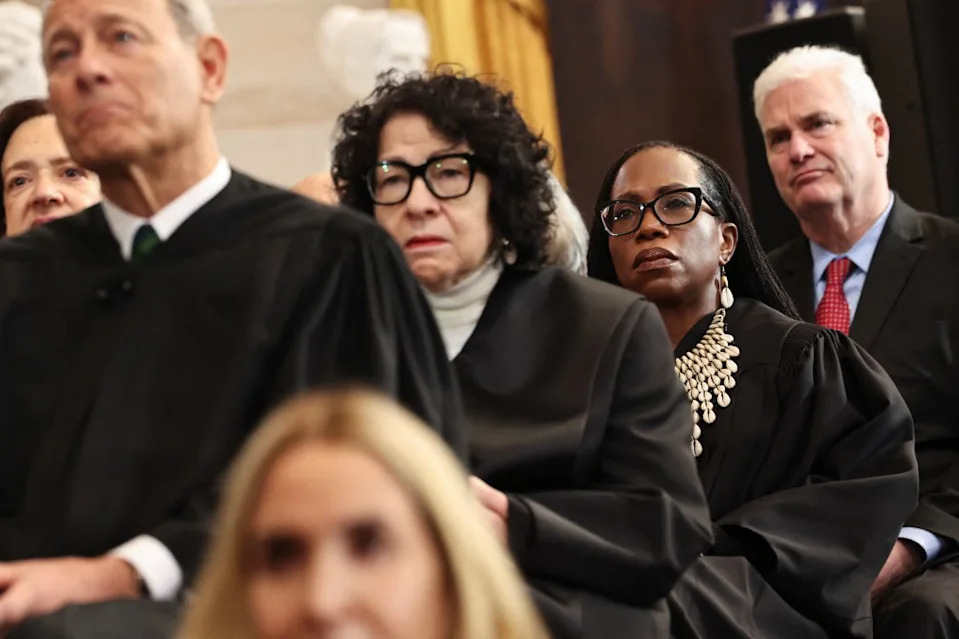
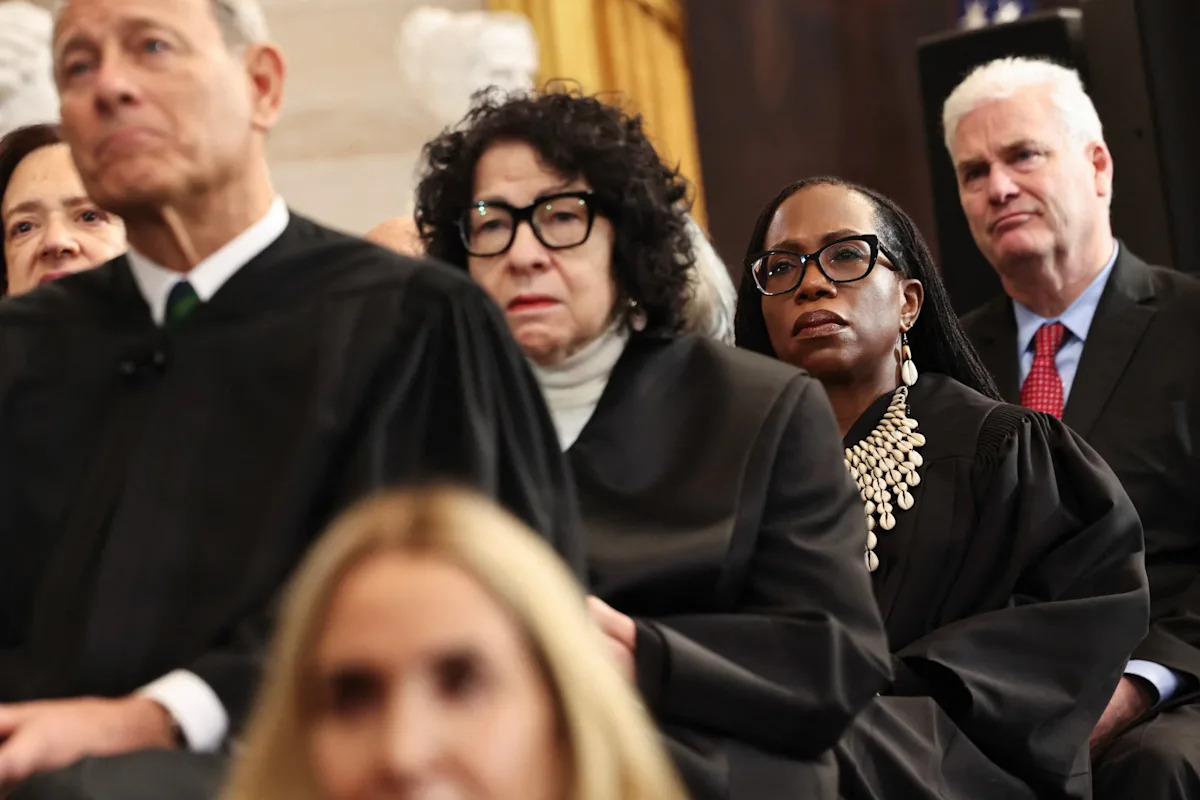
Front-Back: Supreme Court Justices John Roberts, Sonia Sotomayor and Ketanji Brown Jackson at the U.S. Capitol on January 20, 2025.
The Second Circuit had previously overturned Hernandez’s conviction based on how the trial judge responded to a jury question during deliberations. Jurors asked whether they were required to disregard Hernandez’s later confessions if they found his initial, pre-Miranda statement involuntary. The judge answered briefly that the jurors did not have to do so. The appellate panel found that the response was insufficient and potentially misleading, concluding it warranted vacating the verdict.
The Supreme Court, however, rejected that reasoning, effectively reinstating Hernandez’s sentence of 25 years to life in prison. The court’s three liberal justices, Elena Kagan, Sonia Sotomayor and Ketanji Brown Jackson, dissented, though they did not provide a written explanation for their position.
Who Is Pedro Hernandez?
Hernandez, now 64, confessed in 2012 to abducting and killing Patz, a case that became one of the most infamous missing-child investigations in U.S. history. His attorneys have long argued that the confession was unreliable, contending it was the product of mental illness and hours of questioning before police advised him of his rights.
Hernandez’s first trial ended in a mistrial in 2015, before a second jury convicted him in 2017. With Monday’s ruling, the Supreme Court has effectively ended years of legal uncertainty, allowing that conviction to stand and eliminating the need for a third trial.
Who Is Etan Kalil Patz?
Patz disappeared on May 25, 1979, while walking to his school bus stop in Lower Manhattan. His case drew national attention and helped lead to widespread changes in how missing children cases are handled, including the use of milk carton photos and the establishment of National Missing Children’s Day.

A photograph of Etan Patz hangs on an angel figurine, as part of a makeshift memorial in New York, May 28, 2012. (AP Photo/Mark Lennihan, File)
This is a breaking news article. Updates to follow.
Contact Newsweek editors on this story: Gabe Whisnant and Sam Wilson.
Related Articles