
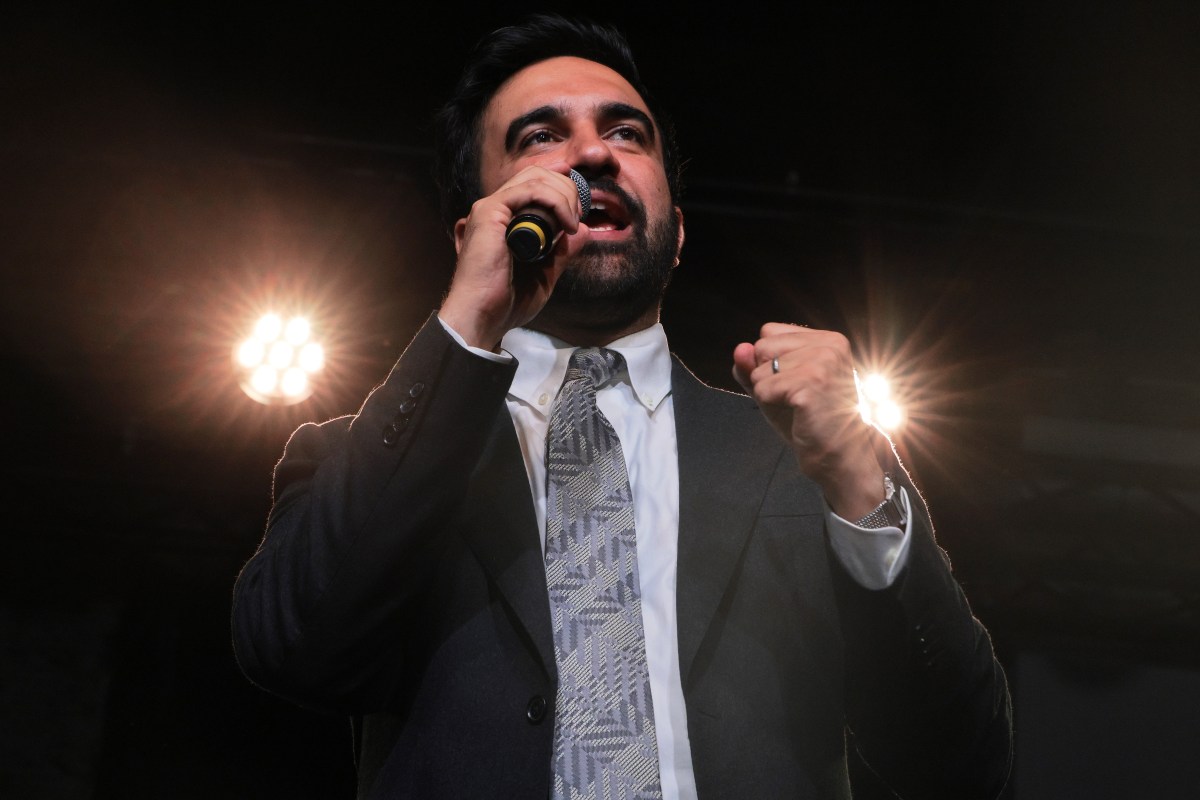
Mayor Zohran Mamdani has kept one of his biggest campaign promises only six months into his first year in office, as a New York City panel approved a rent freeze on Thursday for people living in nearly 1 million rent-stabilized apartments.
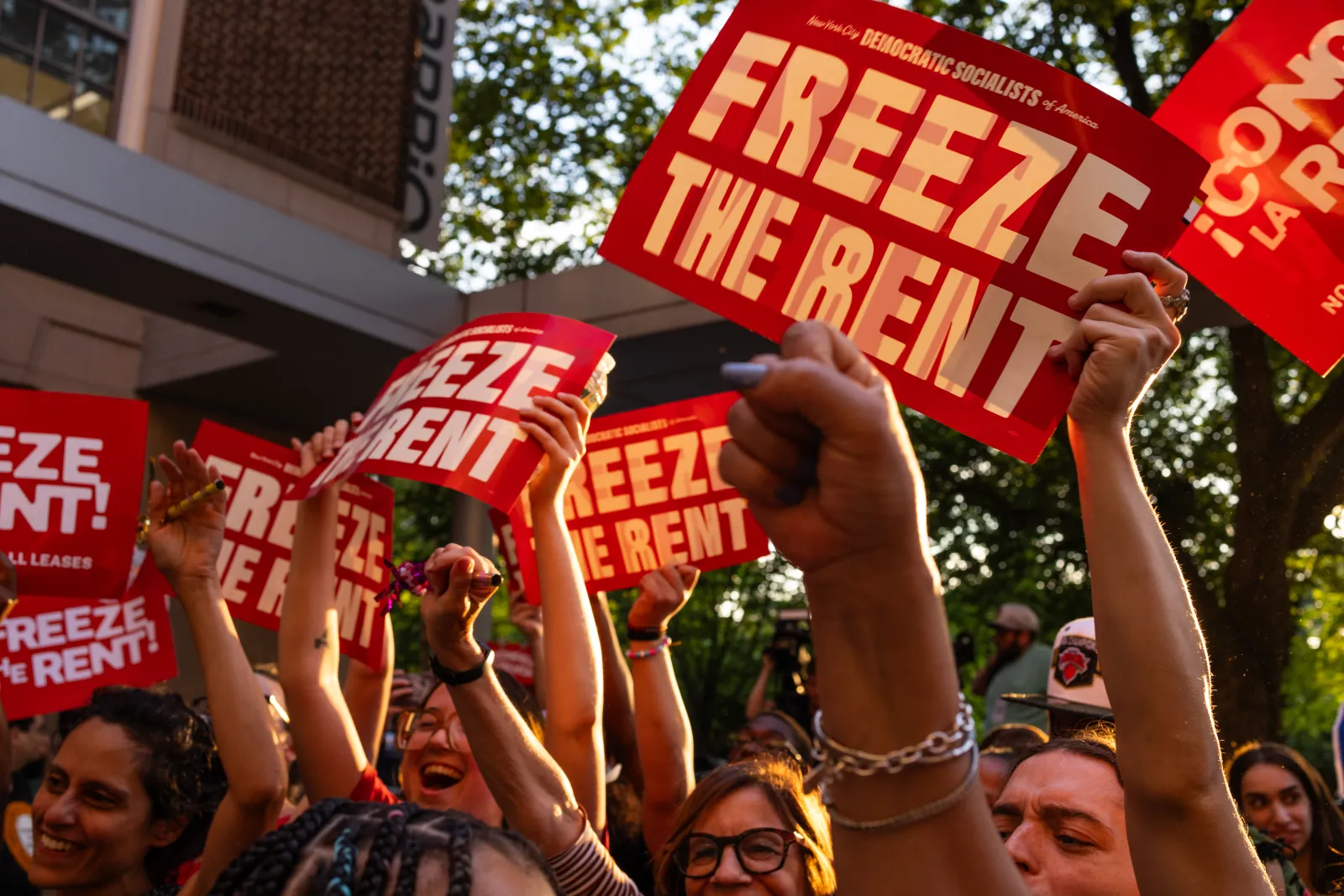
A crowd of New Yorkers, including many tenants, gathered at a museum in East Harlem called El Museo del Barrio and were heard cheering after the independent Rent Guidelines Board (RGB) announced the 7-to-1 vote with which the historic rent freeze was approved.
Rent-stabilized buildings across all five of the city’s boroughs will be eligible for the rent freeze between October 2026 and September 2027, from high-rise luxury apartments to more affordable subsidized units. The move effectively presses pause on rent increases on more than 40 percent of all apartments in New York City—a market plagued by high housing costs—and affects about 2 million tenants.
Read More on News
“This is the relief that working people across our city deserve,” Mamdani said in a statement after the motion passed.
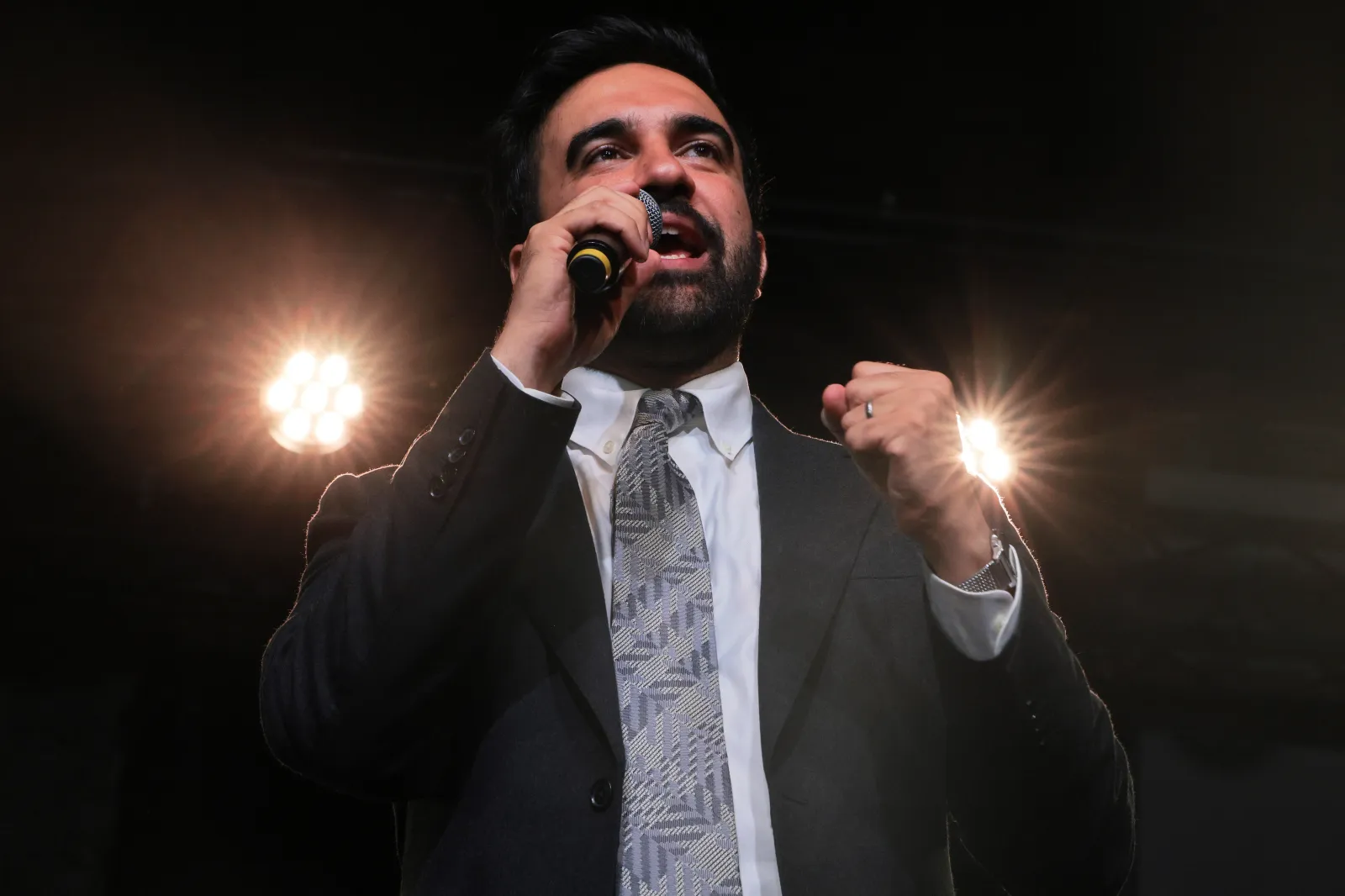
It is yet another major victory for the young democratic socialist, who won a critical political gamble earlier this week when all three of the progressive candidates he endorsed dominated their competitive House primaries in the city.
It remains to be seen whether the rent freeze will be enough to fix the city’s long-standing housing affordability issues, or whether the progressive primary victories are enough to dictate the direction of the Democratic Party. While some are hopeful about these early Mamdani wins, others are skeptical.
Not everyone has welcomed the panel’s decision with the same enthusiasm shown by New York City tenants. The announcement came hours after the public resignation of Christina Smyth, an RGB member who accused the board of “knowingly disregarding its own evidence” that landlords would face higher operating costs as a result of the rent freeze.
New York landlords have been among the most vocal opponents to the rent freeze, saying it would hurt affordability in the city.
“Our message is clear: this freeze will destroy the living conditions for hundreds of thousands of New Yorkers,” Kenny Burgos, the CEO of the New York Apartment Association, a trade association that represents landlords of rent-stabilized units in the city, said in a statement shared with Newsweek.
“This was supported with study after study, including RGB data finding rent needed to increase just to run a building. NYCHA, a shelter, a co-op, or a rent stabilized building cannot exist without funding yet here we are, left to watch housing stability and quality malaise, with no plan to save it. I urge policymakers to act expeditiously before this bubble bursts,” he added.
Manhattan broker Jason Haber, the president of the New York Residential Agent Continuum, warned on social media that other tenants would “pay for this with skyrocketing rents.” He wrote on X, “In the aggregate, NYC became less affordable as a result of the RGB vote tonight.”
Lower supply—as rent-stabilized apartments “will come offline due to functional convalescence”—will lead to higher prices, he said. Haber also referenced the Housing Stability and Tenant Protection Act of 2019, a New York state statute, saying: “The HSTPA restrictions make it unfeasible to renovate and re-rent them. A rent freeze exacerbates this cycle.”
How Much Could New Yorkers Save?
When Mamdani first promised a rent-freeze on rent-stabilized apartments last year, Realtor.com economist Jiayi Xu estimated that tenants in a typical rent-stabilized unit would save $540 in the first year, based on a 2023 New York City Housing and Vacancy Survey that said the median rent for rent-stabilized units was $1,500.
“Over the full four-year mayoral term, a tenant paying $1,500 per month could save approximately $5,564 compared with a scenario in which rent increased at a compounded annual rate of 3 percent,” she said.
A recent analysis from the advocacy group Community Service Society of New York found that rent-stabilized households could cumulatively save between $2.44 billion and $6.84 billion from the last quarter of 2026 through September 2030.
These are significant savings for tenants in a city where the median asking rent in the first quarter of the year was one of the highest in the nation at $3,616, up $211 or 6.2 percent from a year earlier, according to Realtor.com data.
 Tackling New York’s Wider Housing Affordability Crisis
Still, some are urging the mayor to look at the bigger picture.
New York City Assemblymember Tony Simone—who represents the district covering Chelsea, Hell’s Kitchen, midtown and part of the Lincoln Center area in Manhattan—praised Mamdani’s rent freeze but urged the administration to do more to solve the housing affordability crisis afflicting New Yorkers.
“I commend Mayor Mamdani on his new rent freeze. But, this is just a band-aid,” he wrote on X on Thursday.
“To truly address the housing crisis, we need to tackle its root cause: the housing shortage. I am preparing a package of legislation with my colleagues to build units New Yorkers can afford,” he added.
Mamdani is aware that more is needed to fix the problem of how unaffordable housing has become in the city, both for tenants and homebuyers. His office has proposed several changes to boost the inventory of affordable homes in New York, unveiling in May the mayor’s “Block by Block” plan.
Under the plan, these are the key ways Mamdani intends to make New York City more affordable:
Building 200,000 affordable homes over the next decadePreserving another 200,000 existing affordable unitsConverting commercial buildings into residential housingExpanding accessory dwelling unitsExpanding code enforcement against negligent landlordsExpanding affordable co-op programs for working- and middle-class residentsEstablishing a $40-per-hour wage standard on city-financed projectsInvesting $5.6 billion in the New York City Housing Authority (NYCHA) and expanding its authority to develop new housing and generate additional revenue.
In a previous interview with Newsweek, New Yorker Travis Terry, the CEO and founder of the consulting firm Immortal Strategies, said there was now more desire in the city to create more housing, and that Mamdani was answering these calls.
“There’s a lot of work to do here, and construction is not easy. It’s very expensive. But we’re heading in the right direction around at least the desire to build more housing,” he said. “We’re seeing a lot of new housing starts, and the creation of more housing is critical to our future.”
If Mamdani achieves all his housing goals, including ticking off the initiatives included in his “Block by Block” plan, there is a chance he may be able to make a dent in the current affordability crisis. The coming years will tell whether the mayor’s early success will translate into this ultimate victory.
Contact Newsweek editors on this story: Ben Kelly and Shakeema Edwards.