
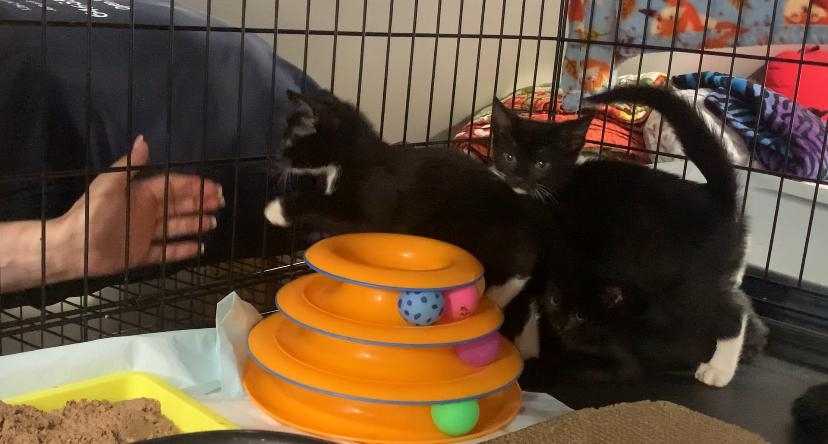
On the streets of Queens, Amrita Sahadeo fosters cats both feral and friendly, rescuing them from areas such as Jamaica, Bayside and anywhere she is called. Her commitment to these furry felines is huge, helping 25 cats a day, and it all started in the attic of her home.
As a survivor of a car accident in 2023 and a survivor of cervical cancer, she fell in love with taking care of strays during a time of depression. Sahadeo would watch pregnant cats, kittens and ill cats that would pass by her residence. Every day, she would leave food for them, and she was inspired to take care of them and treat them.
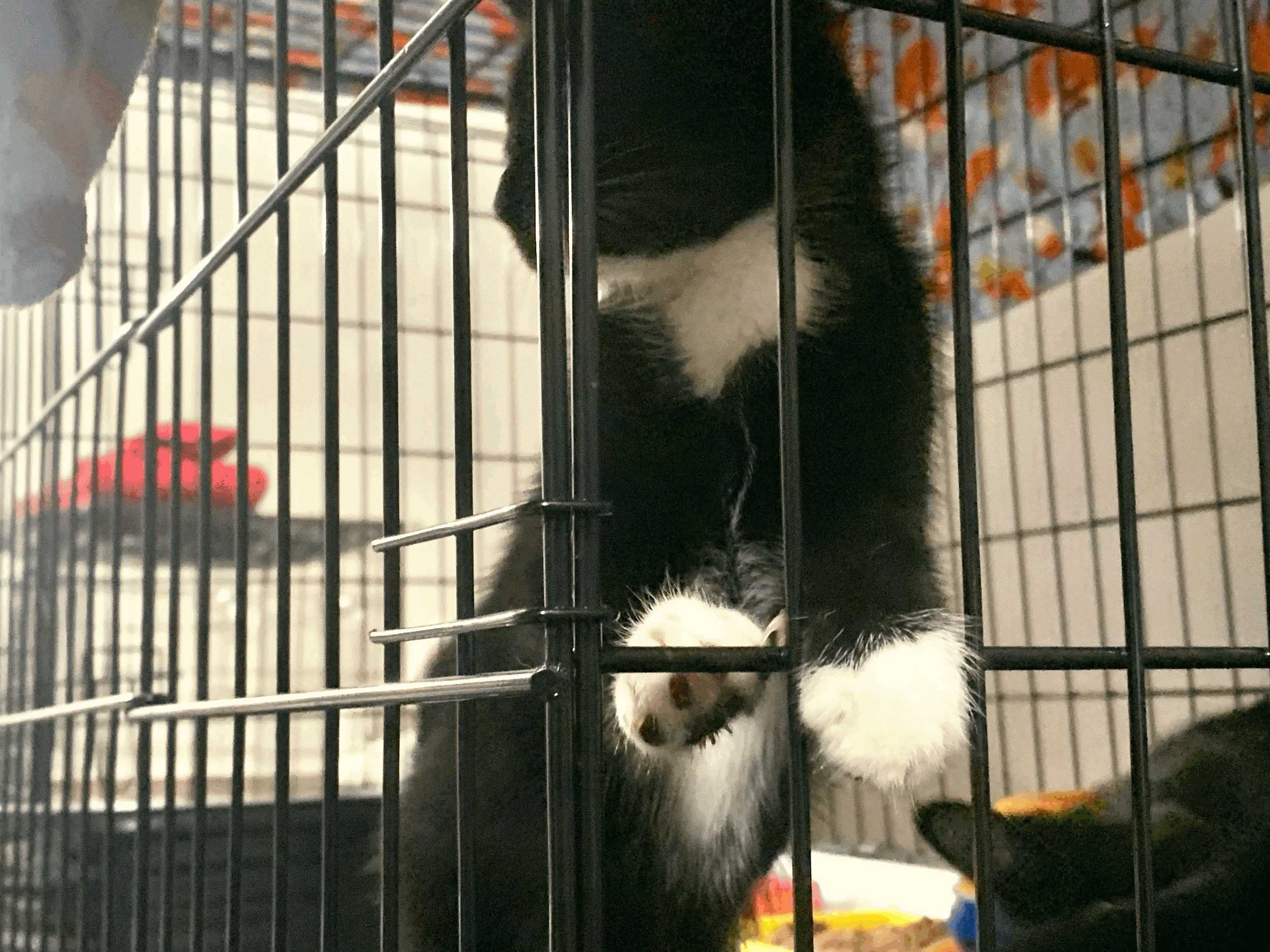 Photo by Melanie Gonzalez
“If I can go fight cancer, I can fight for them, she said.”
In New York City, according to nonprofits, around 500,000 to 1 million cats are not spayed or neutered, which has led to a growth in the cat population. This idea sounds super cute, however, the reality is that three out of four kittens born won’t survive until adulthood due to infections, ringworm or incoming cars. All these factors have cost the lives of many kittens, so it’s important to spay and neuter cats in order to prevent this.
Knowing this Sahadeo wanted to help. “When you see a sick cat, and you help it get better, that’s what motivates me.”
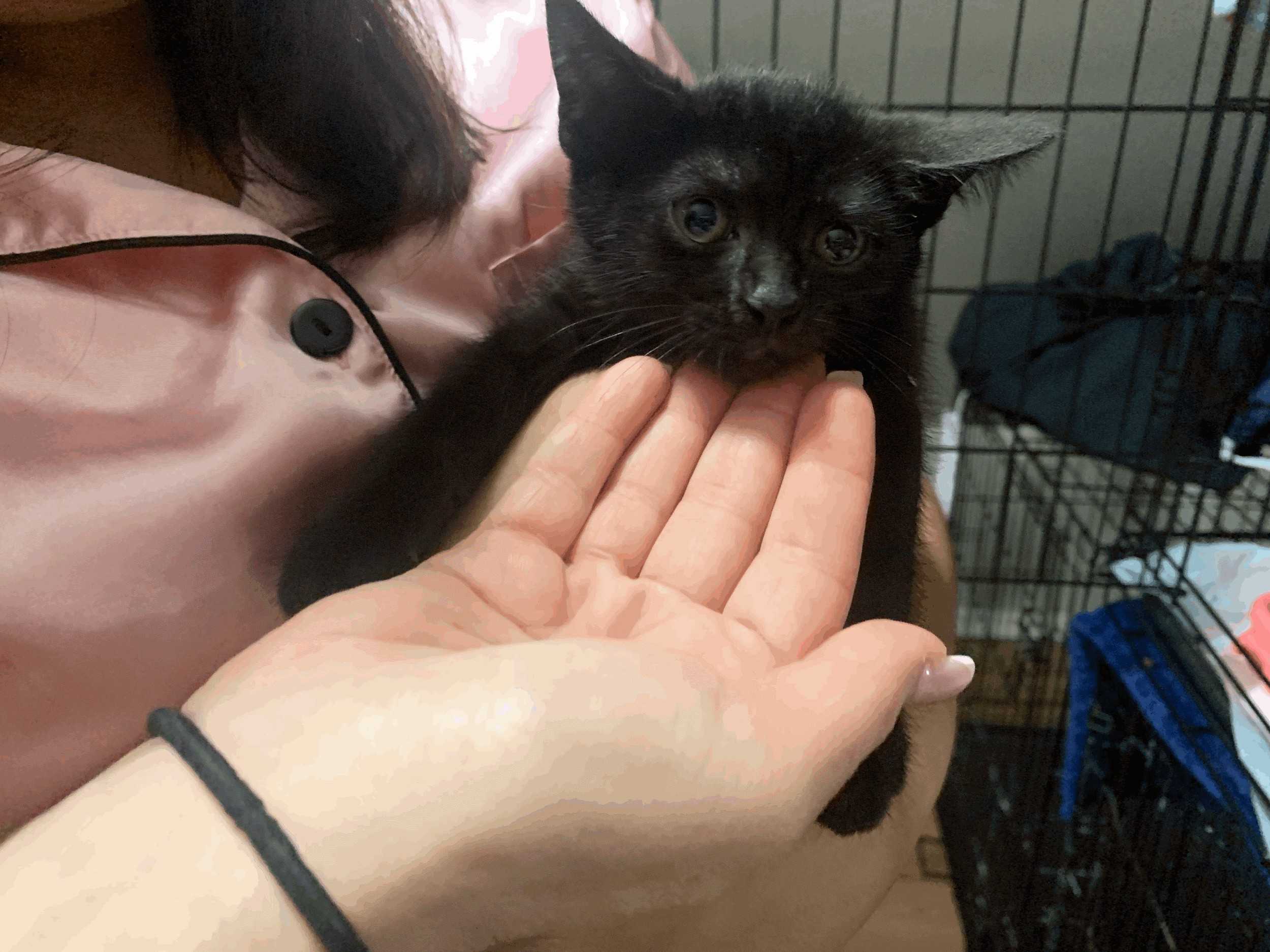 Photo by Melanie Gonzalez
Sadly, in many cases, owners mistreat and abuse their pets. Sahadeo has found conditions such as a cat with a tail chopped off, kicked and many other abusive cases.
She dedicates her time to trapping fosters and strays, fostering them to health and, with the help of the Animal Care Centers of NYC, a non-profit organization that works to provide food, shelter and medical care, treats and other supplies for her fosters, she’s able to take care of so many cats. She calculates that she has helped 100 cats in a year. There are days where she would wake up at 5 in the morning and work until 6:30 p.m., and days when she’s called late at night about untagged cats and would go, place a drop trap, wait in her car and trap a cat. No matter the distance, her passion for these cats has no limits. “Every sickness that we get, cats get too.”
During the winter, Sahadeo has thought of it all, buying insulation, straw, self-heating blankets and even a whole shed to hold cats during the winter. She also monitors their behavior and any new cat that comes by her feeding station whose ear isn’t clipped, which is a sign they haven’t been treated, through cameras. When she notices this, she’ll put her drop trap out in order to trap the cat, treat it and get it fixed.
 The shed to hold the cats in the winter. Photo by Melanie Gonzalez
One of the best methods she uses to get her cats to get used to her is with a very common house item.
“I use a backscratcher and put a wet cat treat and slowly they will approach me,” Sahadeo said. “When approaching a cat, you don’t want to move your hands too much, you want to take your hand out and let them smell you and approach you at their own time.”
Even with medications, Sahadeo will create a mix of wet cat food, the medication and baby food. She does this because the medicine is better and by using chicken-flavored baby food, the cats can take their vitamins without even noticing it.
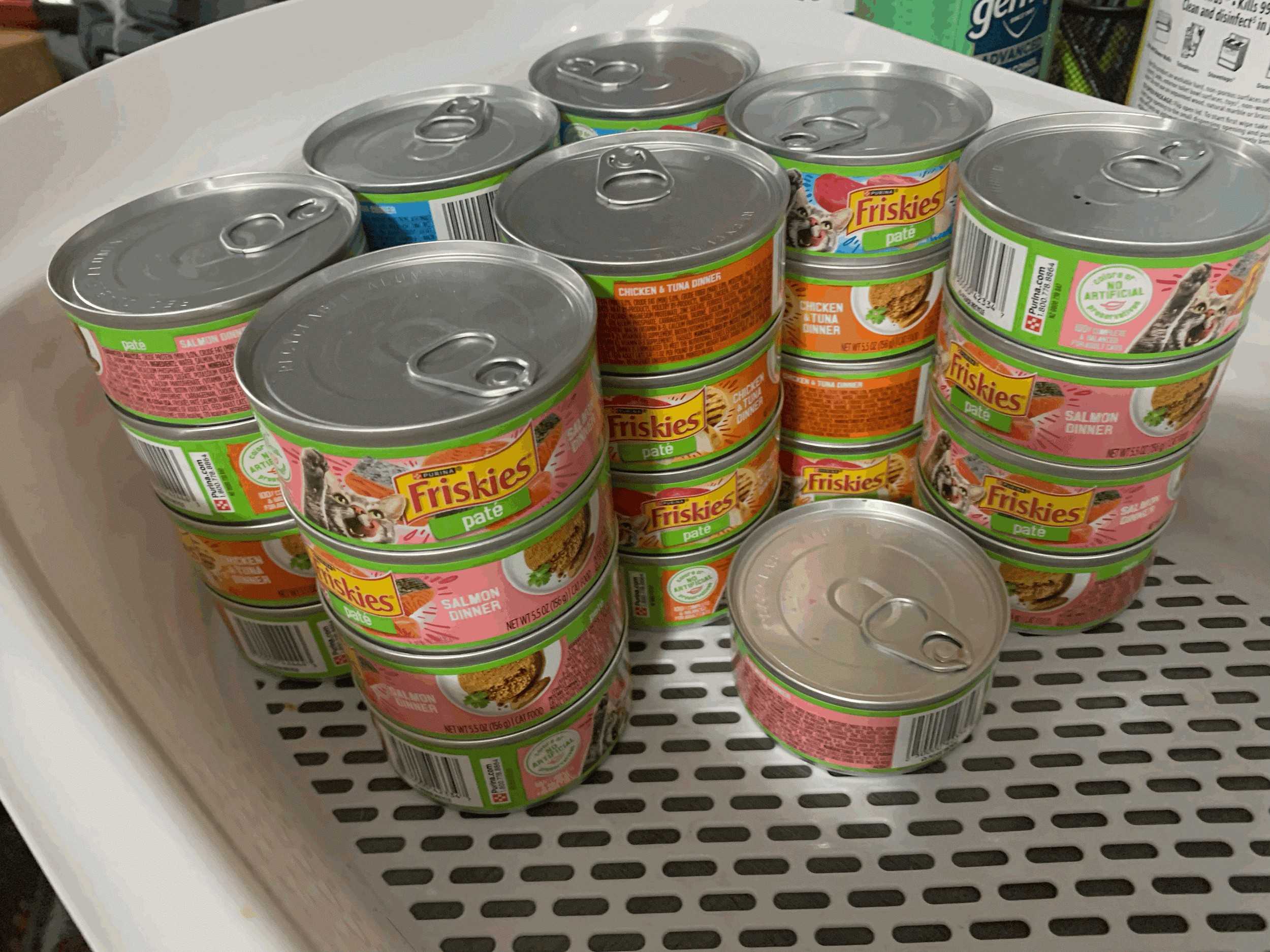 The cat food. Photo by Melanie Gonzalez
Sahadeo works hard to keep track of each of her kitties, each a passion project that she invests love, time and care into. She wishes them all a good home and is inspired by the transformations she does. The stories she has of them all have a special place in her heart. She admits, “I don’t want any cash. The best way to help me is by donating cat food and supplies.” To restore a life is the best payment for her.