
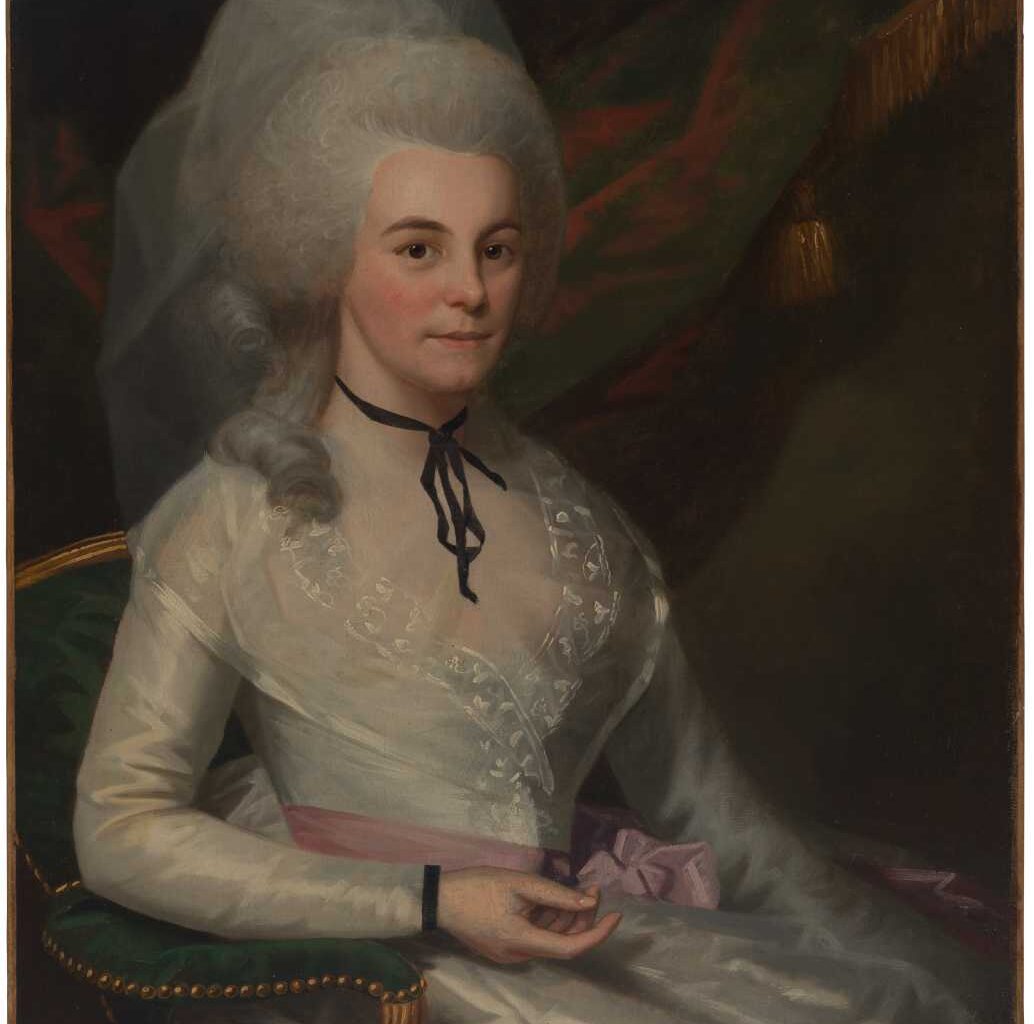
It’s the line in the Hamilton finale, “Who Lives Who Dies Who Tells Your Story,” that tends to choke the audience up, as Eliza Schuyler Hamilton tells her late husband what she’s “proudest of.”
“I established the first private orphanage in New York City,” Eliza says. “I help raise hundreds of children, I get to see them growing up.”
The first private orphanage in New York City, and Eliza’s legacy, lives on today in Graham Windham, known as Graham since 2024. The Manhattan-based nonprofit that supports children, young adults and families through a variety of services, including mental health intervention, youth coaching and community centers.
They also advocate for legislation that benefits the families they serve and focus on combating racial injustice.
This year, Graham is celebrating 220 years of service. It originated in 1806 as the Orphan Asylum Society (OAS), and was founded by Eliza Schulyer Hamilton, Sarah Hoffman and mother-daughter team Isabella Graham and Joanna Bethune.
Today, the organization continues to be led by inspirational women, including President and CEO Kym Watson, who started working at Graham in 2010 and began her current role in 2021.
She emphasized that, although she is the CEO of Graham, her work is centered on what her team and families need.
“We partner with communities around helping families and obviously young people and children achieve their dreams and have a thriving life,” Watson explained.
Over the past two centuries, OAS — which fed, clothed and educated children at their greatest time of need — developed into the Graham of today. The organization was renamed Graham Home for Children in honor of its founder in 1950, and it became the first child welfare service to care for children regardless of their religion.
In 1977, Graham merged with Windham Children’s Services, creating the nonprofit that currently exists.
Watson added that Graham is not solely a child welfare organization, instead centering the community.
“The reality is most of our work is community-facing,” she said. Such work includes their afterschool and community school programs in the Bronx and Harlem, a mental health clinic,
The family support program and SLAM, a youth coaching program.
Graham’s attitude towards their offerings is to listen and respond to what families need.
“We have a practice model and philosophy called Helpful Help, which is providing the help that folks identify that they need, as opposed to the help that we diagnose that they need,” Watson highlighted.
Eliza Hamilton as a trailblazer for women’s leadership
Graham also prioritizes innovation and evolution in their service, a continuous thread throughout its long history.
“We were not content with the status quo, but have always been willing and courageous to make changes that needed to be made, when even others in our sector were not inclined to do so,” Watson said.
She noted, “We’re an organization that’s evolving to be far more community integrated and far more community involved because that’s what the times require.”
Watson attributes this spirit of evolution and Graham’s longevity in the community to the organization’s founders. She especially emphasized Hamilton’s role as a trailblazer for female leadership.
She explained that during Graham’s inaugural years, it was entirely new for women to start their own organization and fund it through philanthropic work. This bold step for the time period set the tone for Graham’s future mission.
“What it took to start that organization, the spirit of innovation, the spirit of curiosity, really wanting to understand what the problem is, how to help and support the ones that they were helping required them to do something that continues in Graham today,” Watson said.
In addition to being a female-founded organization, Graham also has an enduring focus on uplifting families of all backgrounds in New York City.
When it opened, Graham assisted Welsh and Scottish immigrants, an unpopular move at the time. They also began serving all children, regardless of their faith background.
During the same period that Graham was established, Hamilton was also involved in the African Free School, an organization her husband founded before his death that provided education to Black children.
Watson shared that today, Graham serves mainly Black and brown communities, and that there has been “no change in the level of commitment or interest in making sure children have a thriving future.”
When asked about Graham’s legacy in the coming decades, Watson explained that she hopes Graham’s initial spirit of innovation and service continues.
“I think 30 years from now I would hope that legacy continues, that we are ever evolving, ever being and becoming whatever it is that our neighbors need us to be, what our communities need us to be, and that we’re giving relevant and helpful help in whatever capacity that we’re needed,” she said.