
Queens
Martyna Majok
Manhattan Theatre Club at New York City Center
October 15–November 30, 2025
New York
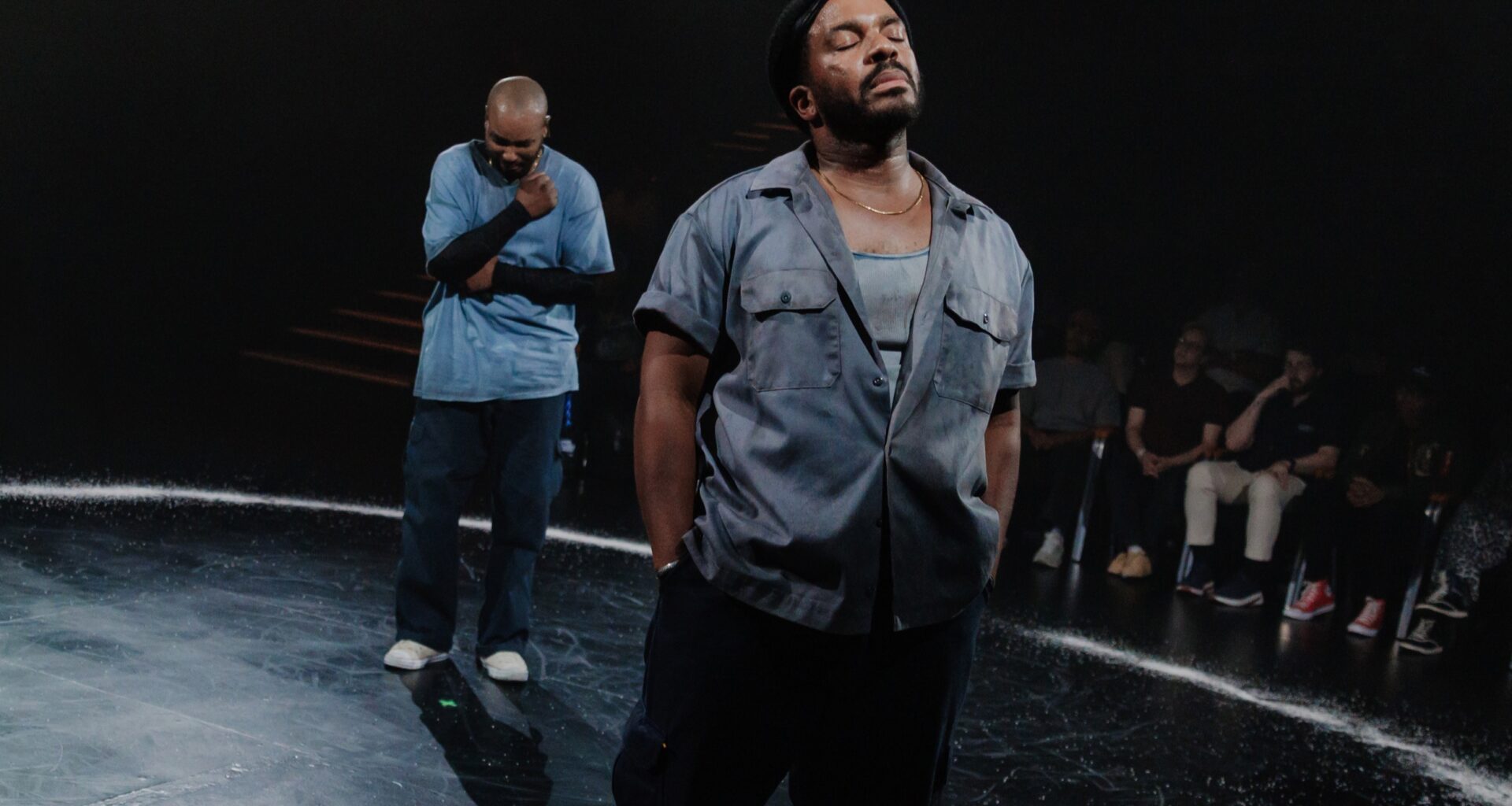
The Brothers Size
Tarell Alvin McCraney
The Shed, in co-production with Geffen Playhouse
August 30–September 28, 2025
New York
In Colm Summers’s words, “The history of American theater is written in labor plays.”
As the Artistic Director of Working Theater, a New York-based company completely committed to creating theater specifically “for, about, and with working people,” Summers would be the one to know. Founded in 1985, Working Theater has led the way in the development of sliding-scale ticket initiatives and mobile performance units, all while championing the work of artists who may lack or have lacked access to theater.
The plays that Working Theater produce and commission take an expansive look at the “labor play” and include stories of labor movements and working-class people. Summers noted that there’s a popular assumption that working-class art and narratives lack complexity, but in reality, it is work that is often the most boundary-pushing, avant-garde, and critically acclaimed. These plays are dotted throughout the history of theater, from Arthur Miller’s Death of a Salesman to Dominique Morisseau’s Skeleton Crew.
This fall offers two working-class plays, a revival of Tarell Alvin McCraney’s 2003 work, The Brothers Size, which ran through September 28 at The Shed, and a revival production of Martyna Majok’s Queens, currently running at New York City Center. Both break free of classical play structures and highlight underserved and infrequently represented communities.
The Brothers Size follows Ogun and his younger brother Oshoosi, as they navigate Oshoosi’s reentry into the working world upon his release from incarceration. Ogun, ever-practical, encourages his brother to join him working at his auto-shop, but vibrant, haunted Oshoosi seeks something more. Lyrical, rhythmic, and almost dream-like, McCraney’s work is written in the style of Yoruba story-theater, with characters who speak their stage directions. This gives a sort of haziness to the play that conjures the bayou, with a thick humidity seeping into the space despite The Shed’s frigid AC. It draws the audience in; per McCraney, “It’s hard not to be a part of the storytelling.” The Brothers Size is about siblings, yes, but also about community, about empathy, and seeing the “deities in people.”
Like McCraney, Majok says she “sees the epic in stories of working-class people.” A memory play weaving together multiple timelines, Queens offers glimpses into the lives of two generations of immigrant women living in an illegal basement apartment. Once again, there’s an almost musical quality to it, and Majok described this structure as choosing “the core of a song” and then “arranging the harmonies” around it.
She also shared that the play blossomed from “a mentality of scarcity, of feeling unwelcome in the country you live in, moving through life with a sense of anxious vigilance over basic human safety.” Queens is not a balm for the struggles immigrant women continue to experience in America, but rather a necessary way to to honor them.