
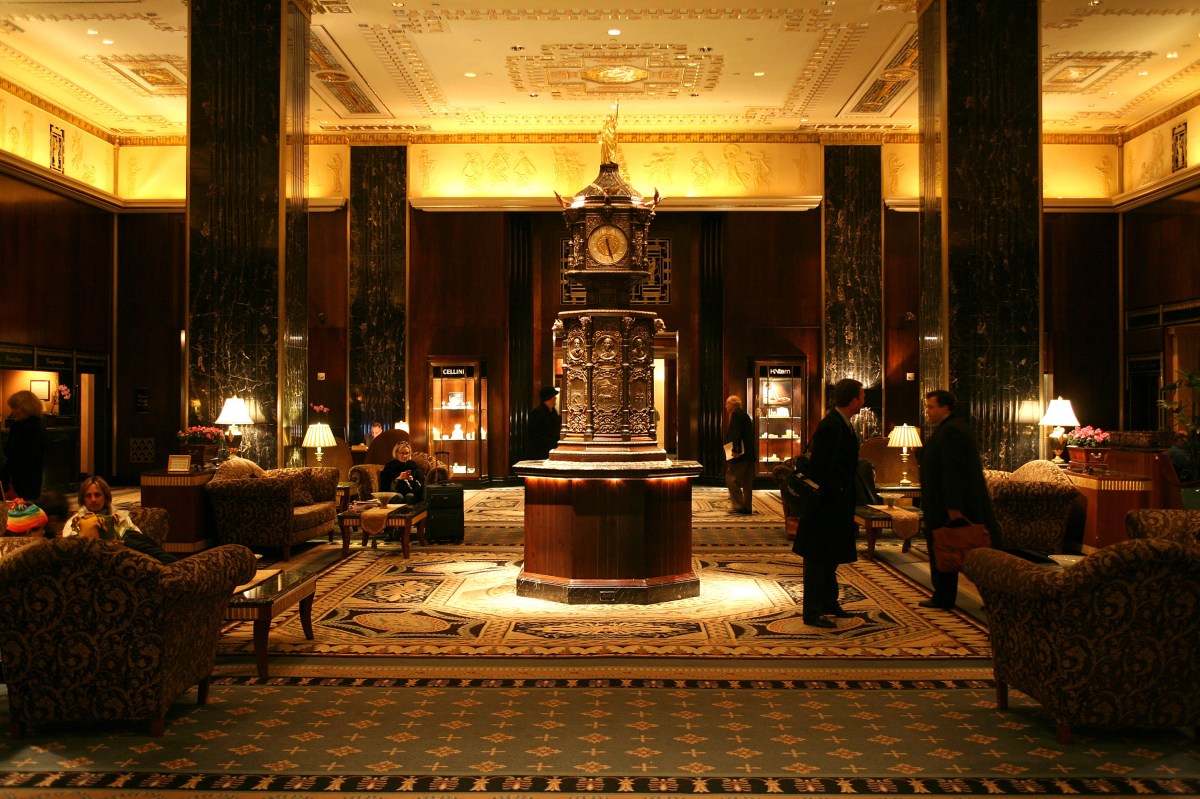
Beneath one of New York City’s most famous hotels lies a hidden piece of history—an underground platform known as Track 61.
Located beneath the Waldorf Astoria, the “rail siding” has long been associated with presidents, military leaders, and other distinguished guests who arrived discreetly at the landmark hotel.
Evidence of the secret station dates back to the planning of the current Waldorf Astoria building in the late 1920s, before its opening in 1931. A September 1929 New York Times article cited by Columbia University, titled “New Waldorf Gets Own Rail Siding,” reported that the hotel would have “a private railway siding underneath the building.” The article said guests traveling in private rail cars could have them routed directly to the hotel, where a special elevator would take them “directly to their suites or to the lobby.”
Read More on Travel
The fascination with the hidden platform has grown alongside renewed interest in the Waldorf Astoria itself. The hotel reopened last year following a major restoration led by Skidmore, Owings & Merrill (SOM), the architectural firm behind the current world’s tallest building—the Burj Khalifa in Dubai—in collaboration with interior designer Pierre-Yves Rochon.
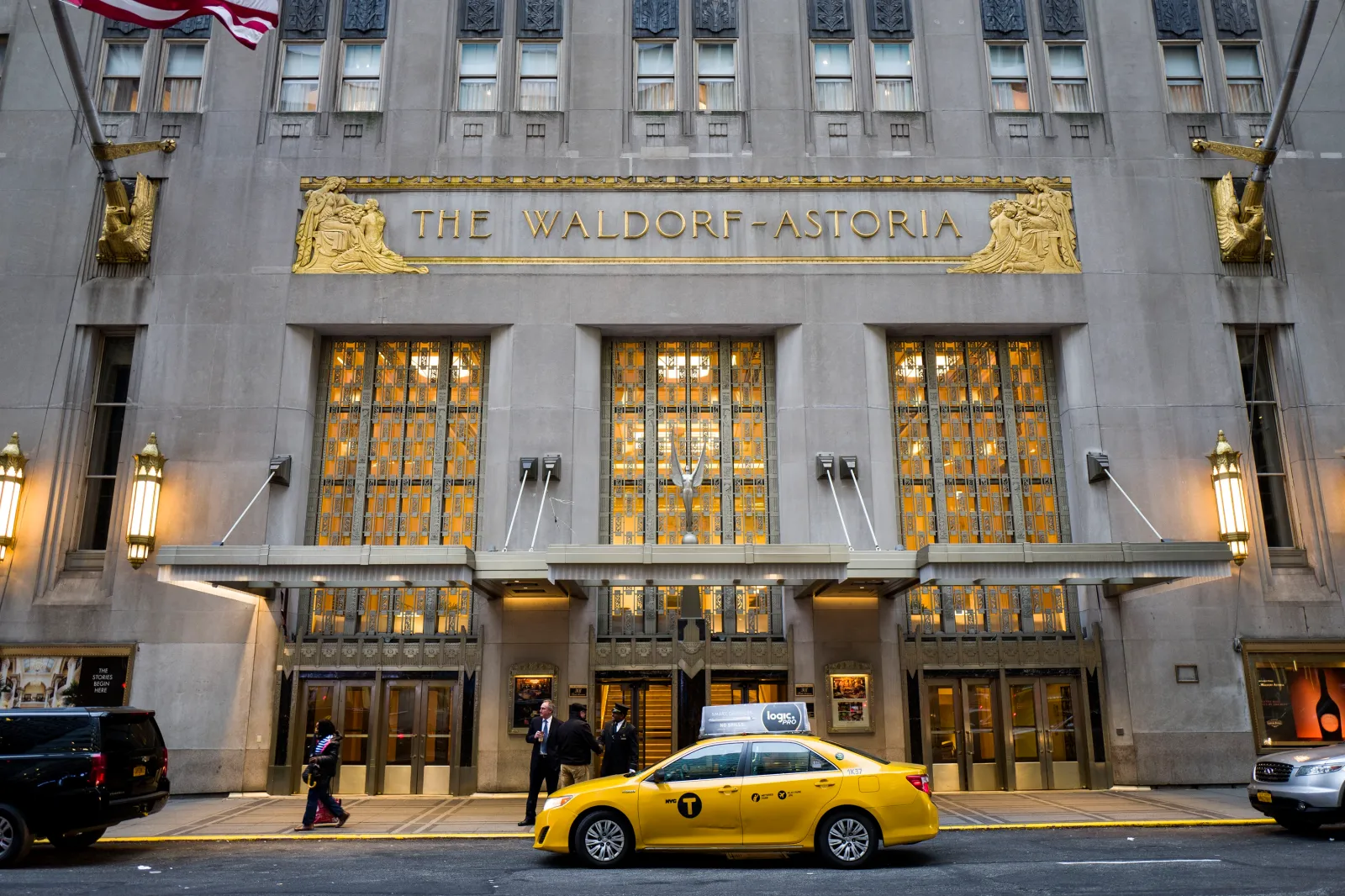
The reopening comes amid a broader revival of historic buildings across the United States.
Nearly half of America’s 125 million buildings are at least 50 years old, according to the American Institute of Architects (AIA). Recent years have seen a surge in adaptive reuse projects, with nearly 25,000 apartments created from converted buildings nationwide in 2024 alone—a 50 percent increase compared to the previous year, according to a report by RentCafe.
 A Hotel Built Above the Rails
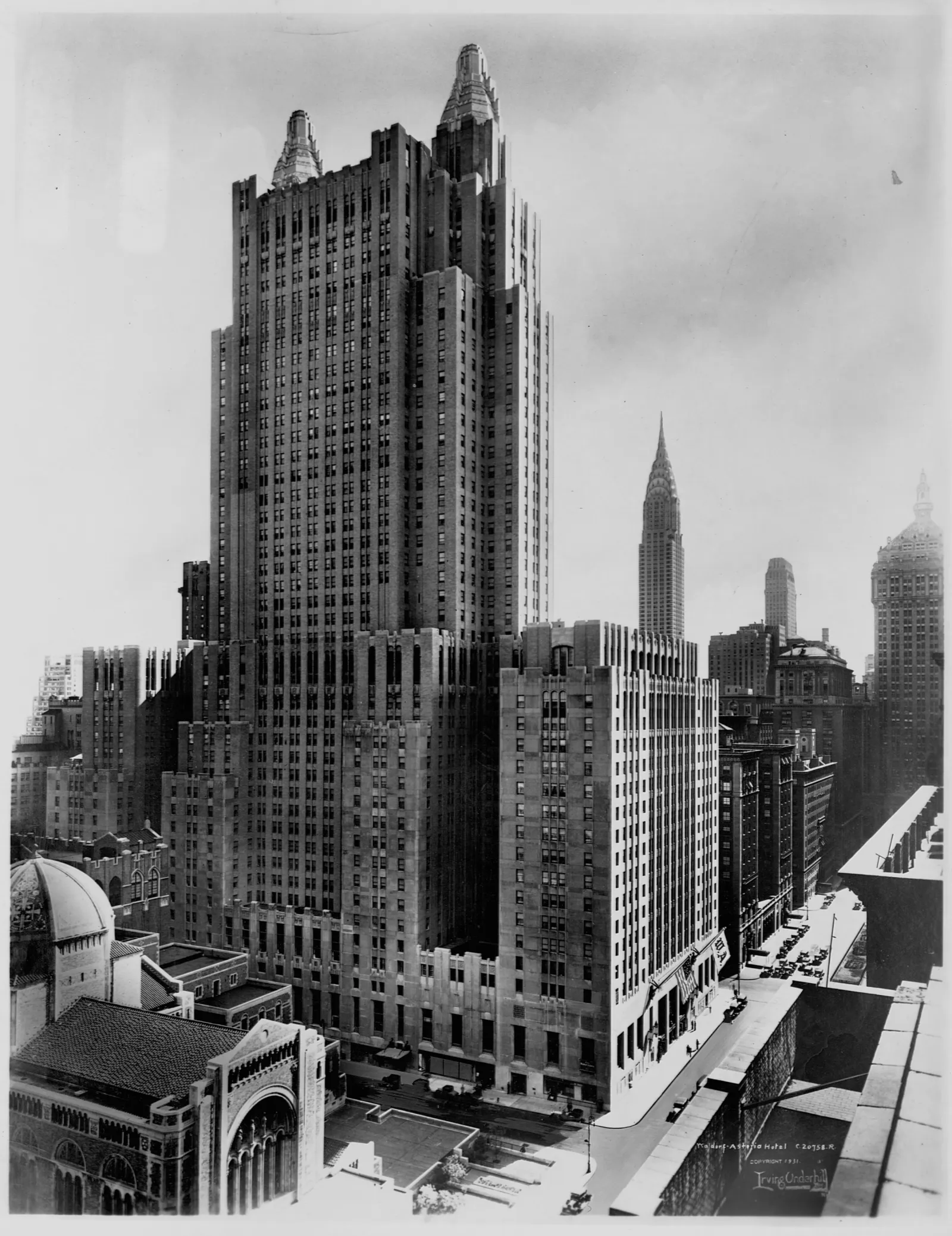
The underground siding was possible because the New York Central Railroad tracks passed directly beneath the site. According to the aforementioned 1929 Times report, the arrangement stemmed from the hotel’s acquisition of the property’s air rights above the railway.
The WPA New York City Guide later reportedly noted that “80 percent of the building is over the tracks of the New York Central, and private railroad cars may be shunted to a special entrance.”
Railway historian William D. Middleton also wrote about the unusual feature in his book Grand Central: The World’s Greatest Railway Terminal. He said the hotel’s location above the tracks gave it “the unique distinction of its own railroad side track in the basement, so to speak.” Officially designated Track 61, the siding was connected to the hotel by a freight elevator and was occasionally used by prominent visitors arriving in private rail cars, according to Middleton.
 Distinguished Arrivals Below Ground
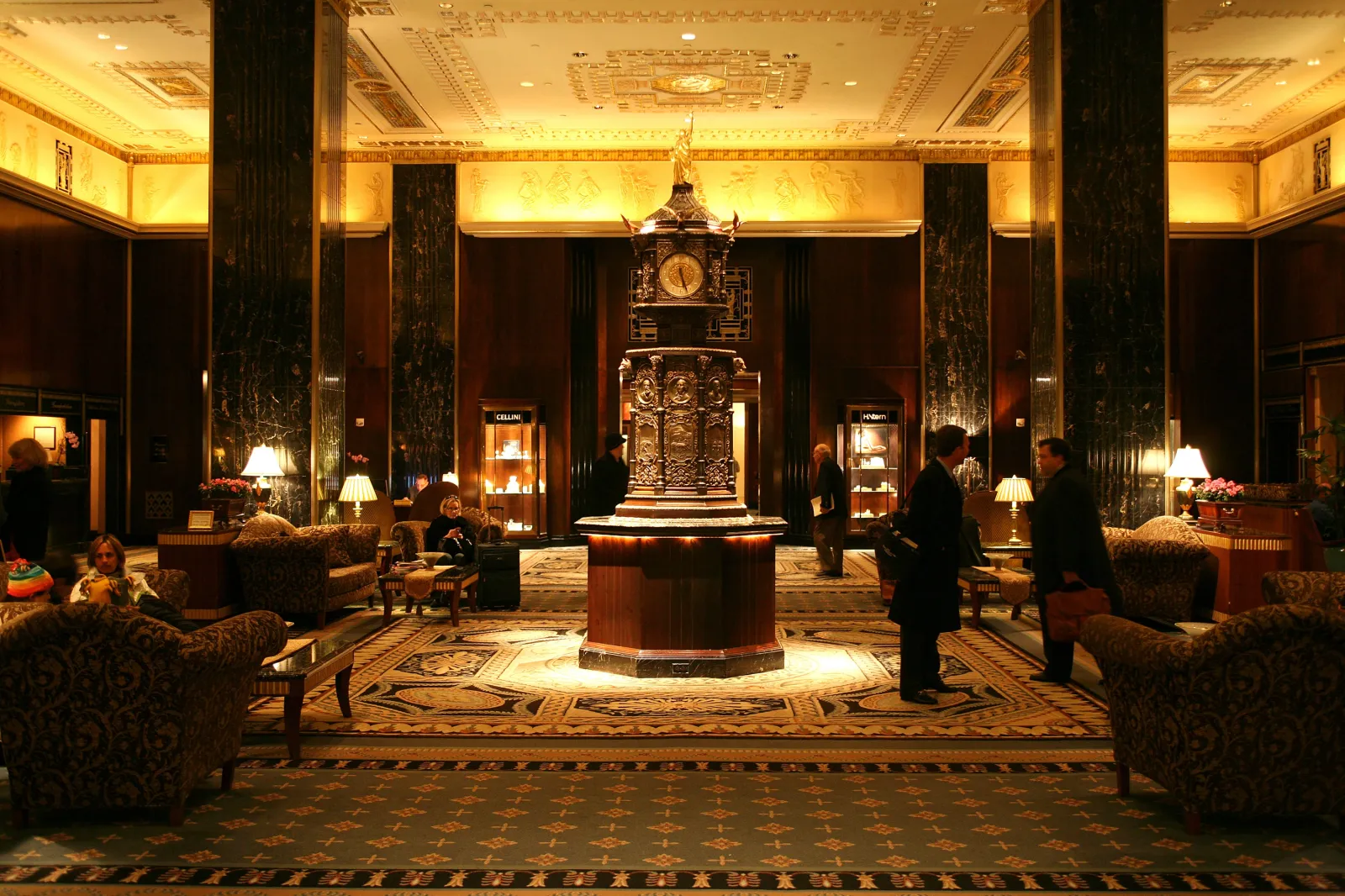
Among the earliest documented users of the siding was General John J. Pershing. Middleton wrote that Pershing became the first person to use it during a visit to New York in 1938.
Press accounts also described the extraordinary arrangements made for the aging military leader, who had recently recovered from a heart attack. According to an April 1938 Times report cited by Columbia University, Pershing’s private rail car was “shunted to a ramp under the Hotel Waldorf-Astoria that had never been used before.”
The general reportedly remained aboard while doctors examined him before he emerged surrounded by detectives. After photographers gathered, he entered a freight elevator and was escorted into the hotel.
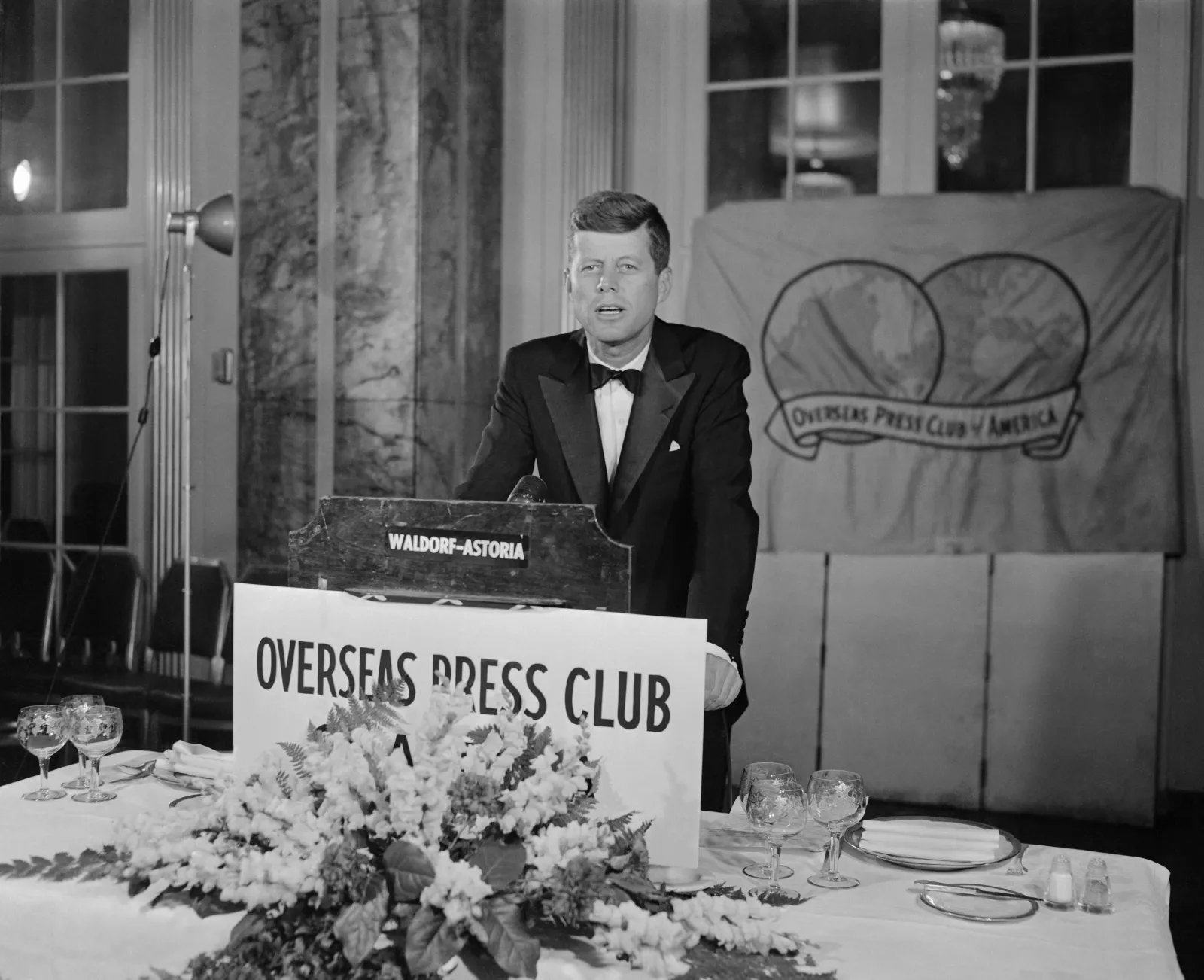
Middleton also noted that Franklin D. Roosevelt used the siding during his 1944 presidential campaign after delivering a foreign policy address at the Waldorf.
However, other accounts have claimed that Roosevelt used the facility more regularly. In his book Grand Central Terminal: Railroads, Engineering, and Architecture in New York City, Kurt C. Schlichting suggested that when Roosevelt stayed at the hotel, his train would stop beneath the building, allowing aides to transport him by elevator directly to his room away from public view.
The platform was not used exclusively by presidents. Middleton wrote that it hosted a variety of events, including the debut of a new diesel locomotive in 1947 and an underground party for pop artist Andy Warhol in 1965.
Another notable arrival came in 1951, when General Douglas MacArthur returned from an engagement in Boston. According to an April 1951 Times report cited by Columbia University, his train was routed onto the “presidential siding” beneath the hotel, where a red carpet had been rolled out leading to the elevator that transported him and his party to the MacArthur suite.
The platform today is largely inaccessible and “nothing has changed in 50 years,” a spokesperson for New York City’s Metropolitan Transportation Authority (MTA) previously told the Gothamist, “except more dust.”
But Track 61 remains one of the most intriguing hidden spaces of New York City.
Newsweek has reached out to the MTA for comment via the company’s online contact form.
Do you have an architecture or design-related story to share? Let us know via s.kim@newsweek.com, and your story could be featured by Newsweek.
Contact Newsweek editors on this story: Sirena Bergman and Emma Lee-Sang.