
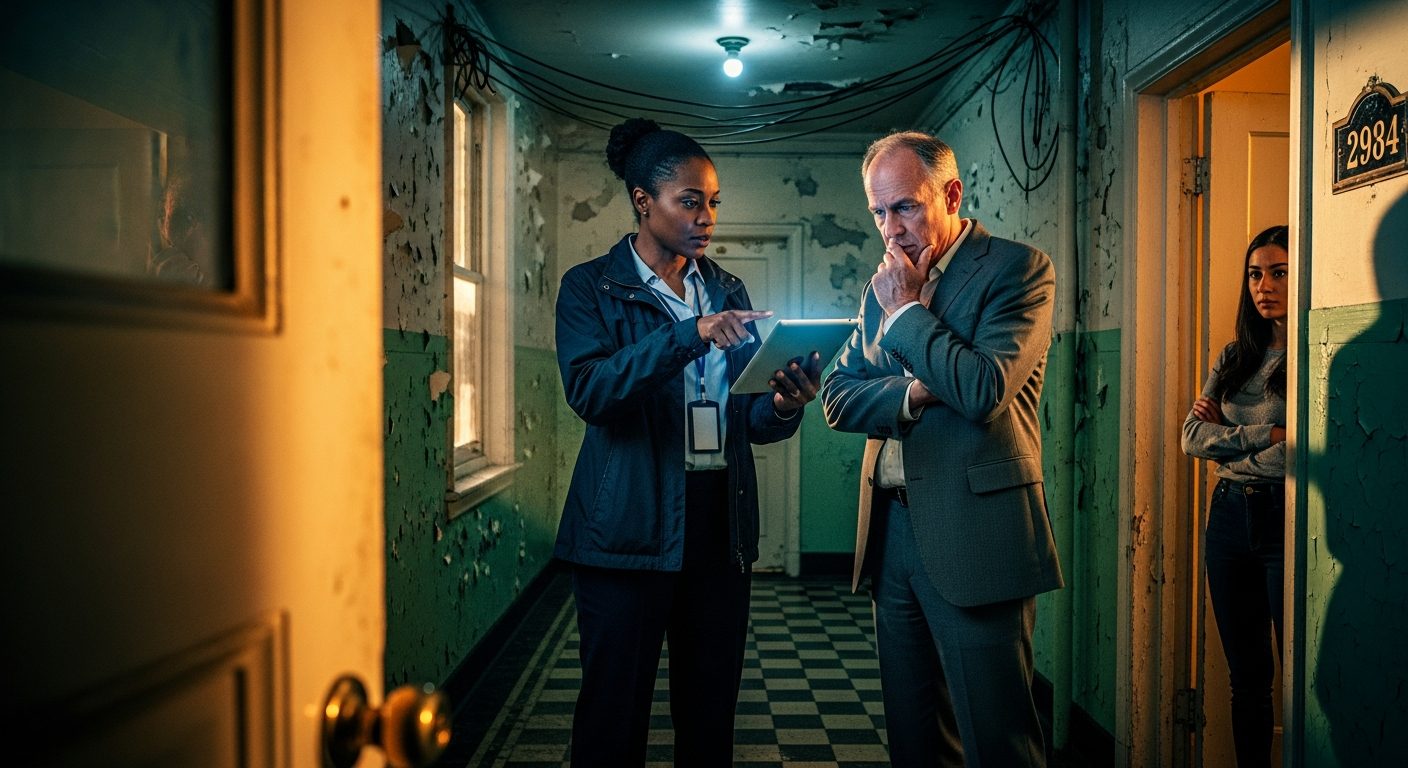
A Queens Housing Court judge has ordered the landlord of an Elmhurst apartment building to fix more than 300 open violations by July 31, 2026. The case is putting a spotlight on something New York multifamily owners can’t afford to ignore: the real cost of letting housing code problems pile up.
According to the Queens Daily Eagle, a judge ordered the landlord of 41-25 Case St. to address the violations following a lawsuit filed by tenants. It’s a pointed example of how unresolved maintenance issues can spiral into court-supervised interventions, creating serious operational and financial exposure for property owners and investors alike.
What the Court Order Requires
The order sets a hard deadline for the building’s owner, identified in reports as A&E Real Estate, to correct a long list of documented deficiencies. News reports varied slightly on the exact count; the Queens Daily Eagle cited 331 open violations from the city’s Department of Housing Preservation and Development, while NewYork reported 368 HPD violations plus one from the Department of Buildings. Alleged unsafe building conditions in Queens, cited by multiple sources, include mold, malfunctioning elevators, broken smoke alarms, defective buzzer systems, and persistent problems with heat and hot water.
If you’re wondering what noncompliance looks like in dollar terms, it isn’t pretty. Each unresolved violation could expose the owner to thousands of dollars in civil fines per day if it isn’t corrected by the deadline. And this isn’t A&E Realty’s first brush with enforcement. A separate January 2026 settlement reportedly required the same owner to pay $2.1 million to resolve violations across 14 other buildings, also reported by the Queens Daily Eagle.
Why This Matters Beyond One Elmhurst Property
For multifamily executives, operators, and investors, the situation at 41-25 Case St. is a textbook example of how deferred maintenance erodes asset value and operational stability. Persistent housing code violations don’t just trigger fines. They raise operating costs, increase insurance premiums, and complicate refinancing or acquisition due diligence. On top of that, a high volume of public violations creates reputational risk that can tank resident retention and attract more regulatory scrutiny than anyone wants.
In Queens, several properties have already been added to public watchlists for chronic noncompliance. A building at 34-15 Parsons Blvd. in Flushing reportedly had 548 HPD violations, while another at 90-38 170th St. in Jamaica had 435. Those aren’t outliers anymore; they’re part of a pattern that city officials are tracking closely.
The enforcement climate is getting tighter, too. City officials have signaled a more aggressive posture against owners with persistent code violations across their portfolios. In fact, the Elmhurst case follows a separate January 2026 settlement in which A&E Real Estate reportedly agreed to pay $2.1 million to resolve open violations at 14 other properties. Newsweek reported that New York City Mayor Zohran Mamdani warned that landlords with extensive unresolved issues will face escalated legal action. For investors and asset managers, the takeaway is blunt: a pattern of noncompliance isn’t viewed as a building-level maintenance problem anymore. It’s treated as a portfolio-level operational failure.
How HPD Enforcement Differs from Injury Lawsuits
Property owners and managers must understand the distinction between regulatory enforcement and civil liability, because they’re two very different animals. HPD violations and subsequent Housing Court actions (known as HP proceedings) are designed to compel landlords to make repairs and bring a property into compliance with the city’s housing maintenance code. These proceedings focus on habitability and are initiated by tenants or city agencies to secure court-ordered repairs, often with specific deadlines and penalties for missing them.
But separate legal pathways exist for personal injury or premises liability claims. Housing Court repair orders and HPD enforcement aim to secure repairs, while separate civil claims may arise when unsafe building conditions allegedly result in physical injury and place landlord notice, documentation, and code history under closer review. An injury claim requires additional elements: the tenant must prove that the landlord had notice of a dangerous condition, that the condition caused an injury, and that damages resulted. Sound familiar if you’ve ever dealt with a slip-and-fall claim? The mechanics are similar, but the stakes in a building with hundreds of violations on record can be significantly higher.
Process
Primary Purpose
Who Typically Initiates
Main Outcome
Business Risk for Owners
HPD violation
Document code noncompliance
HPD after a complaint or inspection
Violation on record; correction required
Fines, repeat inspections, and public record issues
Housing Court repair order (HP proceeding)
Compel repairs by court order
Tenants or city agencies in Housing Court
Deadline-driven repairs; possible penalties
Court oversight, legal costs, operational disruption
Civil injury/premises liability claim
Seek damages for alleged physical harm
Injured tenant or occupant
Monetary damages if liability is proven
Litigation exposure, insurance impact, discovery into notice and maintenance history
The Enforcement Climate in New York Is Changing
The Elmhurst case also reflects a broader trend of increased tenant organizing and public pressure in housing disputes. amNewYork reported that tenants from 41-25 Case St. rallied outside the courthouse before the hearing, a tactic that’s become increasingly common in high-violation cases across the boroughs. That kind of visibility, amplified by local press coverage, ratchets up reputational exposure for landlords in ways that a simple fine notice never could.
City officials are also exploring ways to speed up enforcement against what they describe as persistent violators. According to The Real Deal, this includes discussions with the state’s Office of Court Administration to create faster calendars for certain types of housing cases. If you’re a building owner sitting on a backlog of open violations, that should be a wake-up call.
What Landlords, Managers, and Investors Should Take from This
So far, the Elmhurst case has touched on court-ordered repairs, escalating fines, regulatory pressure, and the risk of separate civil claims. Here’s what all of that looks like, distilled into practical action items for stakeholders in the New York multifamily market:
Track open violations at the portfolio level, not just on a building-by-building basis. A single property with 50 violations might fly under the radar, but a pattern across 10 buildings won’t.
Escalate recurring complaints involving life-safety systems, such as mold, heat, elevators, smoke alarms, and access controls, before they become front-page stories.
Preserve repair logs, tenant communications, inspection results, and contractor records. If a case goes to court, documentation is your best defense.
Treat chronic violations as a diligence and financing issue, not just a maintenance headache. Lenders and buyers are paying attention.
Assume tenant organizing and local press coverage will amplify operational failures into reputational risk. Because in 2026, they absolutely will.
Proactive compliance and careful record-keeping aren’t optional extras for sophisticated multifamily operators anymore. Treating housing code adherence as a core business function helps protect asset value and reduces legal and financial exposure across the board.
Why Compliance Now Looks More Like Risk Management
A repair deadline in Elmhurst might sound like a localized Housing Court matter, but for New York multifamily stakeholders, it represents a clear paradigm shift. With regulatory oversight and public scrutiny intensifying, proactive compliance systems are no longer just a line item in the maintenance backlog—they are core infrastructure for long-term asset protection and risk management.