
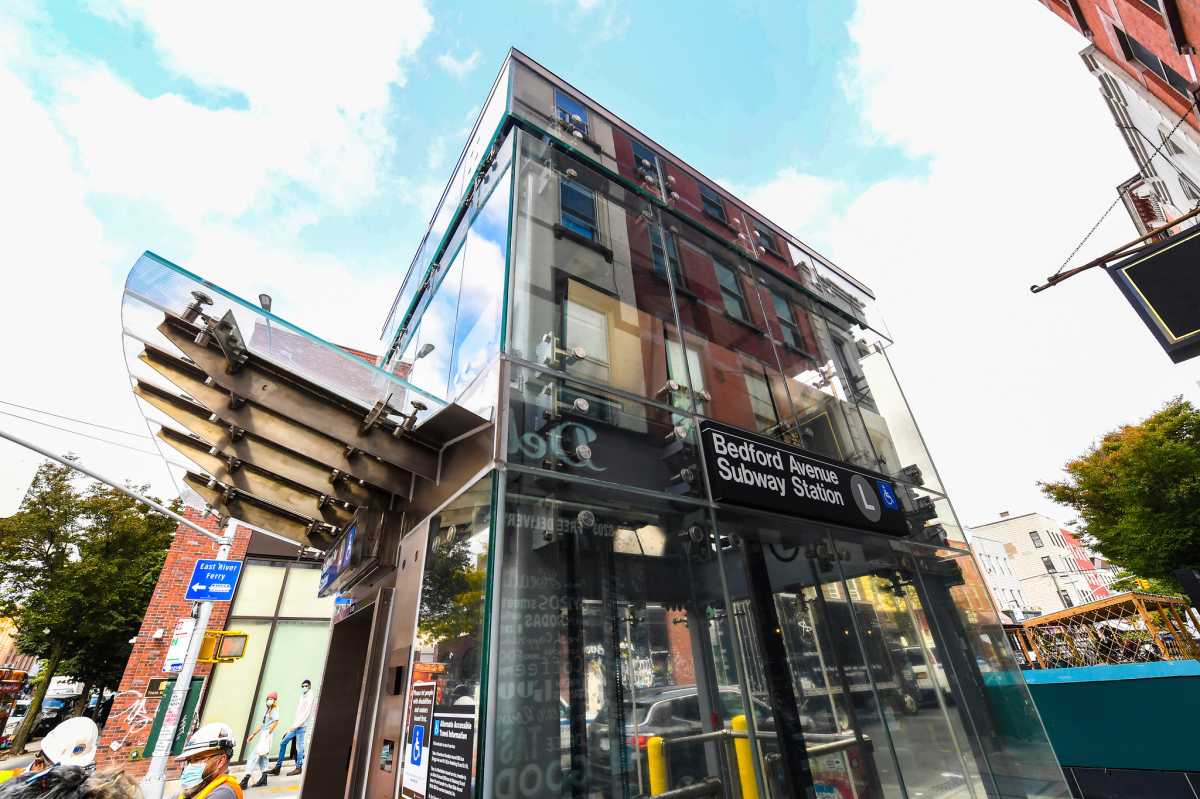
The transit authority released a request for proposals (RFP) for a contractor to take on the construction — estimated to cost upwards of $100 million — on Monday. The contract will cover adding new elevators, along with needed repair work and other upgrades, at Neptune Avenue on the F line, 18th Avenue on the N, Jefferson Street on the L, Nostrand Avenue on the C, and Fort Hamilton Parkway on the D.
MTA Chair and CEO Janno Lieber, in a statement, said the project is yet another example of how congestion pricing — a state toll program that charges drivers entering Manhattan below 60th Street a base fee of $9 during peak times — is working.
“Wondering what congestion relief revenues are paying for? Well, here’s another five accessible subway stations to add to the list,” Lieber said in a statement. “Drivers are appreciating speedier crossings and reduced congestion since the toll program started, but everyone is glad the air is cleaner, streets are safer, and our mass transit system is getting major upgrades.”
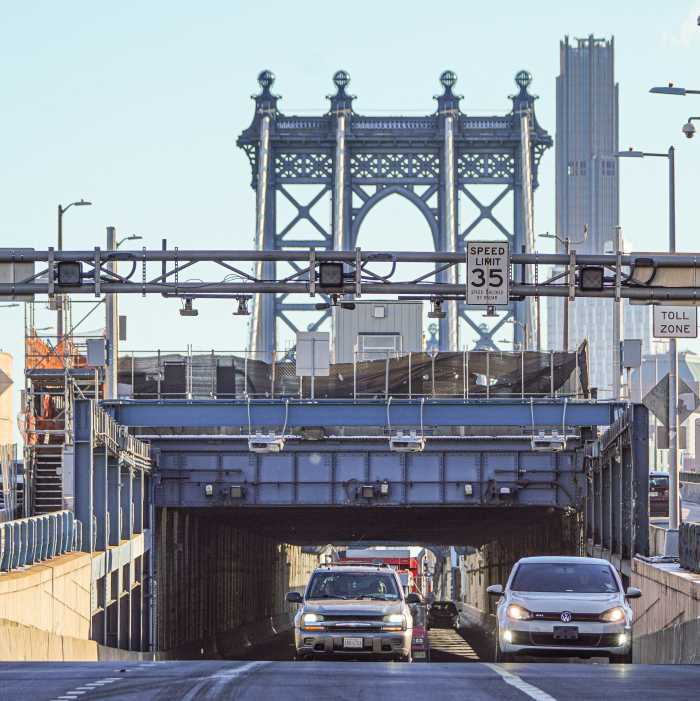 Congestion pricing fees will fund the elevators, said MTA CEO Janno Lieber. File photo by Dean Moses
The MTA plans to use revenue from congestion pricing to bond out $15 billion, which it will then use to fund part of its 2020-2024 Capital Plan. The five stations the MTA announced on Monday are among 20 being made more accessible, partially funded by congestion pricing revenue.
The agency will add one elevator at Neptune Avenue, two at 18th Avenue, two at Jefferson Street, three at Nostrand Avenue, and two at Fort Hamilton Parkway.
The MTA says it chose Neptune Avenue and Jefferson Street because they both fill gaps in areas with four consecutive inaccessible stations along their lines, the MTA said. It chose Nostrand Avenue as a busy express station in a major commercial area.
“These accessibility upgrades will be transformative for Brooklyn riders, and they’re exactly the kind of work congestion pricing allows us to deliver better, faster, and cheaper,” said Jamie Torres-Springer, president of MTA Construction and Development.
The selected contractor will also conduct other work at the stations, such as repairing platform edges, replacing staircases, and installing fare arrays. As part of the RFP for the installation contract, the MTA also aims to enter into a separate accord for long-term maintenance of the new elevators.
Firms wishing to participate must submit their proposals with the MTA by Sept. 14. The agency will then likely award the contract by the end of this year.
The MTA has made 60 more subway stations wheelchair accessible since 2020 — bringing the total number of accessible stations to 160. However, with 472 stations across the subway system, the agency still has a lot of work left to do.
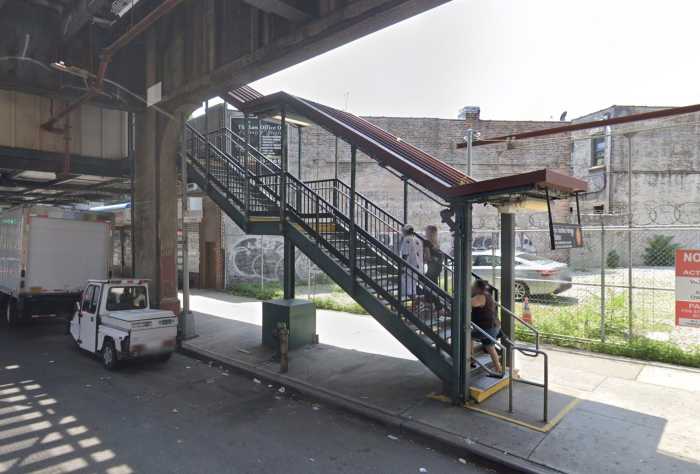 The elevated Fort Hamilton Parkway D station is one of five slated to get new elevators.Photo courtesy of Google Maps/Gerardo Romo, NYC Council Media Unit
The MTA’s current capital plan, which runs from last year through 2029, puts $7.1 billion toward making another 60 stations accessible. By the end of that plan, MTA officials say they will have made accessible stations that serve roughly 75% of their ridership.
Joe Rappaport, executive director of the Brooklyn Center for Independence of the Disabled, said in a statement to amNewYork that his organization was pleased to see the MTA making progress on its pledge to make most of its stations accessible by 2055.
The commitment was part of a 2023 settlement between the agency and several groups, including the Brooklyn Center for Independence of the Disabled, that sued in a class action lawsuit to compel it to better comply with the Americans with Disabilities Act of 1990 by making far more stations accessible.
When we settled our lawsuit against them four years ago, the MTA pledged to make at least 95% of the city’s 472 subway stations accessible by 2055, so it’s great to see five more Brooklyn projects moving forward,” Rappaport said.
This story first appeared on Brooklyn Paper’s sister site amNewYork.