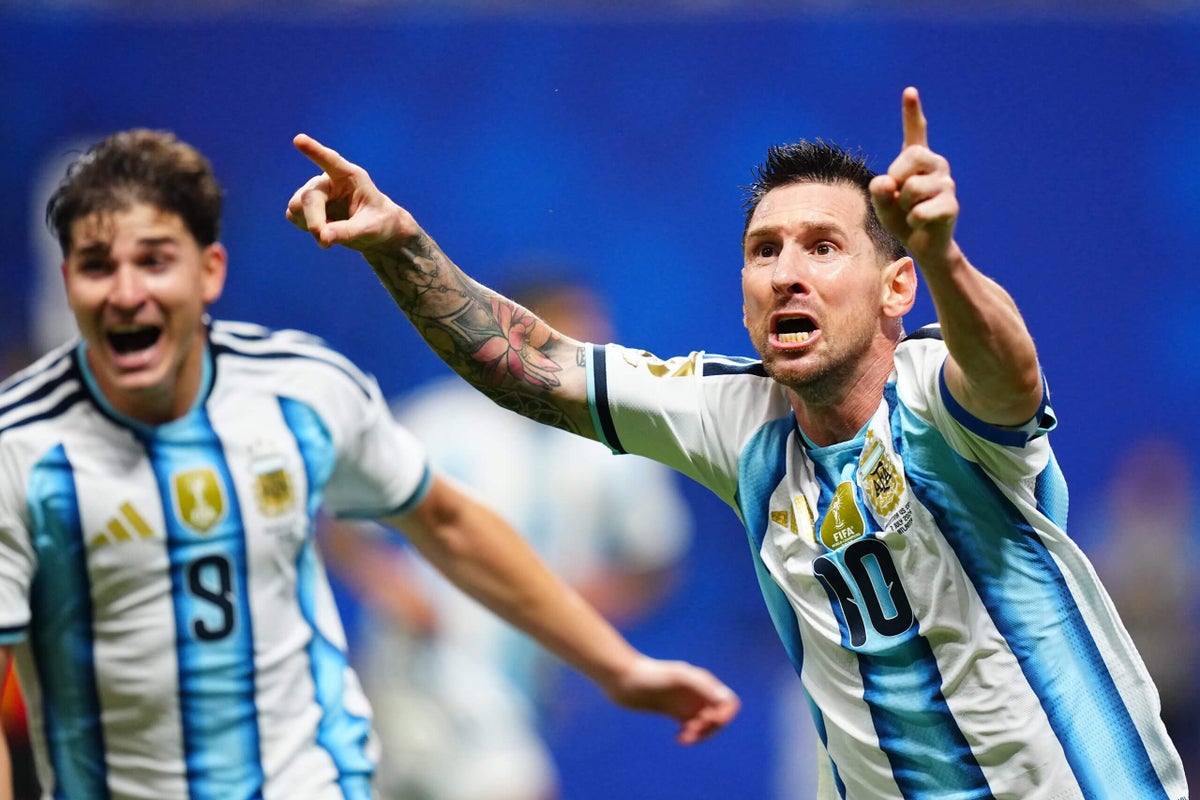
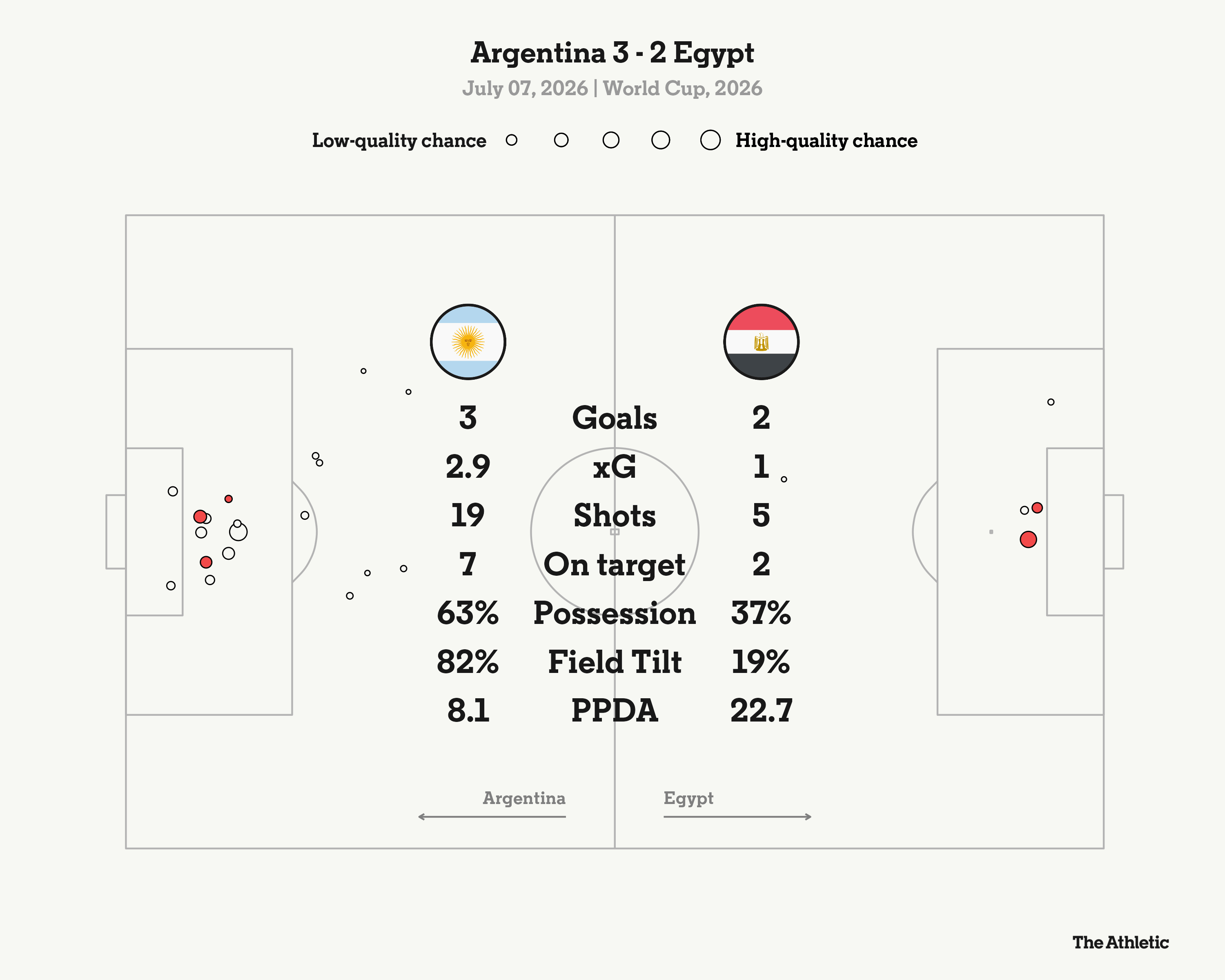
Lionel Messi inspired Argentina to one of the great World Cup comebacks as they came back from two goals down to beat Egypt 3-2 and seal their place in the quarter-finals.
Argentina had found themselves behind at half-time in the tournament for the first time in 16 years after Yasser Ibrahim’s 15th-minute header and a Messi penalty saved by Mostafa Shobeir.
The reigning champions appeared on the brink of elimination when Mostafa Ziko put Egypt 2-0 up in the 67th minute, after already having seen a goal ruled out for a VAR intervention on a challenge in the build-up.
Lionel Scaloni’s side had other ideas, though.
Cristian Romero gave them hope with a 79th-minute header, before the 39-year-old Messi sent Argentinians into delirium with his improbable — or perhaps probable — equaliser off the crossbar. There had been four minutes and 18 seconds between those goals.
And they completed the fightback in stoppage time, as Enzo Fernandez rose highest in the 92nd minute to head home a brilliant cross from Lautaro Martinez. It left Messi in tears during the celebrations.
James Horncastle, Simon Hughes, Liam Tharme and Mark Carey analyse what happened in Atlanta.
What happened in that dramatic final stretch?
Oh, to be a cardiologist in Argentina.
This team will give you a heart attack.
It was like this in Qatar four years ago, too. Argentina were always on the brink en route to winning that World Cup. They whip up hysteria and euphoria in equal measure. After being taken to extra time by Cape Verde in Miami in the previous round, Argentina found themselves seemingly down and out against Egypt.
They fell behind. They did everything to get level. They should have been in the lead. But it didn’t look like being their day. Messi missed a penalty and Shobeir saved everything.
When Scaloni made changes, Egypt doubled their lead. Requiem for Messi’s World Cup career were being written. But once again, his left foot served as CTRL+ALT+DELETE.
He crossed for Romero. He smashed one in off the bottom of the bar and the crowd erupted. Argentina believed again. And as they did, they appeared to lose themselves, too.
Egypt piled forward. Leandro Paredes had to make a last-gasp challenge in a one-on-one situation. Otherwise, it was curtains. He made it.
And, just when the game seemed bound for extra time, Argentina won it with Lautaro crossing for the kind of header Fernandez scores regularly for Chelsea.
Scaloni talked about the intangibles of this team after the Cape Verde win. The strength of character. The resilience. Just when you think Argentina are out, they pull themselves back in.
An entire country needs a lie-down.
James Horncastle
Shobeir thwarts Messi and company — until…
Shobeir’s first-half saves, firstly from a Messi penalty and then from Julian Alvarez’s low drive (below), underlined why some Egyptians think he has emerged as the next great goalkeeper from the African continent.
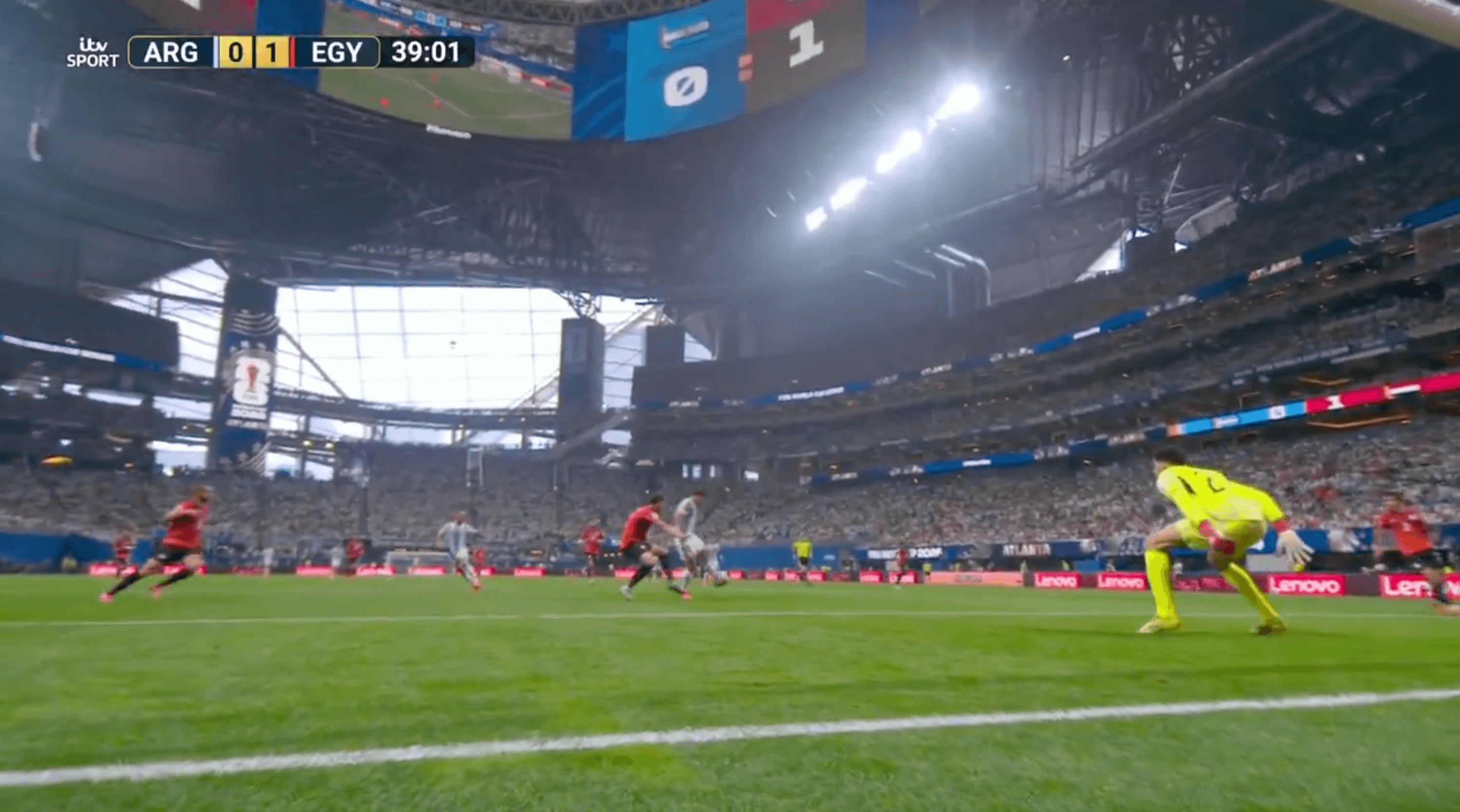
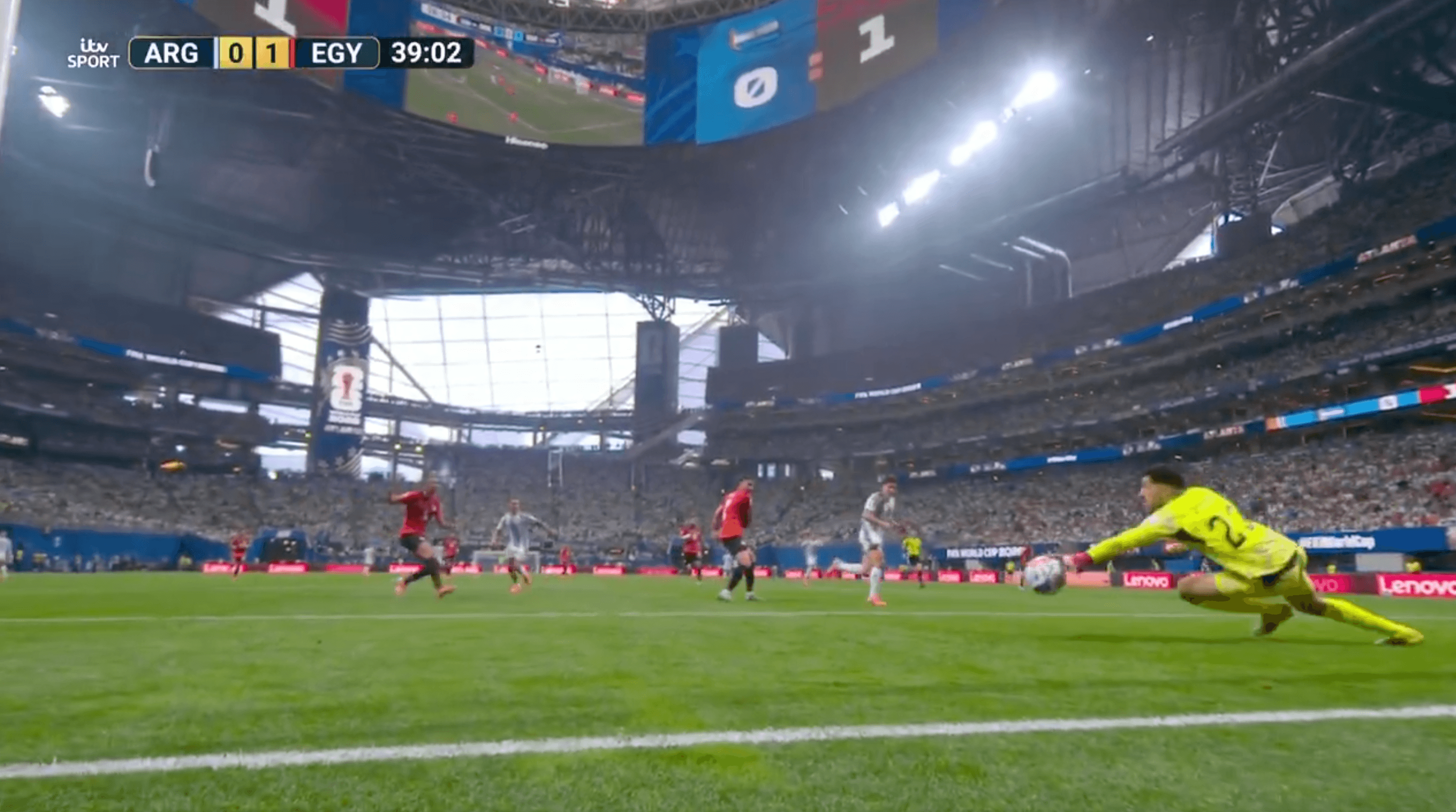
He has enjoyed a magnificent World Cup, where the performances of largely unknown goalkeepers such as Cape Verde’s Vozinha and Eloy Room of Curacao have caught a lot of attention.
Yet Shobeir would appear to be at a different level altogether from his fellow underdog counterparts. When FIFA names its all-star squad of players from this tournament, it would be a misjudgement if he is not in it.
He has made important saves against Belgium, New Zealand, Iran, Australia and now Argentina, against whom he was unfortunate not to stop both goals in ordinary time. While Romero’s header was at point-blank range, he saw Messi’s half-volley late through a crowd of defenders.
There is something about the way this goalkeeper holds himself, however, adding a layer of authority to his presence.
Shobeir comes from a family that knows all about the unique challenges in this job: his father, Ahmed, played 107 times for Egypt and was their first-choice goalkeeper at the 1990 World Cup.
Mohamed Salah was always going to make more headlines than any other Egyptian player at this tournament but a supporting cast including Emam Ashour, Marwan Attia and Mohamed Hany has been just as important. None more so, however, than the marvellous Shobeir.
If European clubs were not paying attention to the 26-year-old, currently with Cairo’s Al Ahly, they surely will be now. It was just a shame for him and his team that they fell victim to a remarkable Argentine recovery.
Simon Hughes
What’s behind Messi’s poor World Cup penalty record?
Even when you know how average Messi’s penalty-taking is, each time he misses it feels inconceivable.
This is a player who can do everything. In the same half that Shobeir read his penalty, hit low and across the goalkeeper, Messi bent a free kick onto the post from way out.
Perhaps this explains the trend: penalties are a psychological skill, not a technical one. And Messi has never truly excelled at them. He does not have a stock finish or routine, and in recent years has preferred the slow run-up to watch goalkeepers and then shoot once they dive early. Opponents have clocked this.
Messi tried to score the same penalty today that he missed against Austria in the second group game.
Throughout his career, he’s managed to wrong-foot goalkeepers and shoot to his natural (left) side. Reversing it has been a problem, as his run-up has telegraphed his intentions and, unlike England’s Harry Kane, he doesn’t hit them hard enough to beat the ’keeper for speed.
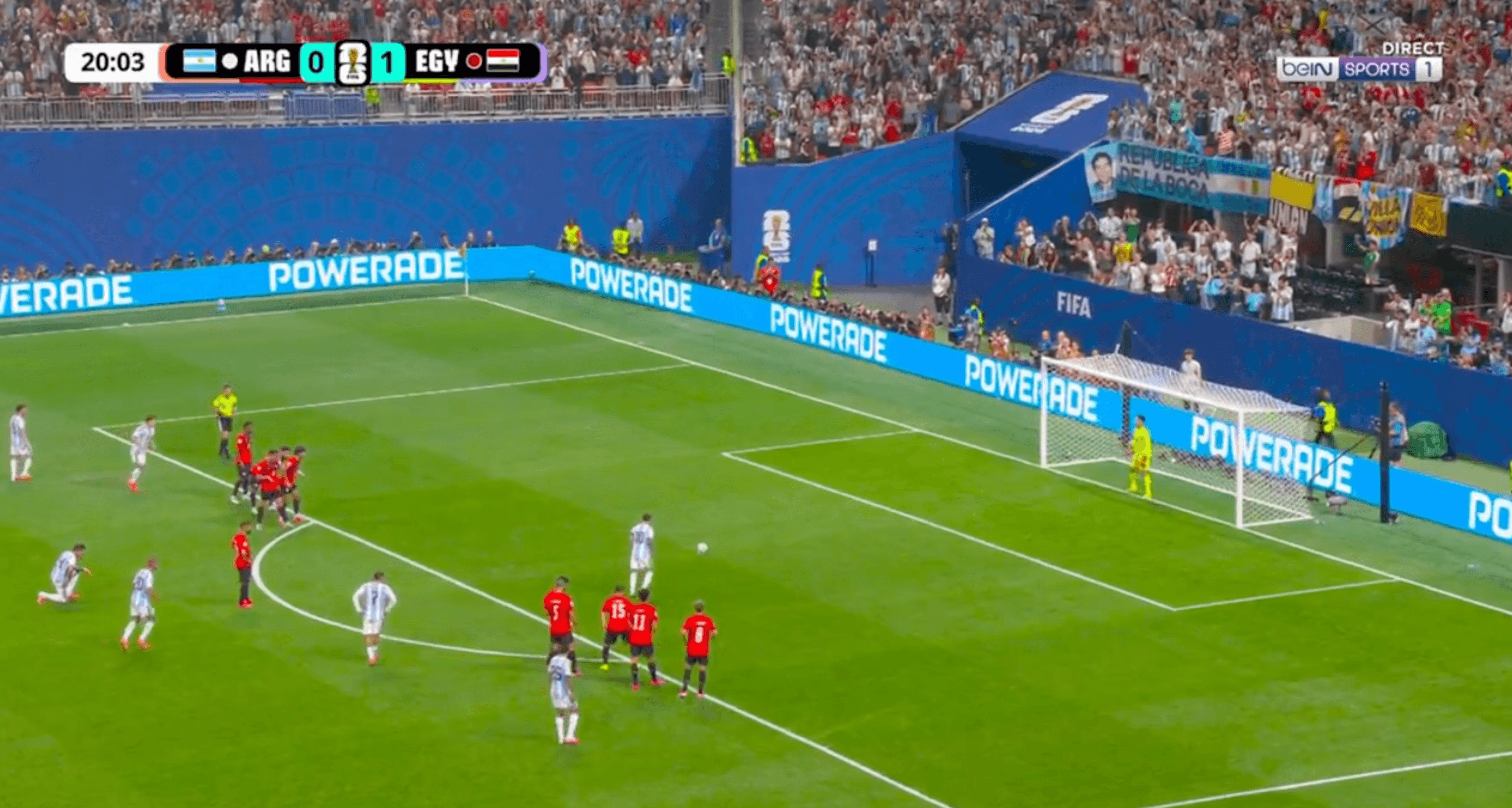
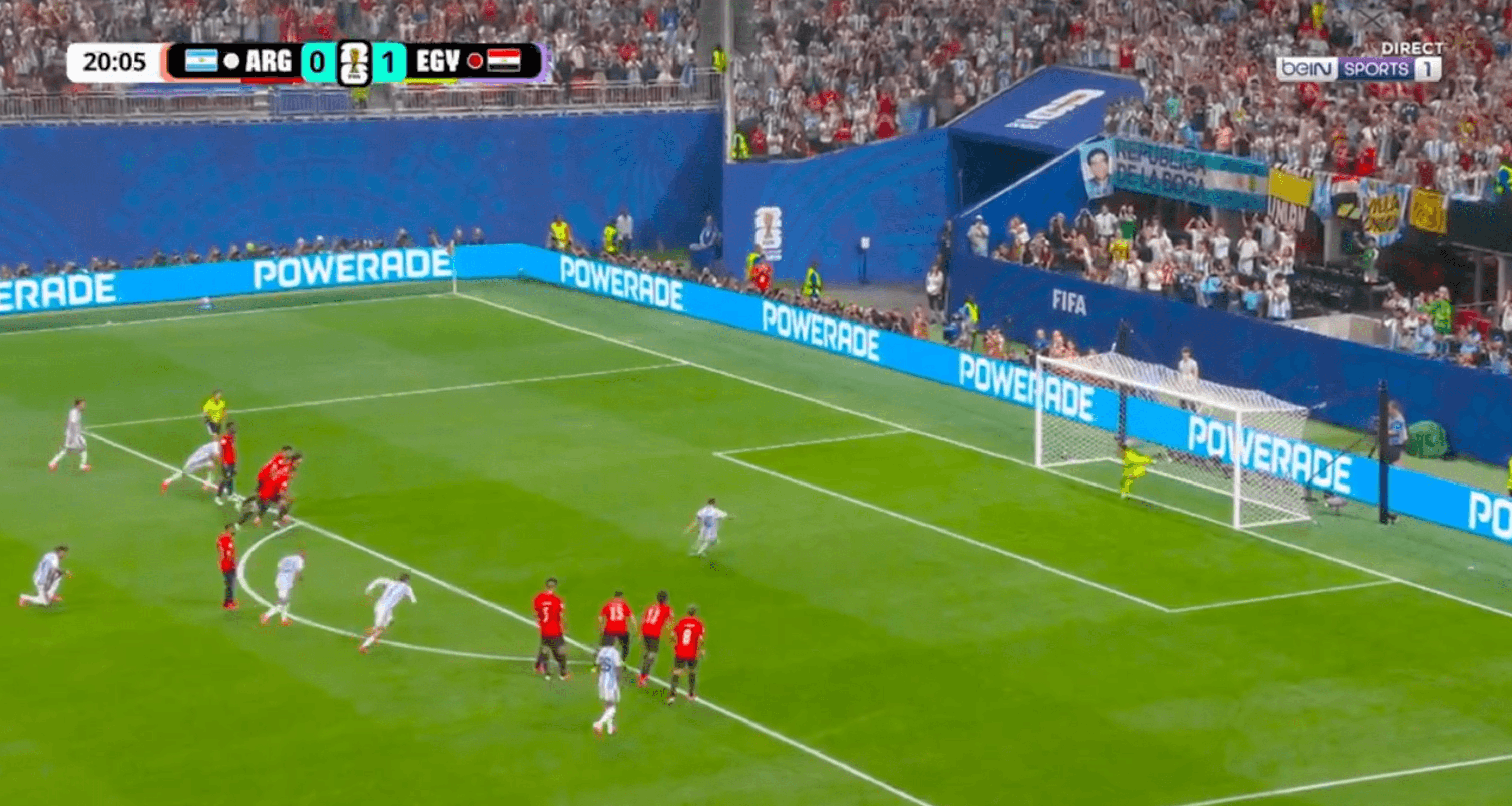
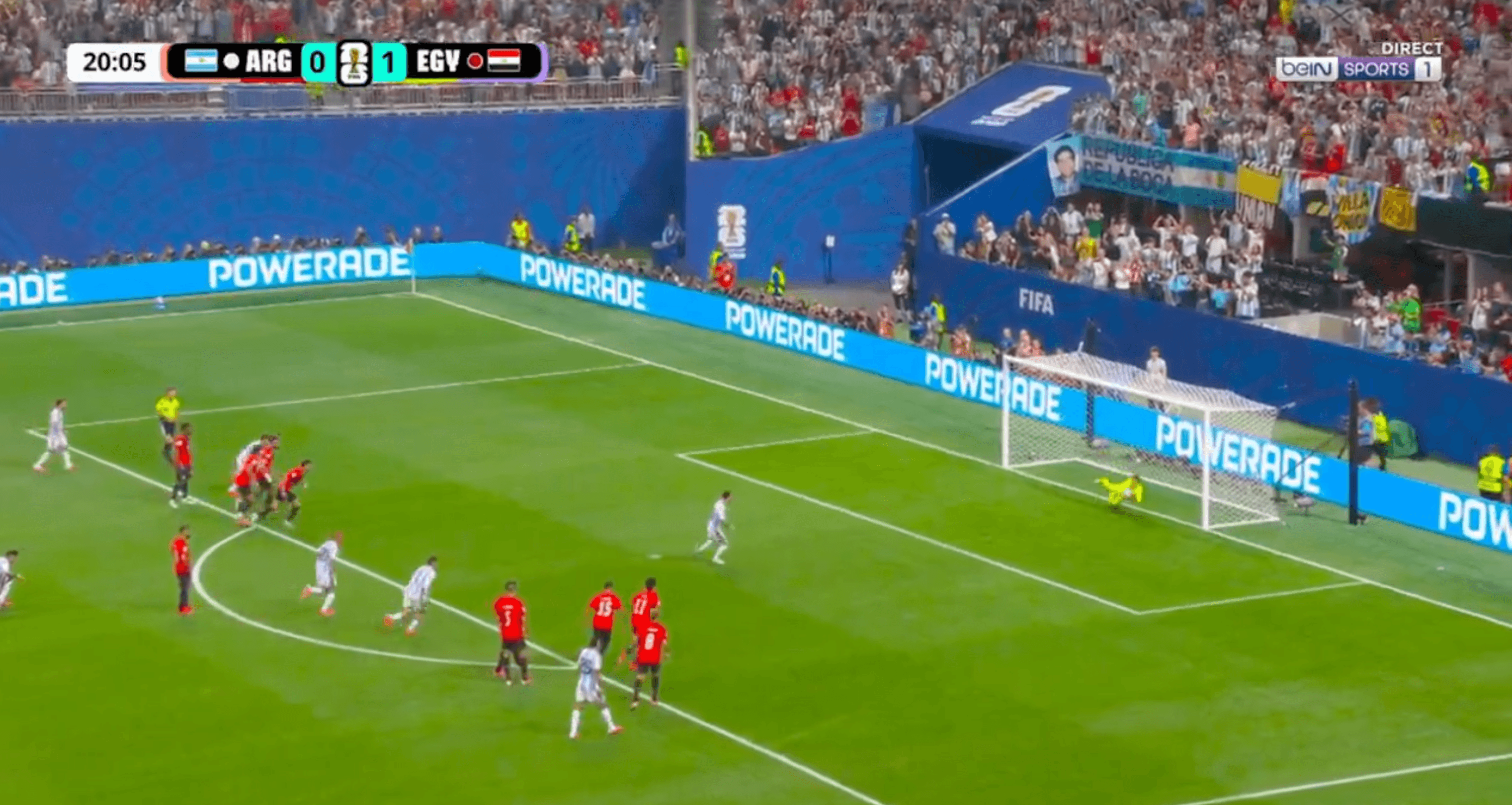
His penalty record now reads four from eight at World Cups (excluding shootouts — he did score from the spot in the decisive one against France in the 2022 final), and he’s the first to miss two in matches at one finals. Not that it mattered in the end…
Liam Tharme
Should Ziko’s 67th-minute goal have stood?
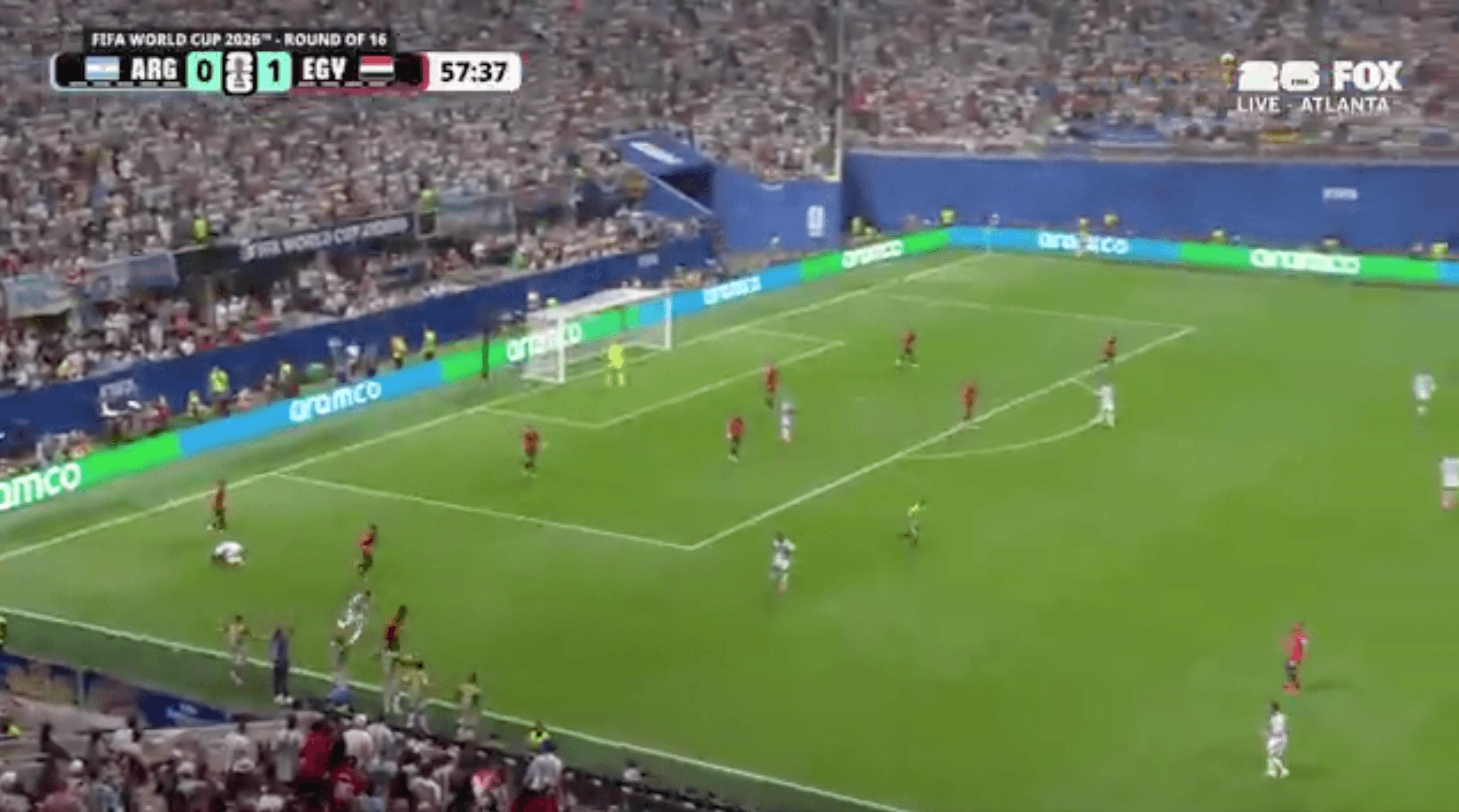
Attia’s challenge on Lisandro Martinez in the build-up to Ziko’s 67th-minute effort was normal contact. It was also almost 100 yards from goal, and Argentina had every opportunity to regroup and defend — no wonder Egypt felt aggrieved that the eventual goal was disallowed after a VAR review.
There was some contact in the left corner of the pitch far from Argentina’s net (image one below), both foot on foot and a fleeting hold of the shirt (image two), but there was no offence committed here. It was an astonishing intervention and a massive overreach of the VAR’s role to correct only clear and obvious errors.
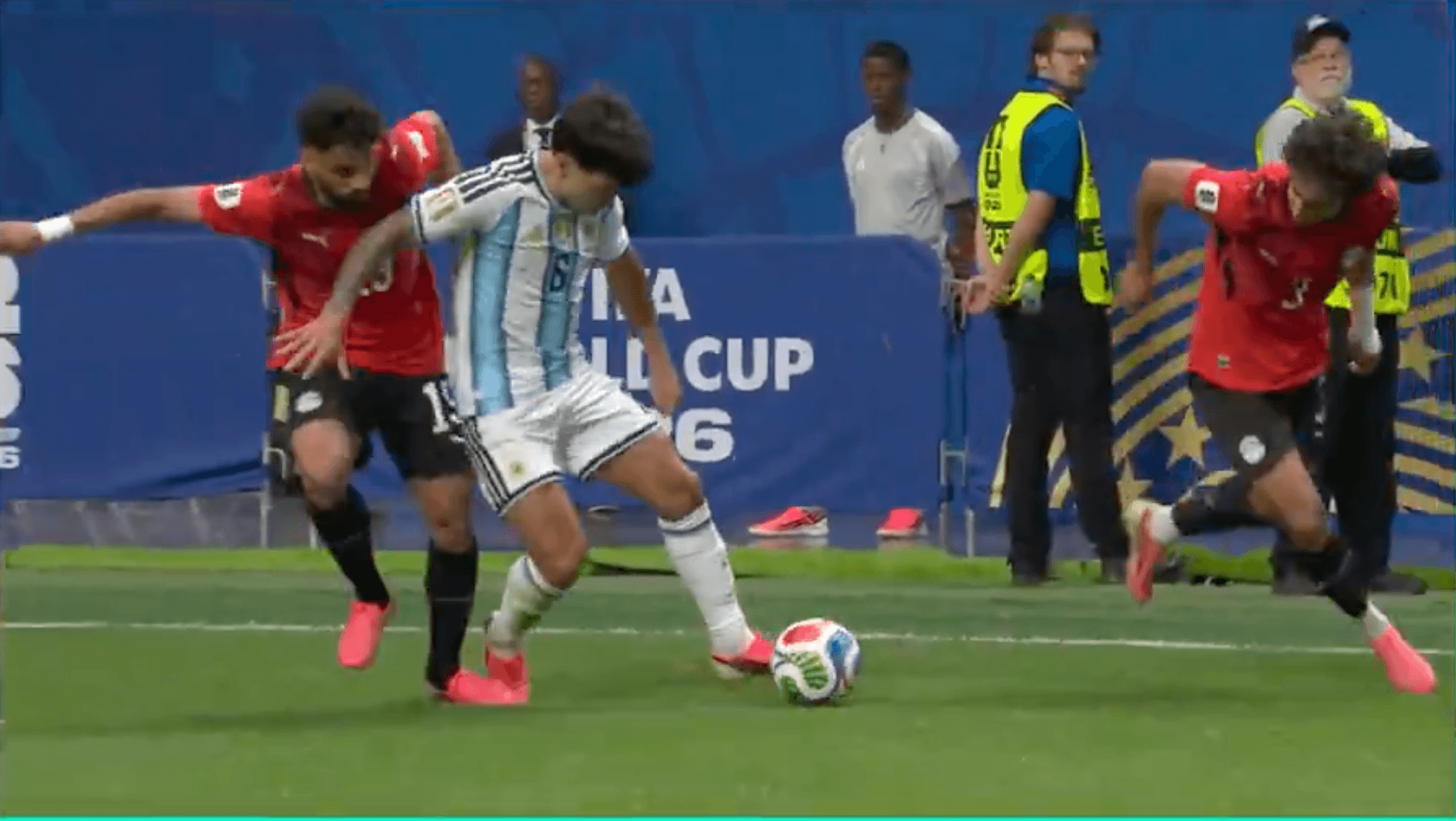
The VAR routinely checks the attacking phase of play before every goal, and here would have gone back to the turnover of possession.
For a goal to be chalked off, there needs to be a clear foul. As a general rule of thumb, the longer the time and distance between a challenge and a goal, the more serious the alleged offence needs to be.
But there was no offence to speak of here, and nothing anywhere near the threshold for VAR to get involved.
Ziko was incensed after the game, telling TSN via a translator: “It was not fair from the referee. It was really not fair, that was very clear. He wasted all of our efforts with his decisions. We were leading 2-0 and we cannot do anything, it’s all up to God.
“We are so sorry. I am so sorry. We wanted to make you all happy. It was not on the cards. It was the referee. Congratulations to Argentina on the second Cup.”
Graham Scott
How did otherwise brilliant Egypt lose this?
When analysing any game, it is important to look at both sides during the post-mortem.
Despite this defeat, Egypt must be given great credit for their performance — opening the scoring after 15 minutes, which meant that game state played a big role in the way the match flowed for long periods.
Egypt dropped deeper, into a back six, in the second half, forcing Argentina into quicker circulation of the ball and greater threat from crosses — something they struggled to do at times as they grew frustrated.
The space was lacking for Argentina, but it opened up for Egypt, who utilised their speed on the counter-attack to great effect. Haissem Hassan’s excellent running down the right flank was a thorn in Argentina’s side, while Salah did not need a second invitation to drive forward with grass in front of him.
While Egypt had one counter-attacking goal ruled out for a foul earlier in the build-up, it was a similar sequence for their second goal that saw them drive into open space after Argentina were forced to commit bodies forward.
Argentina’s width was provided by both of their full-backs, and crossing was a crucial part of their comeback.
Did Egypt crumble by blowing a 2-0 lead? On the face of it, you would say so — but Argentina are world champions for a reason.
It was a relentless finish from Scaloni’s side to grasp victory from the jaws of defeat, but Egypt pushed them every inch of the way and should be credited for doing so.
Mark Carey