
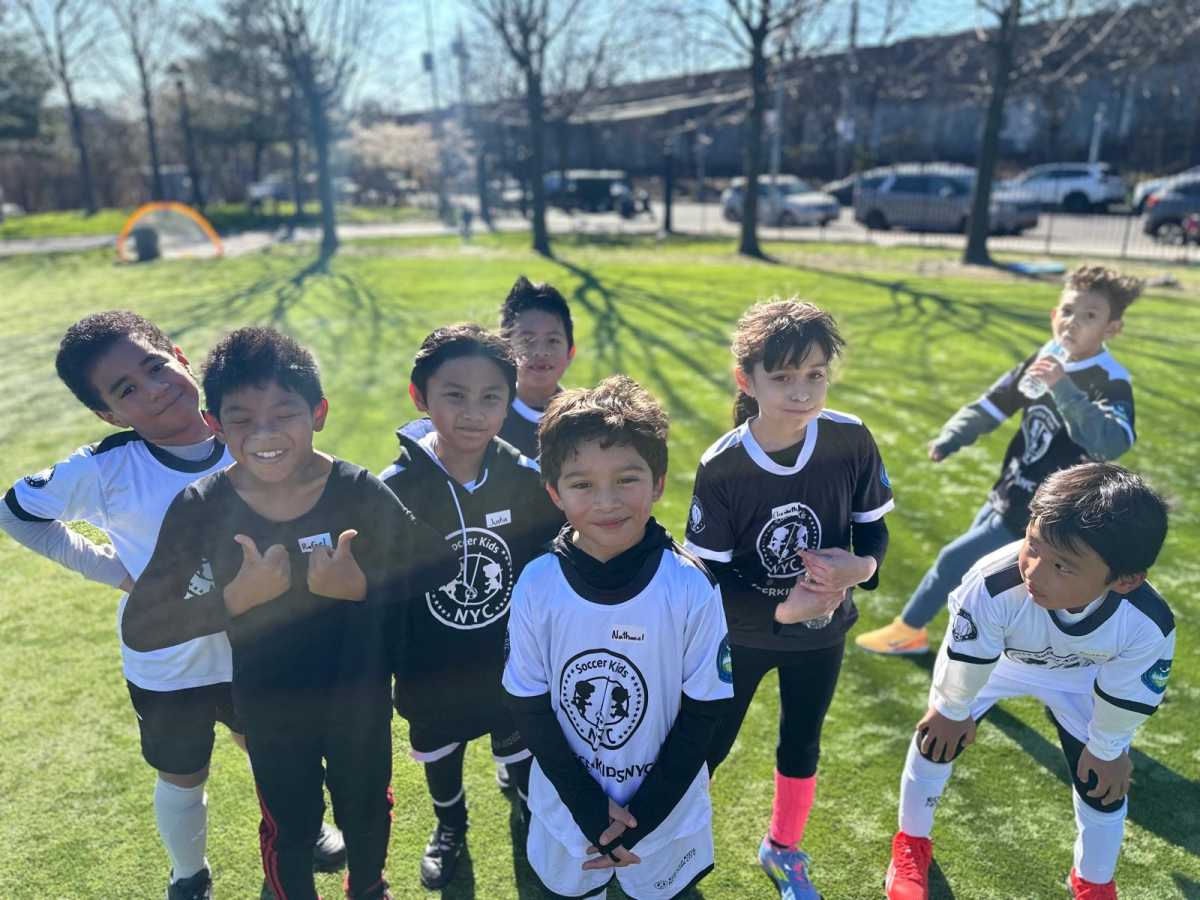
Noe Canales, director of coaching for Queens-based Soccer Kids NYC, hasn’t just watched FIFA World Cup soccer — he’s been listening closely, too. And it’s not just to cheering crowds or woeful fans following a loss.
He’s been fielding calls from parents interested in signing up their children for soccer.
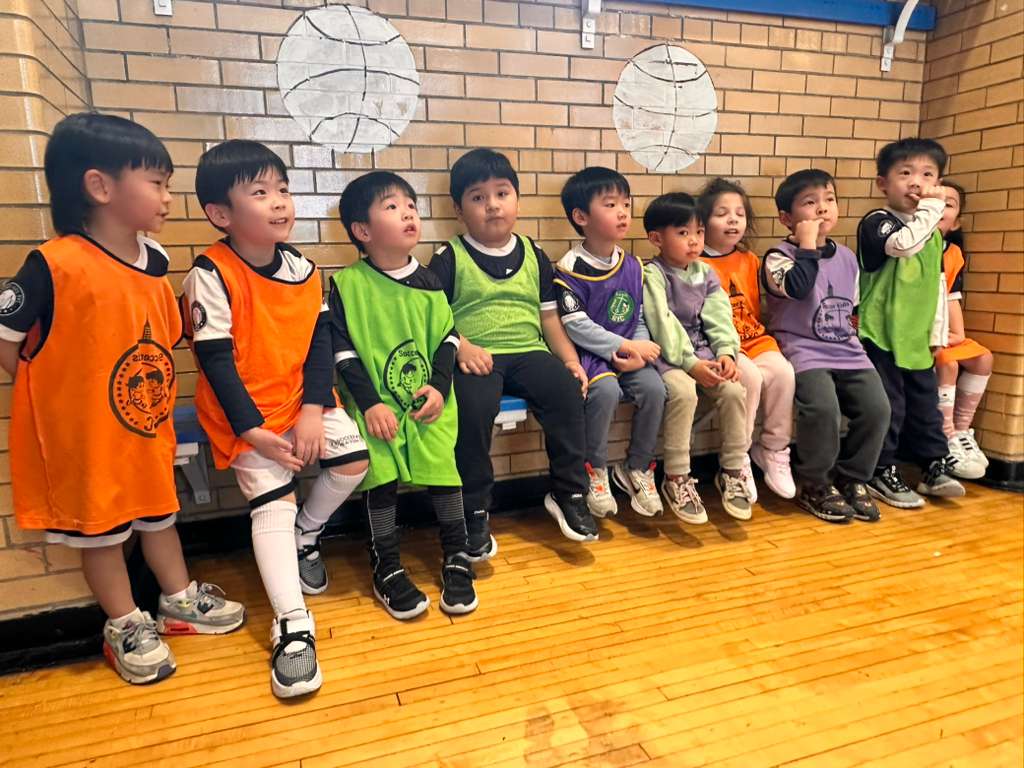 Three and four-year-olds in Soccer Kids NYC’s introductory soccer program at P.S. 31 in Bayside. Photo courtesy of Soccer Kids NYC
While the World Cup has fueled interest in soccer as a spectator sport, Canales said he’s seeing an even bigger impact in youth soccer participation. Anyone who has played, or watched children play, knows the excitement on the field can easily match or eclipse watching a match on a screen.
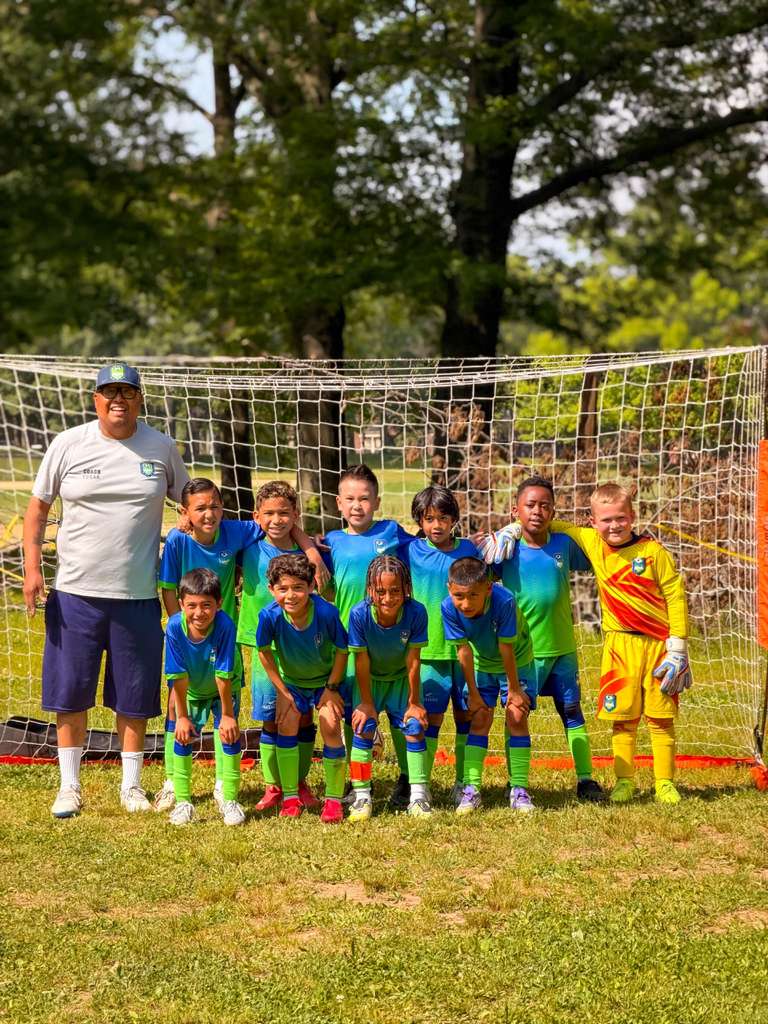 Soccer Kids NYC Select U8 Travel Team at the Alley Pond Park soccer field. Photo courtesy of Soccer Kids NYC
“Everyone’s talking about the sport. It’s talked about in the classroom. Many of our coaches are also teachers,” he said. “There’s been a massive surge of interest from children wanting to play soccer. Our introductory program is full this year.”
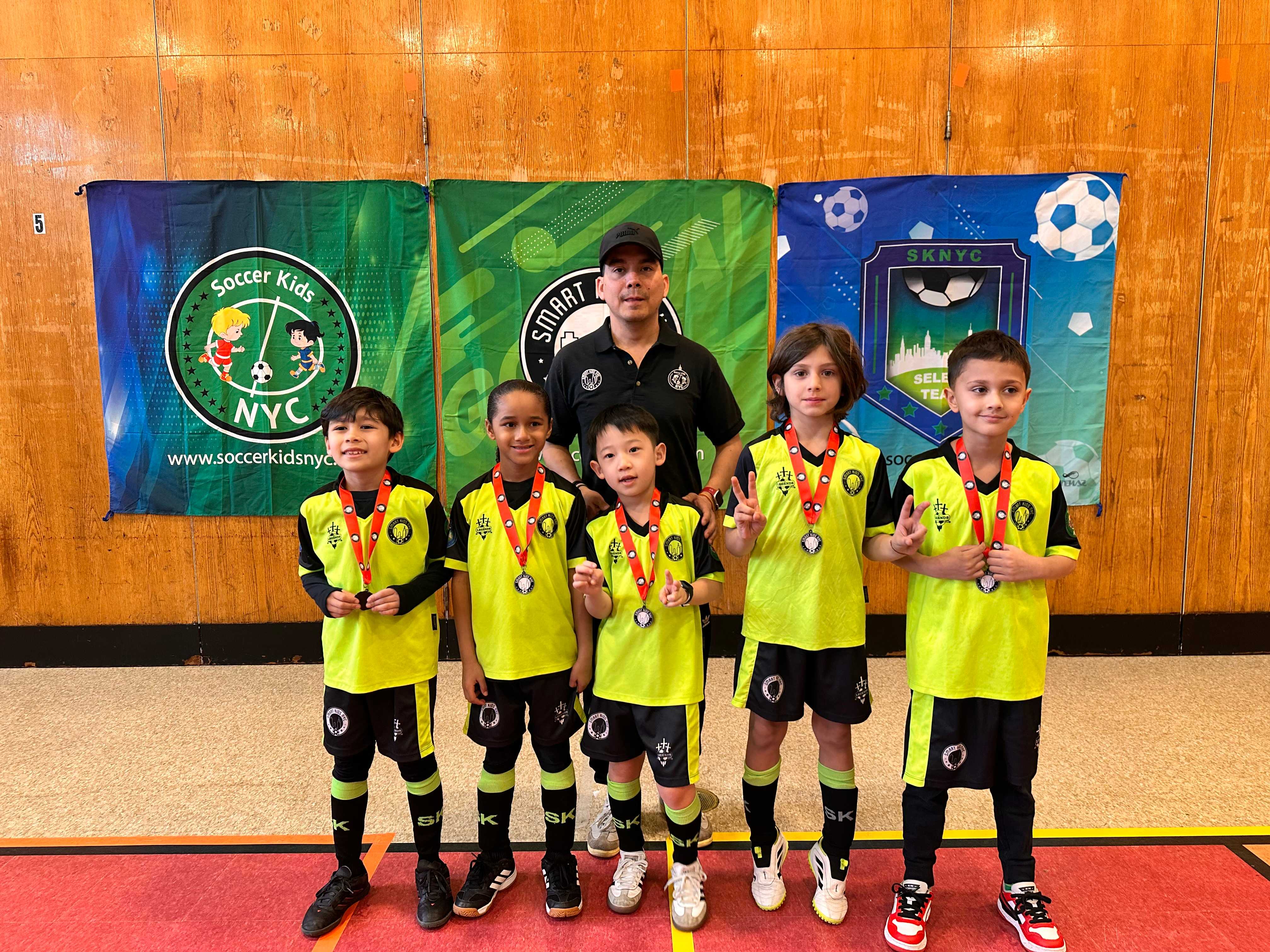 The U8 NYC Legends at P.S. 229 in Woodside. Photo courtesy of Soccer Kids NYC
The spotlight on soccer has led to calls, conversations and new players, as the organization looks to grow an already large program with thousands of players spanning much of Queens, with more expansion on the horizon.
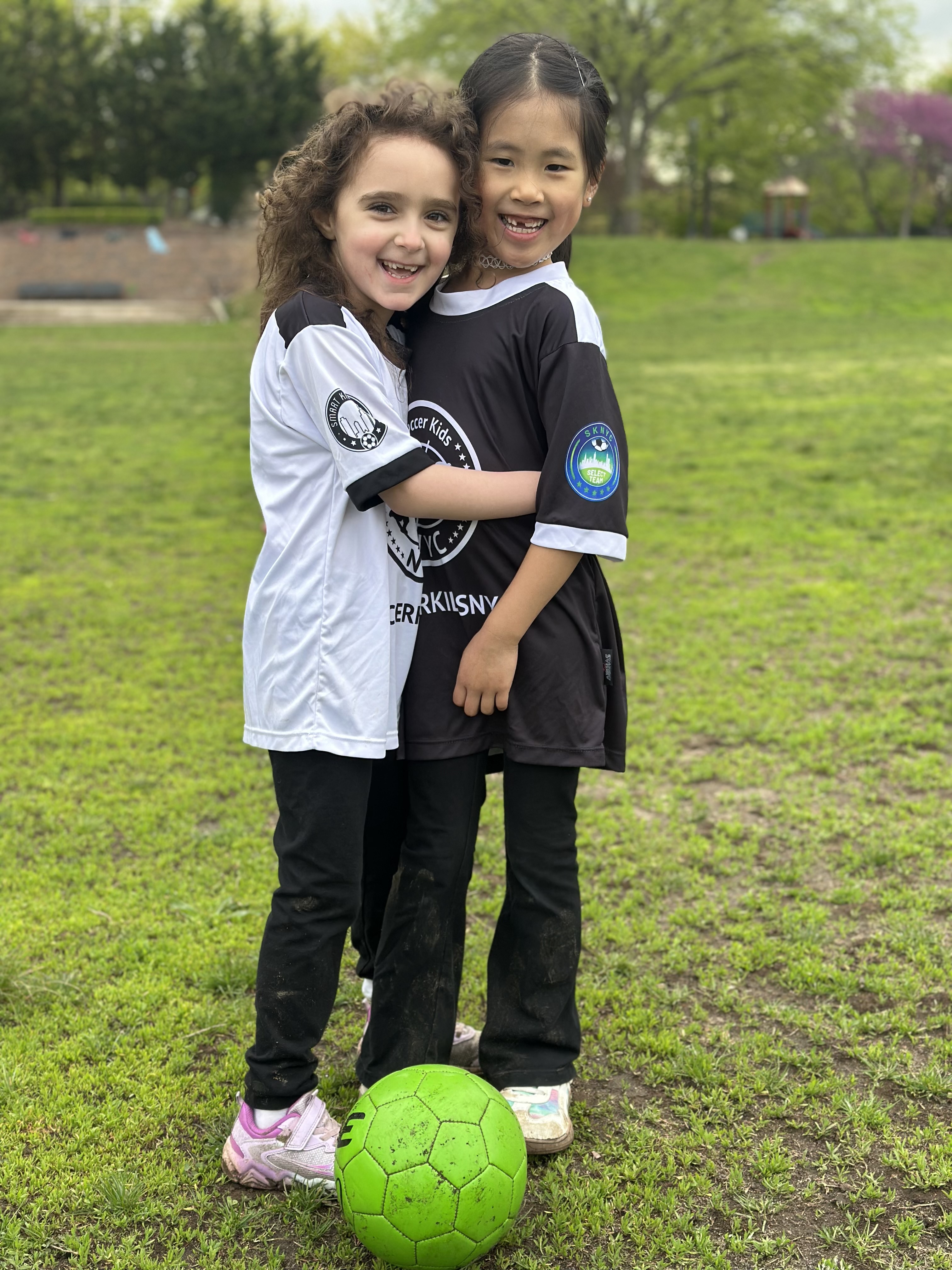 Young kids at a training session at Juniper Valley Park in Middle Village. Photo courtesy of Soccer Kids NYC
Canales said Soccer Kids NYC serves about 2,000 children each season and is growing 15% annually. The summer session runs from late June through the end of August, the spring session from late March to mid-June and the fall session begins in September.
 The U13 Travel Soccer Academy at Little Bay Park in Bayside. Photo courtesy of Soccer Kids NYC
“Every four years, the World Cup has an impact,” said Canales, who played soccer at Stony Brook University before launching the program a decade ago. “Whether it’s in China or Brazil, the interest is tremendous.”
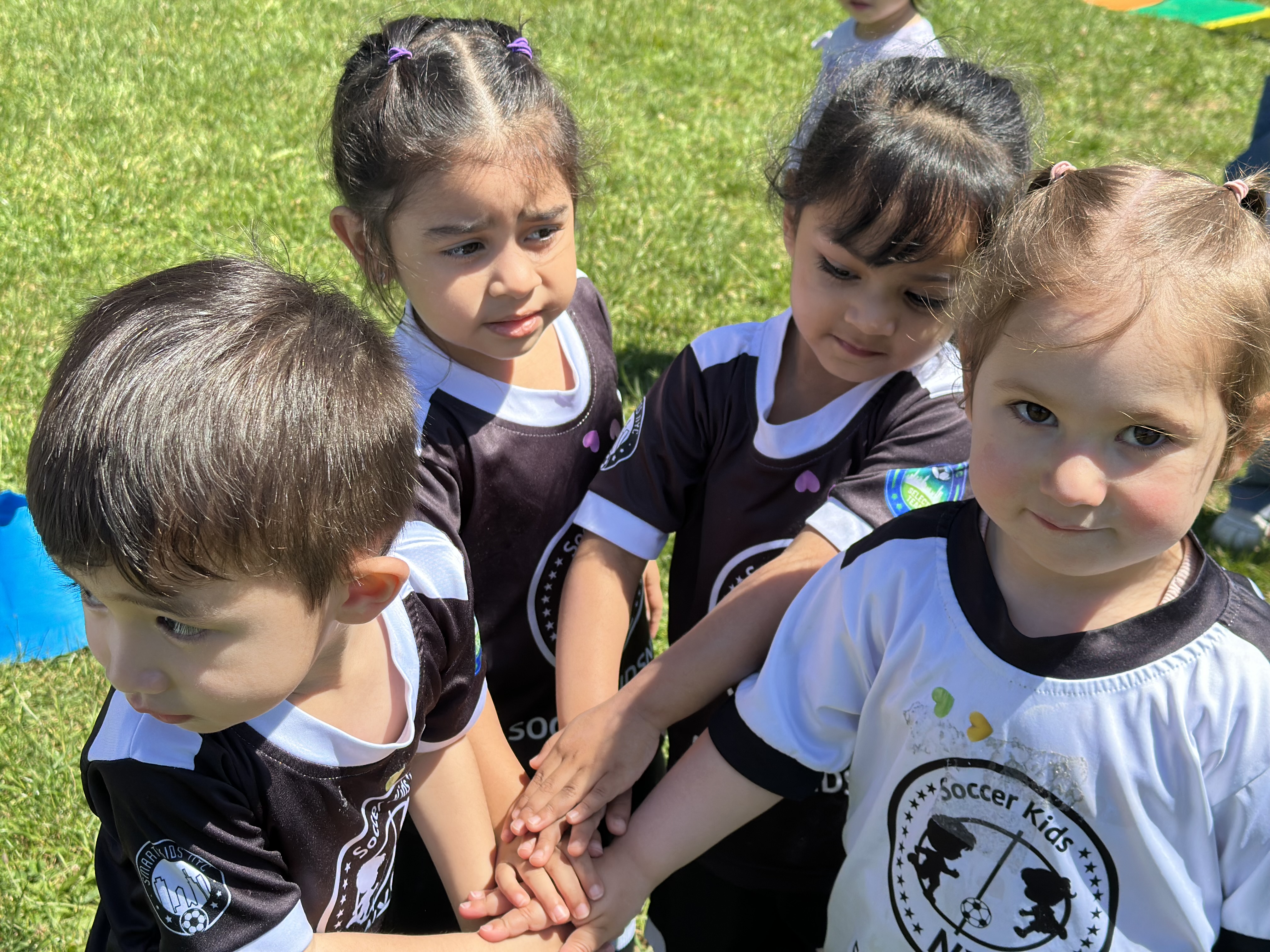 Two and three-year-olds in introductory soccer at John Golden Park in Bayside. Photo courtesy of Soccer Kids NYC
The United States hosting the tournament, along with a recent string of victories by the U.S. men’s national team, has boosted interest even further.
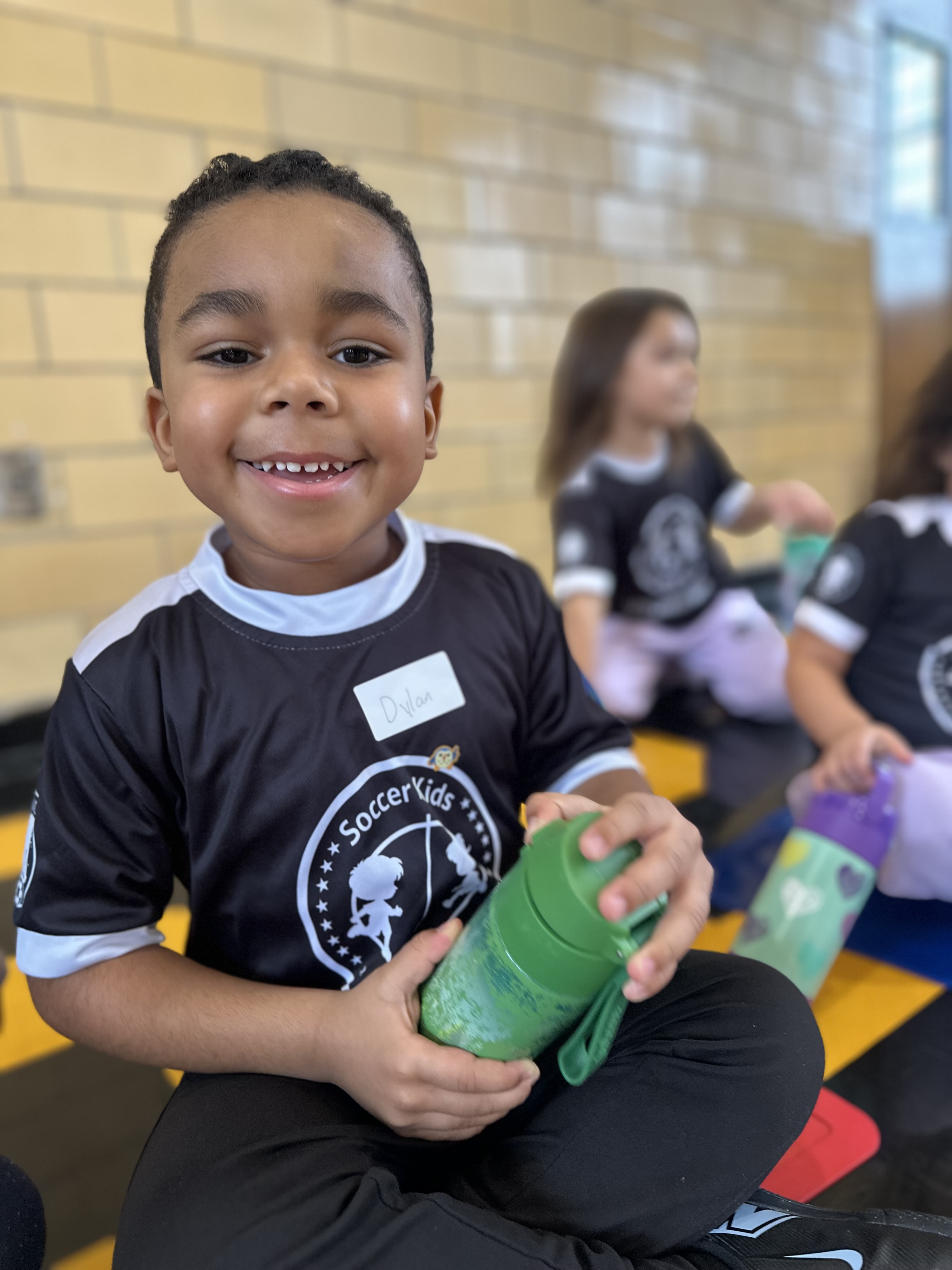 Photo courtesy of Soccer Kids NYC
“The fact that the World Cup is being hosted here,” he said, “that the finals will be hosted in New Jersey — for a program like ours, the interest has been tremendous.”
Good Morning America reached out to the organization about bringing families along as USA fans, and calls have poured in as soccer has become standard conversation in New York City among adults and children alike.
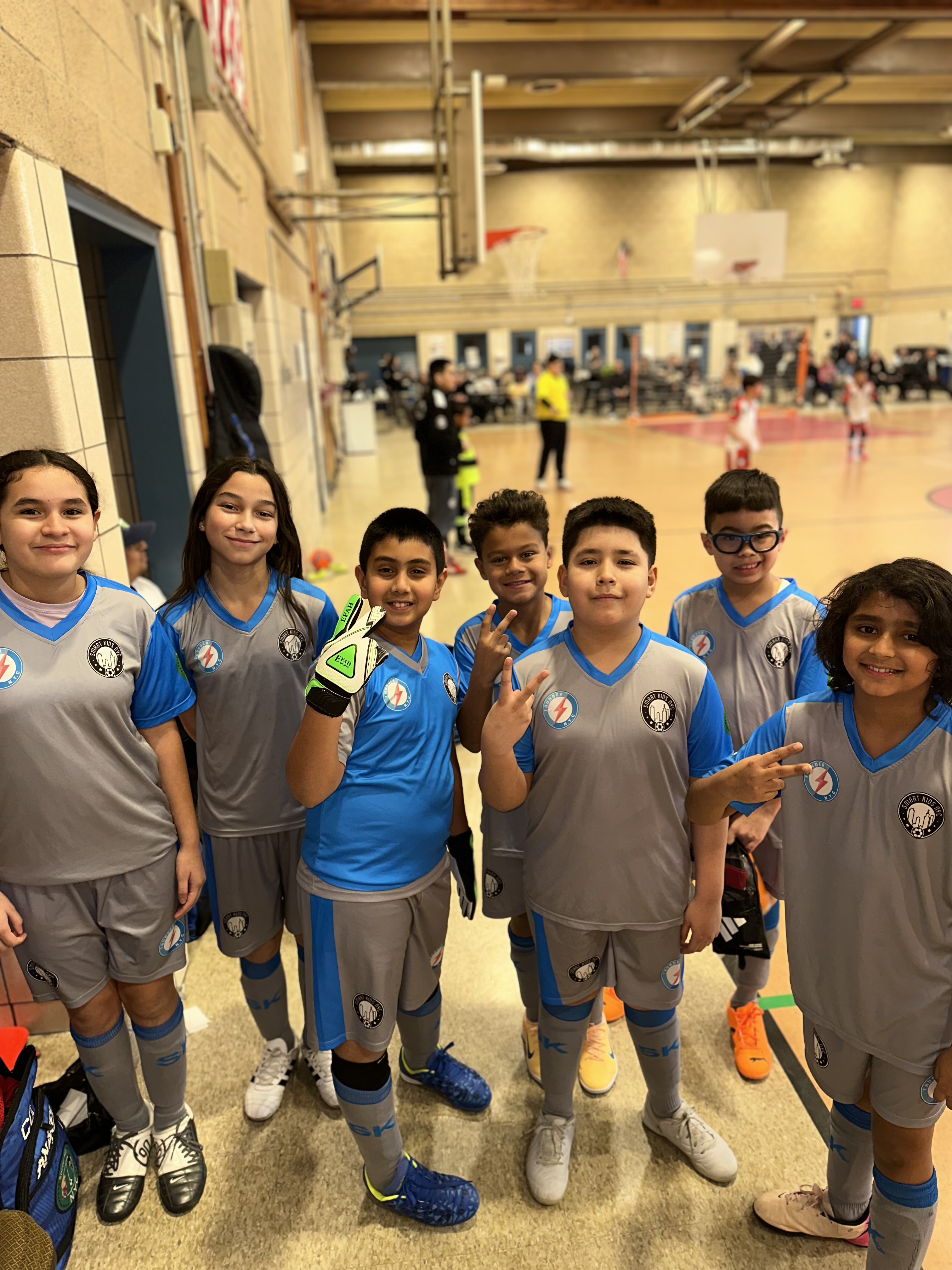 The U12 NYC Thunder intramural team at P.S. 229 in Woodside. Photo courtesy of Soccer Kids NYC
Soccer Kids NYC keeps class sizes to 12 children and can admit new players at any time, though some programs now have waiting lists.
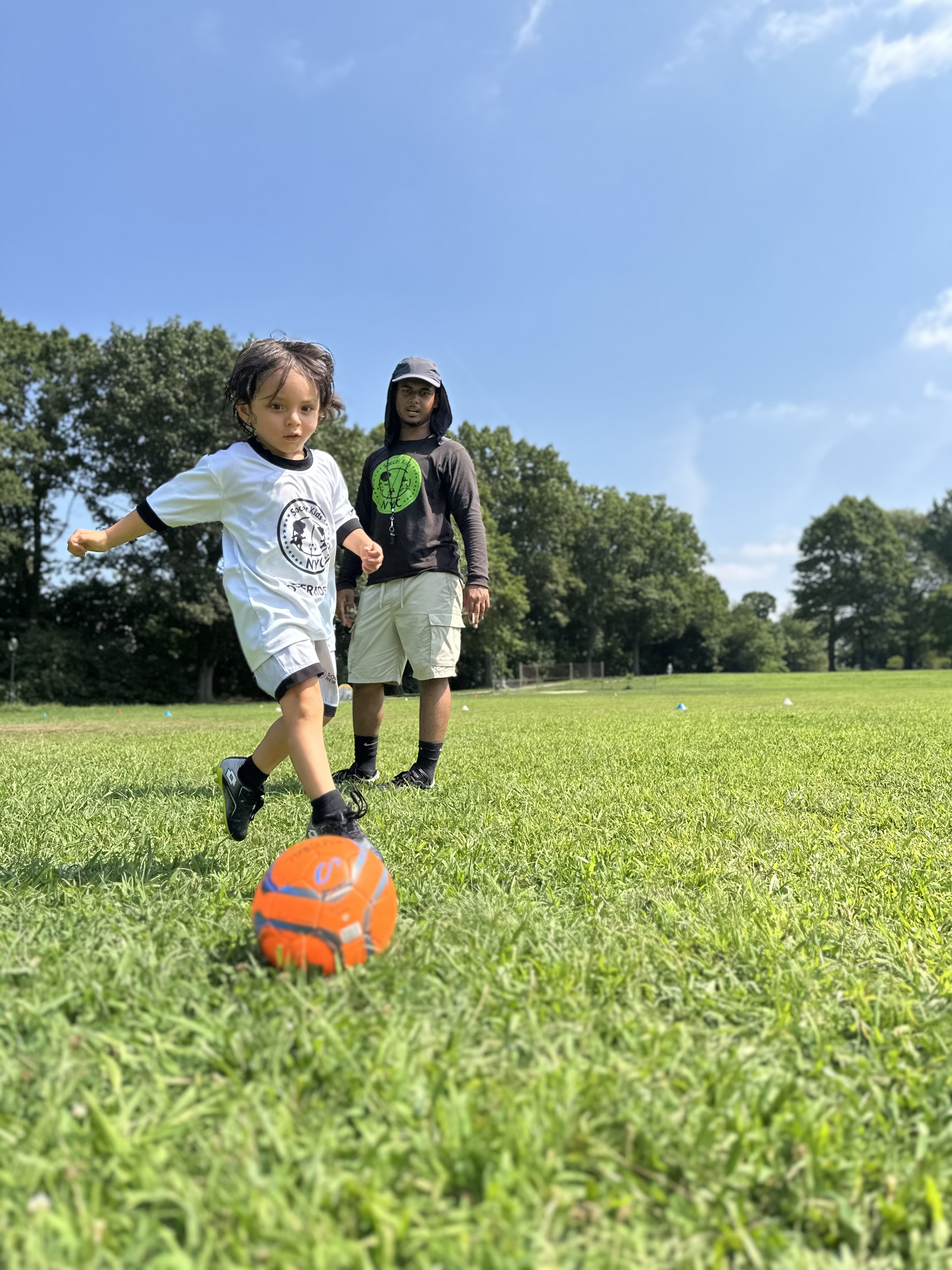 Four-year-olds playing soccer at Alley Pond Park. Photo courtesy of Soccer Kids NYC
Parents talk about the program as high points for their children, and something they look forward to doing. “My boys said they had the best time,” Melissa Lugo said of her children’s experience.
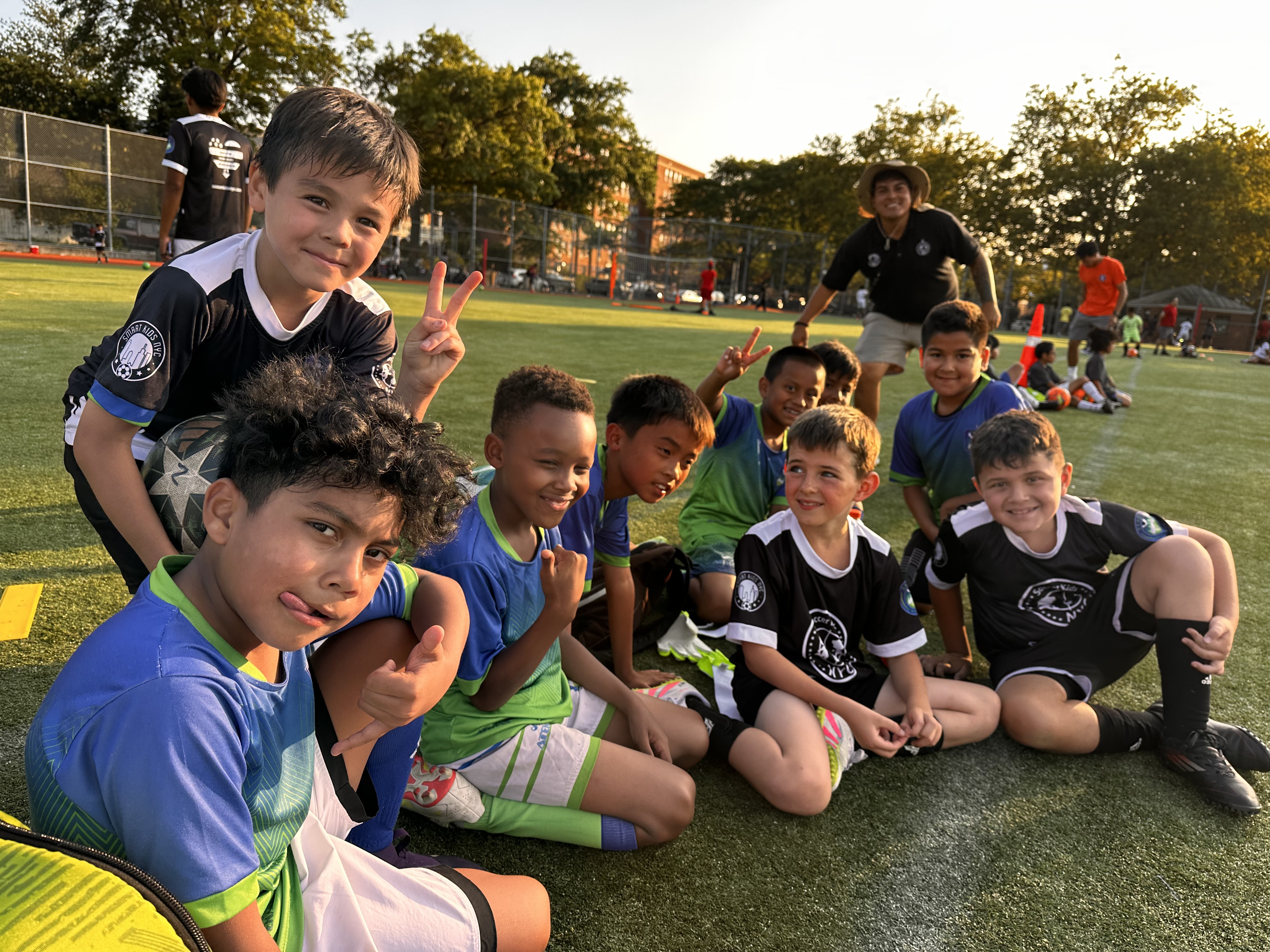 Travel players at the Joseph Austin Playground. Photo courtesy of Soccer Kids NYC
Tatiana Gentles praised the coaches and said her son “had an awesome time,” while Nicole Zaidi said her son Adam “met lots of new friends” in a program where children learn soccer skills, but also socialize.
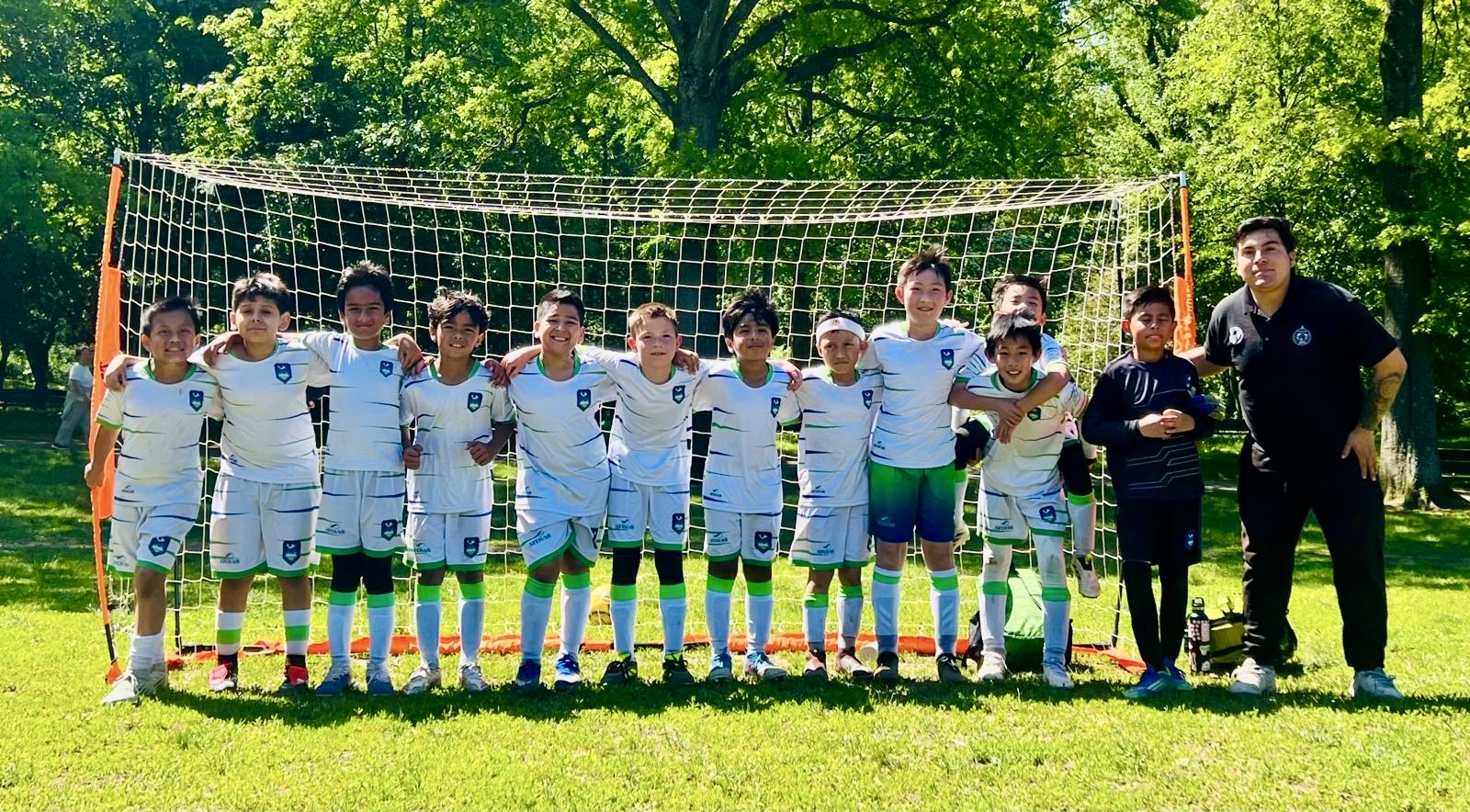 One of the U10 travel teams. Photo courtesy of Soccer Kids NYC
The organization runs programs in Bayside (various fields and parks), Fresh Meadows (Cunningham Park), Forest Hills (indoors at P.S. 144), Jamaica, Astoria, Maspeth, Middle Village and Howard Beach.
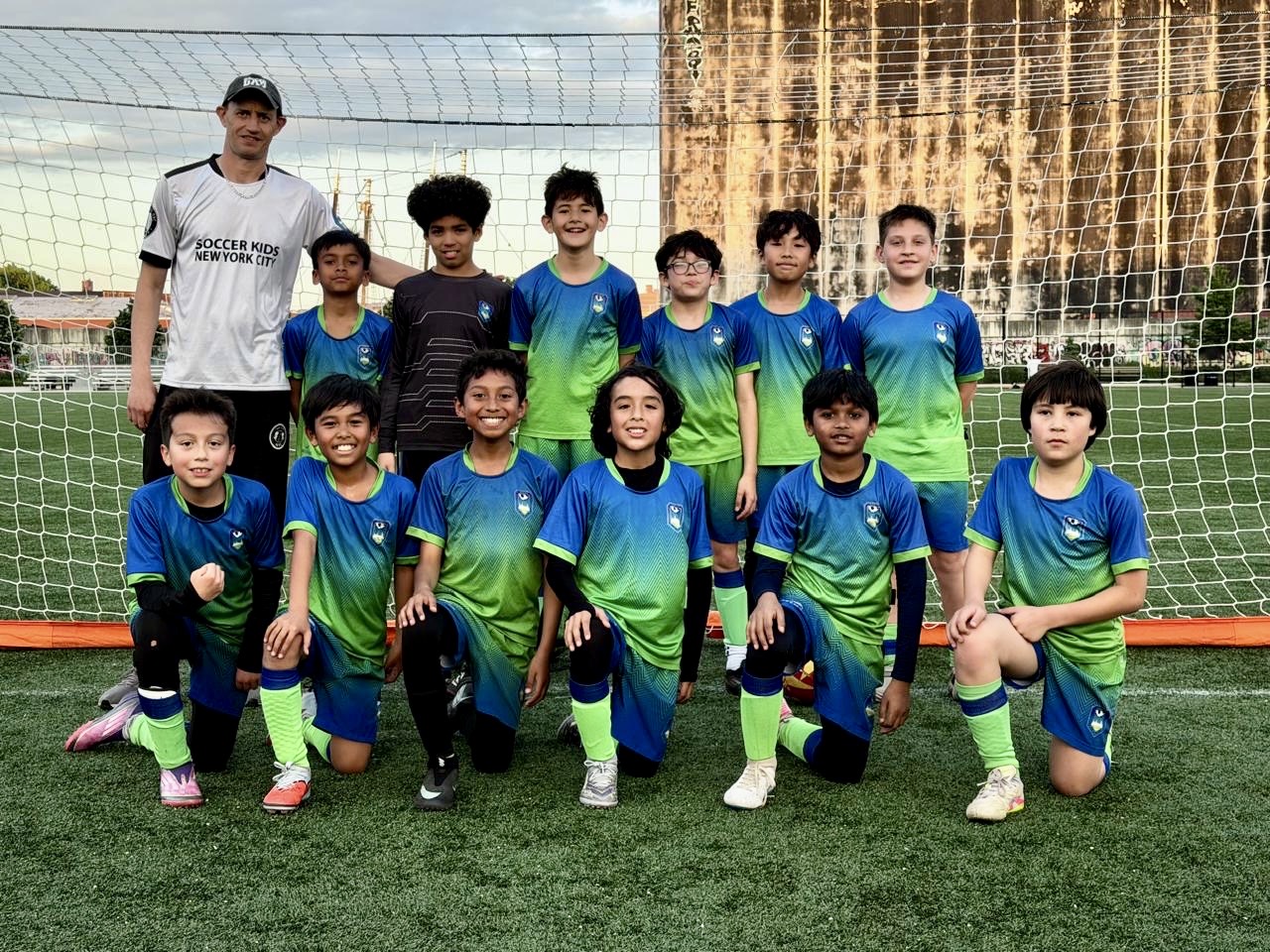 One of the U11 travel teams at Randall’s Island. Photo courtesy of Soccer Kids NYC
“We want to expand to Rosedale and South Ozone Park,” Canales said. “Those families are traveling to Bayside, Forest Hills and Astoria.”
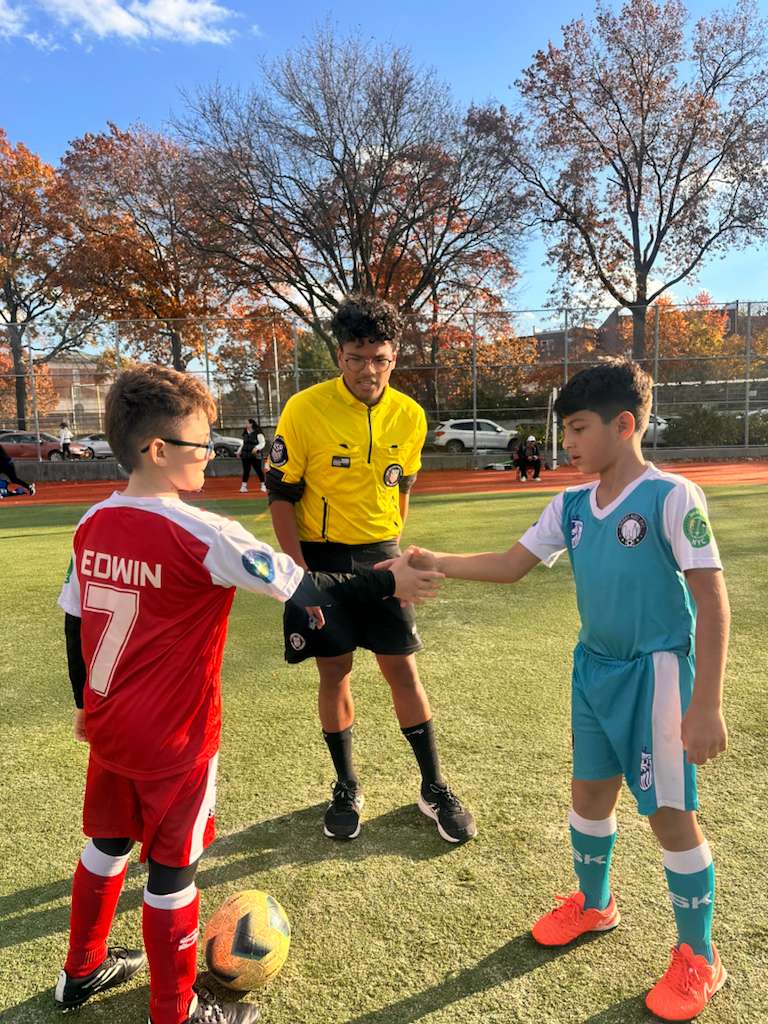 Team captains greet each other in a Soccer Kids NYC Intramural Soccer League match at Joseph Austin Playground in Jamaica. Photo courtesy of Soccer Kids NYC
Programs are available for children as young as two, focusing on movement, basic soccer skills and following instructions. Older children can play at the league level, with an elite travel level offered to players through age 14.
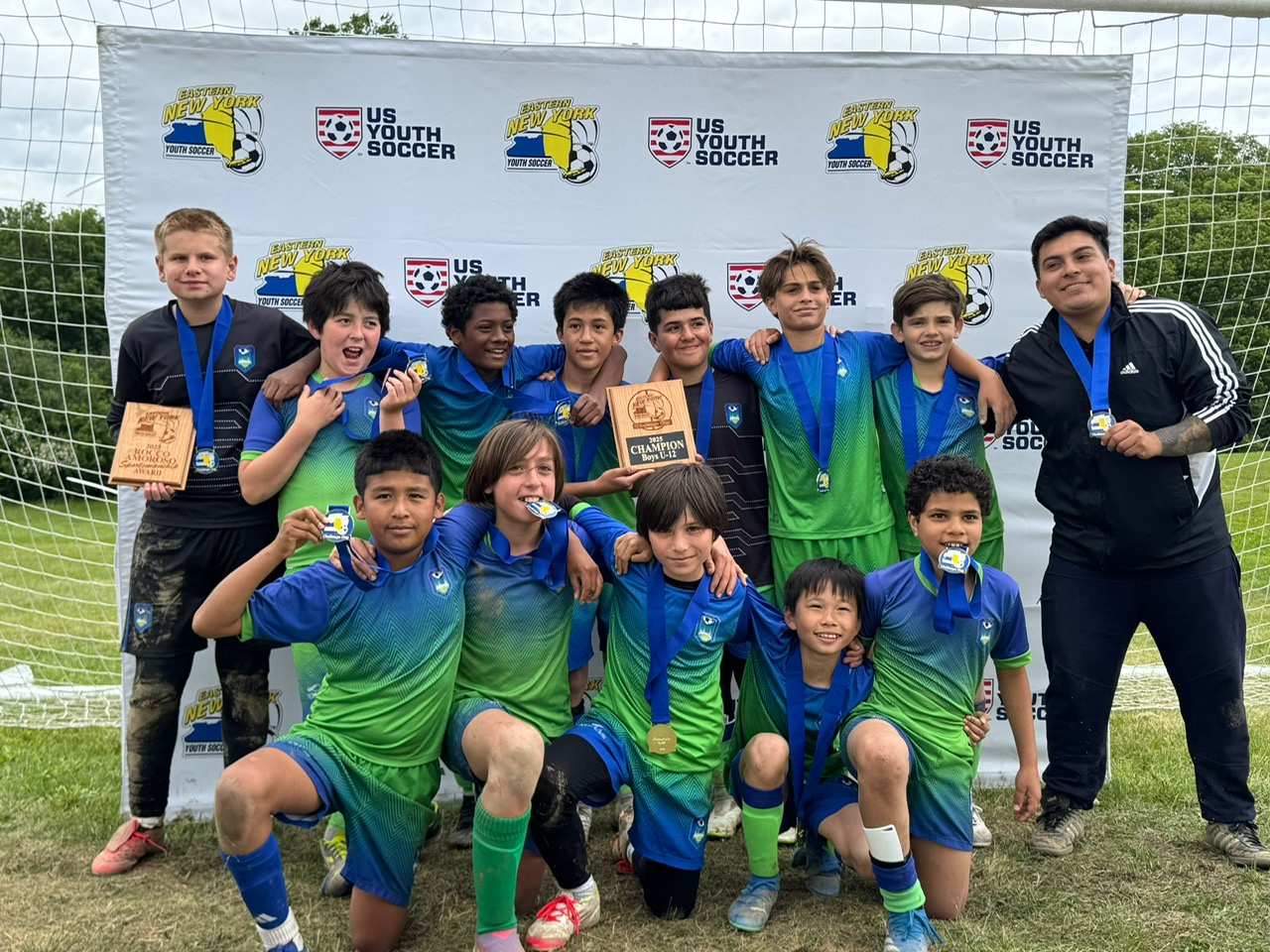 Soccer Kids NYC Select won the 2025 ENY Challenge Cup. Photo courtesy of Soccer Kids NYC
The Eastern New York Youth Soccer Association (ENYYSA), through the U.S. Soccer Association, is launching an initiative to bring soccer into schools, as legislators increasingly view soccer as a tool for team building and a youth sport.
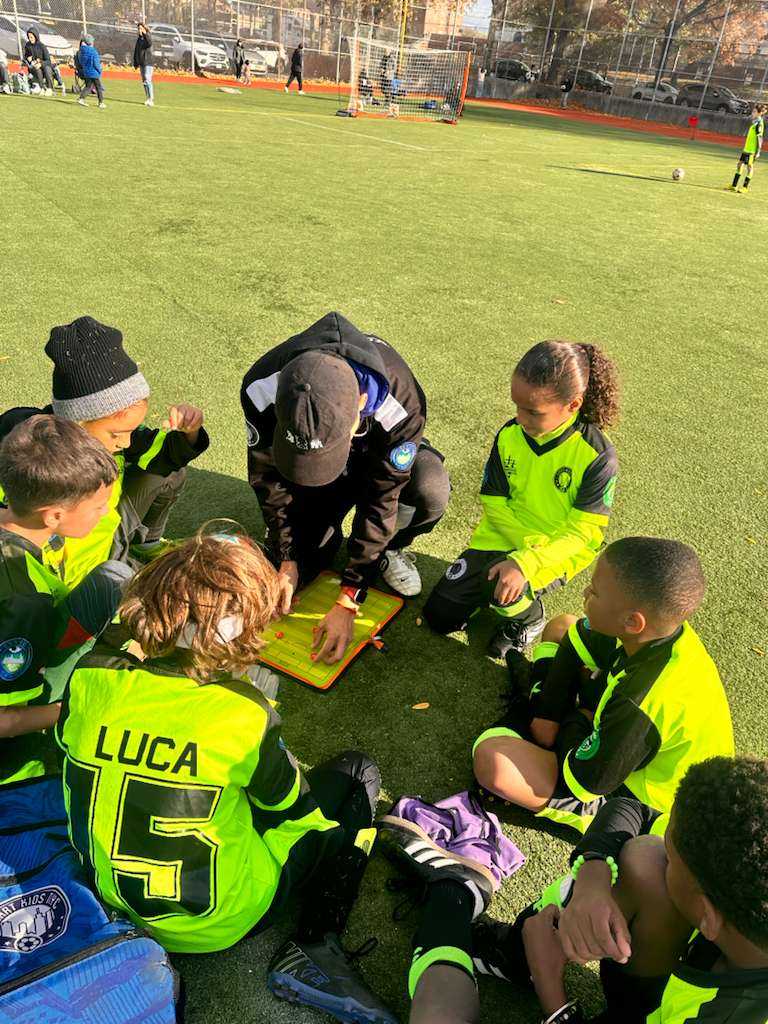 Photo courtesy of Soccer Kids NYC
“Local leadership is talking about soccer more,” Canales said. “We have families driving in from different boroughs. In terms of the Parks Department, soccer permits were the biggest request for permits citywide.”
He added that “Soccer’s easy to jump into,” noting that the program serves both local residents and city visitors during the summer.
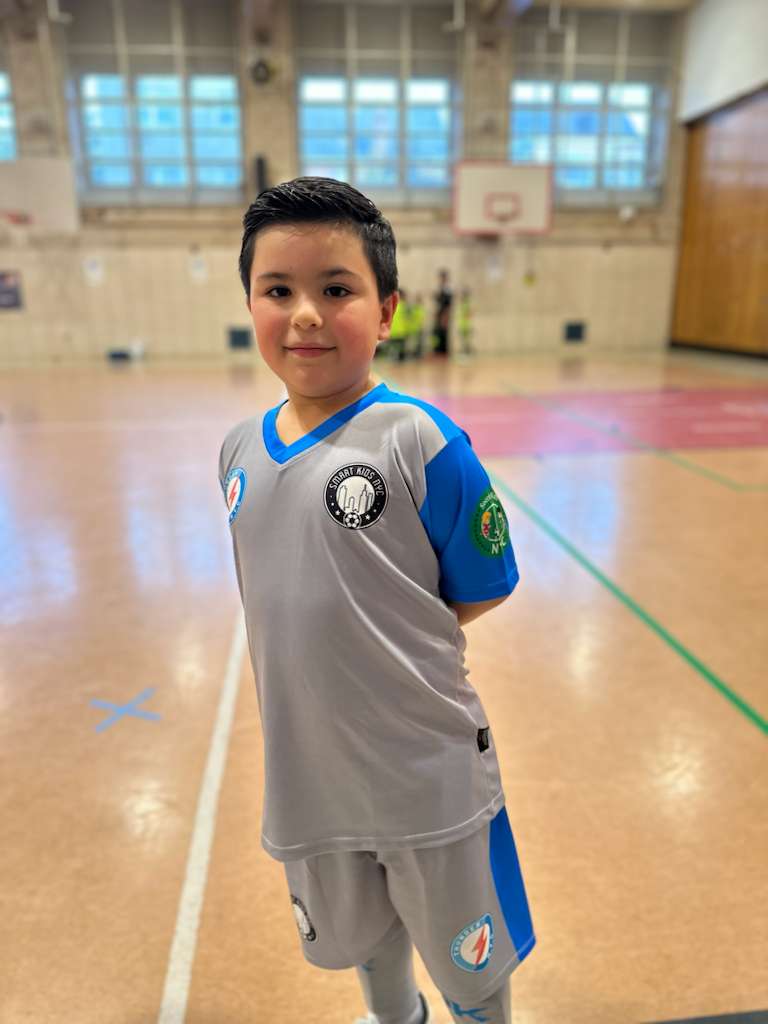 Photo courtesy of Soccer Kids NYC
Soccer Kids NYC set out to serve five schools per season, but now serves nine, including P.S. 288 in Brooklyn, Our Lady of Mercy in Forest Hills, Queens, and a Montessori school near the United Nations in Manhattan.
Although Soccer Kids NYC is a nonprofit, it currently receives no grants, in part because it doesn’t have a grant writer on staff.
“We don’t have state, city or federal funding. The only funding we get is through registration from families,” Canales said. “Soccer Kids NYC is a good program. We do right by the parents. If your kid has a level, we want to push your kid to the next level. Our focus is on the best soccer experience.”
He said the organization doesn’t “cherry-pick” players, but instead works to find a place for everyone interested in playing, relying on more than 35 coaches and a first-come, first-served approach.
At the travel level, children compete against outside organizations in leagues such as the Cosmopolitan Junior Soccer League and the Elite Development Program.
“We do need funding,” Canales said, referring to travel soccer costs such as referees and transportation. “We want to bring this program to communities that need access to this sport.”
Soccer Kids NYC teams have won statewide competitions, and some of its players have gone on to academies affiliated with Major League Soccer teams.
“Many of our players have made that transition,” Canales said. “We’re successful at building up these high-level, skilled players.”
The program brings those players back to help monitor and mentor the next generation of potential professional talent.
The organization has also faced challenges, including more training cancellations this summer than last summer due to excessive heat.
“We keep body temperatures cool with water, but we have guidelines,” he said. “If it’s too hot, we don’t train.”
Canales believes it’s important to involve young people in soccer, noting that the cost of World Cup tickets makes it difficult for most children to attend games in person.
“If we want to change soccer in this country, we want to expose it to children playing the sport,” he said.
Soccer Kids NYC has previously partnered with the New York City Football Club of Major League Soccer, with children holding flags, giving players high-fives and serving as player escorts.
While the World Cup has given soccer a boost, it has also occasionally pulled coaches and children away from practice for professional games.
“Some of our coaches volunteer for the FIFA World Cup,” Canales said. “We let them prioritize those experiences. They call in advance.”
Some players miss training because they want to watch a World Cup game — something Canales sees as simply a love of the sport.
“It affects attendance at training. We make adjustments just like everybody else,” Canales said. “Our goal is to teach this awesome game.”
Canales sees soccer as more than a sport — something that provides health, pleasure, satisfaction and skill.
“If we want to grow interest in the sport, we need to give children and families access to it,” Canales said. “For me, it’s a mission — to bring the sport to all these communities.”