
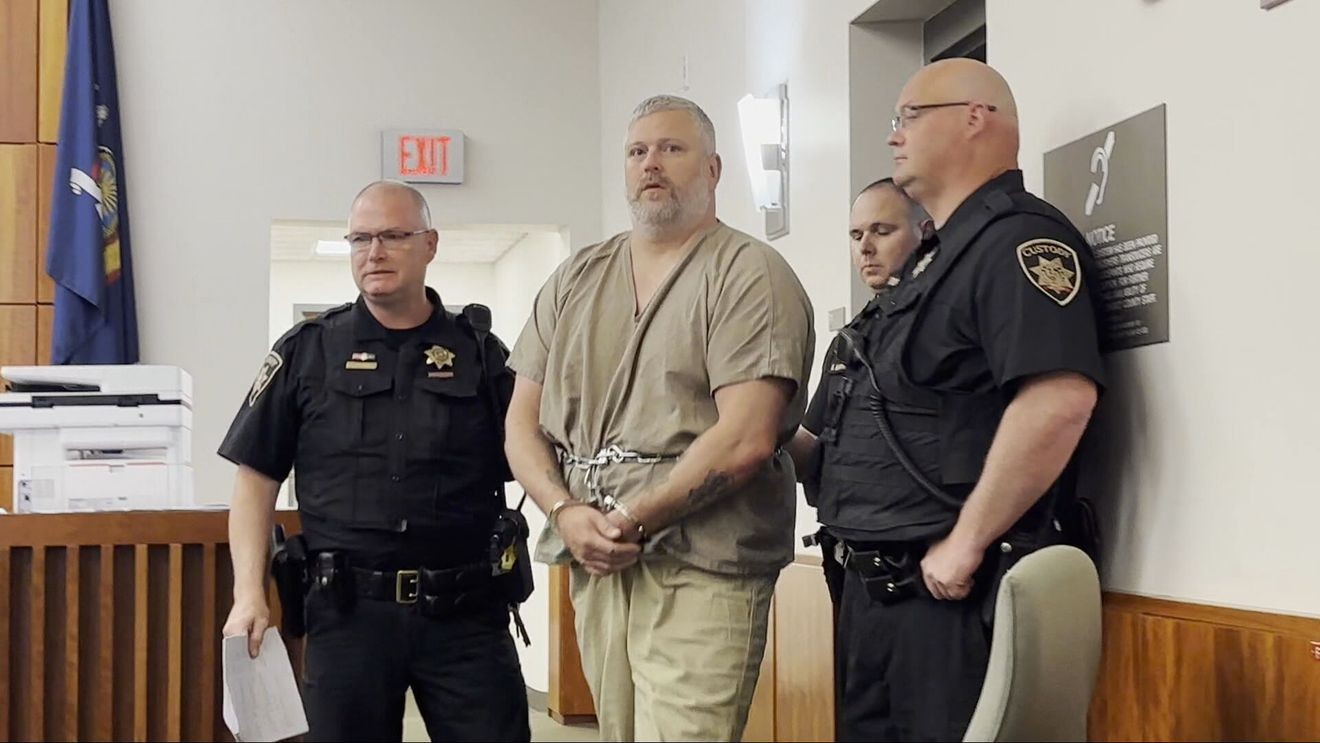
SYRACUSE, NY — The arrest of James DeSantis, a Syracuse Department of Public Works employee has raised questions about what rules registered sex offenders must follow in New York — including where they can live and what information is made available to the public.
DeSantis, a registered Level Three sex offender, was arrested on charges including attempted rape and luring a child.
The case has also drawn attention to New York’s Sex Offender Registration Act and what many people may not know about the state’s registration requirements.
One of DeSantis’ neighbors said she had little contact with him after learning he was listed as a Level Three sex offender on New York’s registry.
“So he moved in October and I only had one interaction with him by just waving hello, and then I found out his designation on the sex offender registry and decided I never wanted to speak to this man in person. So I never had any interactions with him outside of that.”
The neighbor also expressed their concerns of learning someone listed as a Level Three offender could legally live near a school.
“I was absolutely surprised that he could be living in the vicinity of any schools, especially K-8 schools…”
According to the New York State Division of Criminal Justice Services, there are three sex offender risk levels in New York.
A judge assigns a risk level after a court hearing based on factors used to determine the likelihood of reoffending.
Level One: Low risk
Level Two: Moderate risk
Level Three: High risk
Those classifications affect how long someone must remain registered and what information can be made available to the public.
New York law does not create a statewide rule that prevents all registered sex offenders from living near schools.
Here’s how New York’s sex offender registry works:
Under New York’s Sex Offender Registration Act, registered offenders are required to provide certain information to the state, including address information and, in some cases, employment information.
New York uses a community notification system to provide information to the public based on an offender’s risk level.
The state’s online sex offender registry includes Level Two and Level Three offenders. Publicly available information can include a person’s name, photograph, address information, risk level, and offense information.
Failing to follow registration requirements can result in additional criminal charges.
The New York State Sex Offender Registration Act outlines the responsibilities of the Division of Criminal Justice Services, including maintaining the registry and providing information to the public as allowed under state law.
The agency noted its role is to follow the requirements established by the Legislature.