
The most important lesson we’ve learned in our time at the MTA is that accessibility is never about a single thing. It’s not just an elevator, a ramp, a boarding area, or a sign. It’s about whether people feel the system was built with them in mind.
As we mark the 36th anniversary of the Americans with Disabilities Act, we reflect on how much our understanding of accessibility has evolved. The ADA taught us about access; the work ahead is about belonging.
Access remains fundamental. If someone cannot enter a station, board a bus, or navigate the system independently, they’re effectively shut out. Generations of advocates fought to ensure that access was recognized as a civil right, and their work transformed our transit network.
But belonging asks a different question: not just “Can you use the system?” but “Was it designed for you?”
Over the last five years, under Governor Kathy Hochul, MTA Chair Janno Lieber, and the MTA leadership team, accessibility has become one of our defining priorities. We’ve accelerated station investments, expanded community partnerships, and embraced innovation in ways reshaping the rider experience.
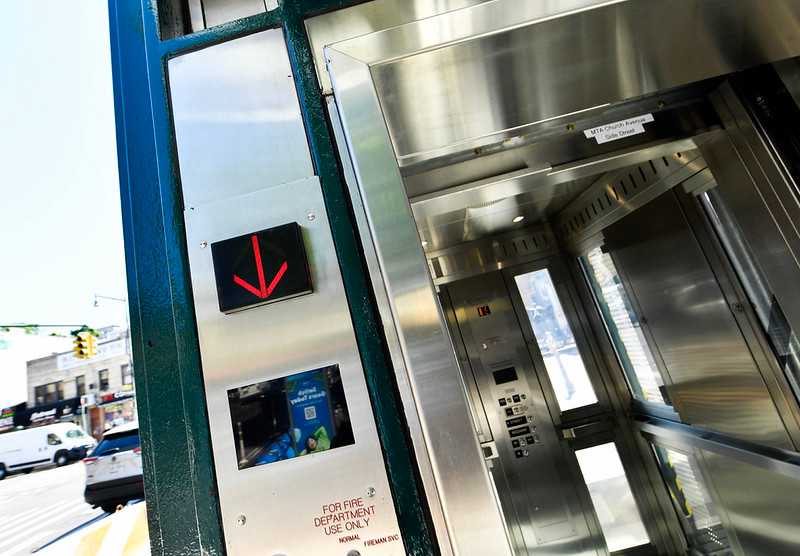
Elevators remain critical, and we’re installing them faster than ever. Programs like Zoning for Accessibility help us deliver them more quickly, while in some locations private sector partners pay the cost. But accessibility cannot begin or end with elevators: it exists across an entire journey.
That’s why we’ve modernized fare payment through OMNY, which reduces friction and creates a more intuitive experience for riders. It’s why we piloted Convo, enabling real-time sign language interpretation, and why NaviLens now provides independent wayfinding for blind and low-vision riders with benefits for tourists and non-English speakers alike. The disability community has always taught us that accessibility improvements become universal improvements.
This principle guided newer efforts like the Open Stroller Program, creating dedicated spaces on buses so parents and caregivers can travel more easily. It reflects a deeper belief: transit should adapt to the realities of people’s lives.
The new MTA app now offers real-time elevator and escalator alerts, accessible station information, and personalized notifications — giving riders better tools to plan trips with confidence before they ever leave home.
Belonging now guides our work. It shapes how we design services, engage communities, and measure success. Because the goal isn’t merely removing barriers – it’s creating a system where every rider feels welcome and included.
As we celebrate Disability Pride Month, we honor the progress made and the work ahead. And we invite New Yorkers to join us in that conversation at the NY Transit Museum’s 2026 Accessibility Event online July 21, where we’ll explore the next chapter of what true belonging in transit can look like.
Mr. Arroyo is the MTA’s first-ever Chief Accessibility Officer and Ms. Rieara is Chief Customer Officer.