
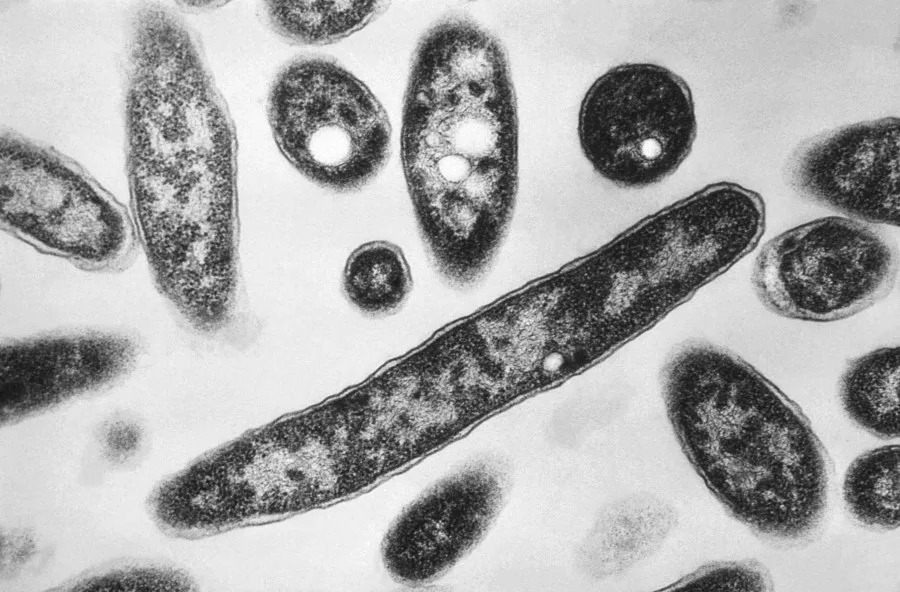
NEW YORK CITY (PIX11) — There have been 59 positive cases and no deaths linked to the Legionnaires’ outbreak in New York City as of Sunday, according to the NYC Health Department.
The city has tested more than 180 cooling towers across three ZIP codes on the Upper East Side.
A preliminary list identified 31 buildings with cooling towers have tested positive for the Legionella bacteria during initial screening, as part of the ongoing investigation by the city’s health department.
The outbreak has left many residents concerned about their health as the investigation continues.
Here’s what they should know about the outbreak and how officials are working to trace its source.
Concerning UES Legionnaires’ cluster prompts another town hall
How did it spread?
Officials say they hope to complete additional testing over the next few days to determine the exact source of the outbreak, including when and how exactly it began.
City officials say their immediate priority now is stopping any further exposure by rapidly identifying and cleaning and disinfecting cooling towers that may contain the bacteria.
Cooling towers release mist into the outside air and have been identified as a source of community outbreaks of Legionnaires’ disease in the past, according to the NYC Health Department.
On July 2, two confirmed Legionnaires’ disease cases in close proximity on the Upper East Side prompted a large‑scale investigation in the neighborhood.
What is Legionnaires’ disease and how do people get sick?
Legionnaires’ disease is a type of pneumonia caused by the Legionella bacteria and it is not contagious and cannot be spread from person to person, according to health officials.
A person cannot get Legionnaires’ disease by drinking water, cooking, or using air conditioning, the NYC Health Department says.
People become sick by breathing in water vapor containing the bacteria, for example, mist from contaminated cooling towers. Window air conditioners are not a risk.
Most people exposed to the bacteria do not develop Legionnaires’ disease. People who contract the disease usually get it by high repeated exposure, the NYC Health Department says.
The disease, in most cases, can be successfully treated with antibiotics, according to health officials.
What are the symptoms related to Legionnaires’ disease?
Legionnaires’ symptoms are similar to Influenza (the flu), and can include fever, chills, muscle aches, or cough.
You are at increased risk for Legionnaires’ disease if you:
Have chronic heart, lung, kidney, or liver disease or diabetes
Have a weakened immune system
Complications from the disease can be serious and even fatal if left untreated, according to health officials.
The NYC Health Department advises anyone who has been in the affected neighborhoods or ZIP codes and is experiencing fever, chills, muscle aches, or cough to seek medical care right away.
Nicole Alarcon is an award-winning digital content producer. She has covered local news for the tri-state area since 2021. She joined PIX11 News in 2026. See more of her work here.
Copyright 2026 Nexstar Media, Inc. All rights reserved. This material may not be published, broadcast, rewritten, or redistributed.
For the latest news, weather, sports, and streaming video, head to PIX11.