
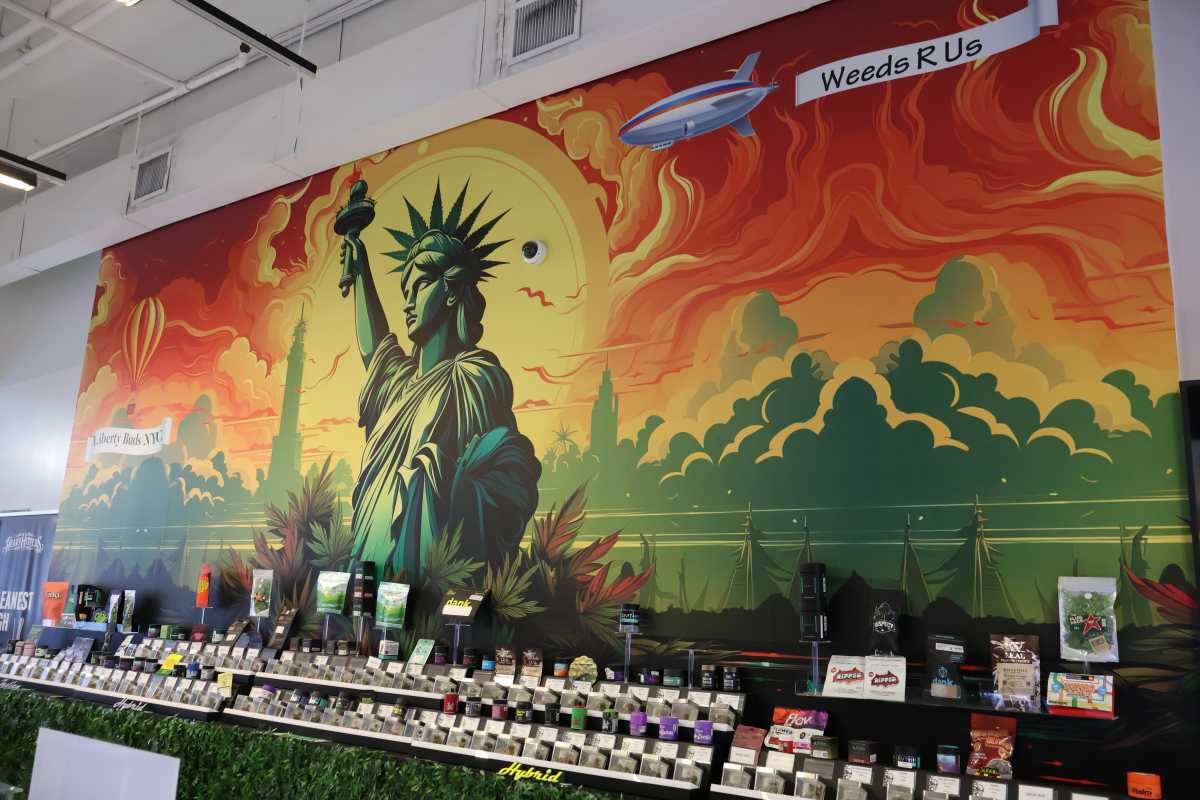
New York legalized adult-use cannabis in 2021 with a promise attached: that the communities most devastated by the War on Drugs would be first in line to benefit from the industry it created. Five years later, that promise remains only partially kept.
Licensing backlogs, litigation, predatory capital, and a market still tilted toward those with the deepest pockets have left many of the Black and Brown entrepreneurs, advocates, and workers who built this movement on the outside looking in.
The Black Institute isn’t waiting on the state to catch up. On behalf of our Social Equity and Racial Justice Project, we’re proud to return this year with the third annual Canna Ball NYC an event built on three simple, non-negotiable commitments: educate, provide oversight, and build a trusted network.
Why this work matters
The cannabis industry didn’t spring up on its own. It was built, brick by brick, by people who kept the culture alive during the decades when possessing what’s now sold in a storefront could mean a felony, a lost job, a broken family, or worse.
Black and Brown New Yorkers bore the brunt of that enforcement disproportionately, even as national data showed usage rates were comparable across racial lines. That history is not a footnote; it’s the entire reason “social equity” exists as a policy goal in the first place.
But policy goals don’t enforce themselves. That’s where oversight comes in. The Black Institute’s role is to watch the rollout of legalization closely, hold agencies and licensees accountable to the equity commitments written into law, and make sure the people this industry was supposed to lift up aren’t quietly squeezed out by the same systemic barriers to access to capital, real estate, and networks that have shut Black entrepreneurs out of other industries for generations.
None of that works without education and connection. Entrepreneurs need to understand licensing, compliance, and how to run a sustainable cannabis business. Advocates need each other to be effective. That’s why building a trusted network isn’t a side benefit of Canna Ball NYC; it’s the point.
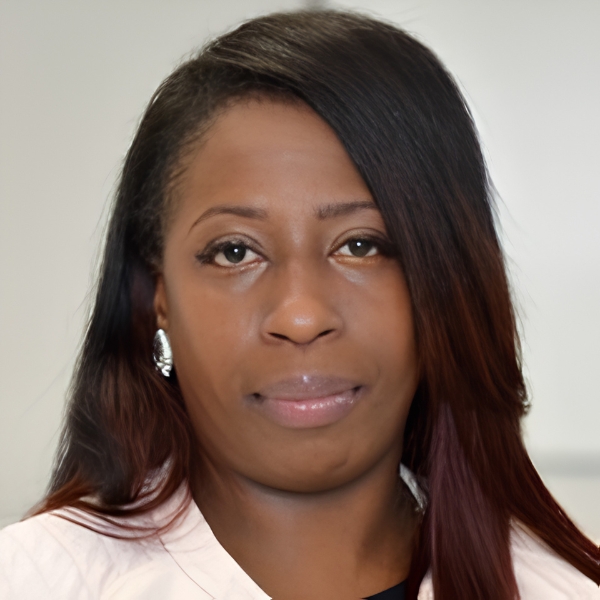 Tuulikki Robertson is the executive director of The Black Institute, Social Equity and Racial Justice Project, the group behind Canna Ball NYC.
This year’s honorees
Canna Ball NYC has always been about more than a gala, it’s about naming names and giving flowers while people can still smell them. This year, we’re honoring individuals who represent every layer of this industry’s fight for equity:
Assembly Member Crystal People-Stokes NYS Pioneer Honorees: Tosin Ajayi, Senior Policy & Research Analyst at Cannabis NYC, whose policy leadership continues to shape what equity looks like on paper and who we’re counting on to help make it real in practice.
Legacy Honoree: Corey Banzy, a Legacy-to-Legal Tier 3 brand operator representing Harlem, whose journey embodies the transition this whole movement is meant to make possible.
Trailblazer Honoree: Leanne Mata, founder of Matawana and one of New York’s pioneering Black women cannabis business owners.
Black Excellence in Cannabis Honoree: Arian Walker, a widely respected budtender and advocate on the front lines of the industry every day.
Industry Honorees: Terrence Coffie and Jamil Myrie, of the Cannabis Justice & Equity Initiative, nationally recognized advocates driving restorative justice, policy reform, and equitable participation across the industry.
Each of these honorees has, in their own way, done the work of making sure this industry doesn’t forget where it came from.
New this year, Canna Ball NYC will open with a Happy Hour showcase reserved exclusively for Black-owned cannabis brands and businesses, a chance to put products, services, and stories in front of a room built to support them, ahead of the main event. Any Black-owned cannabis business is welcome to take part. This is deliberate: representation in a room is not the same as opportunity in a market, and we intend to offer both.
If New York State won’t fully recognize the people who kept this culture alive through prohibition and are now trying to build something legitimate from it, The Black Institute will. Canna Ball NYC is our way of saying that the contributions of Black and Brown entrepreneurs, the ones most harmed by decades of drug enforcement, will be documented, celebrated, and supported, with or without a permission slip from the institutions that are still catching up.
Early bird tickets are available now through the end of August, and sponsorship opportunities are open for organizations that want to stand behind this work in a real way. For more information, tickets, sponsorship or media, visit theblackinstitute.org or email info@theblackinstitute.org.
Tuulikki Robertson is the executive director of The Black Institute, Social Equity and Racial Justice Project.