
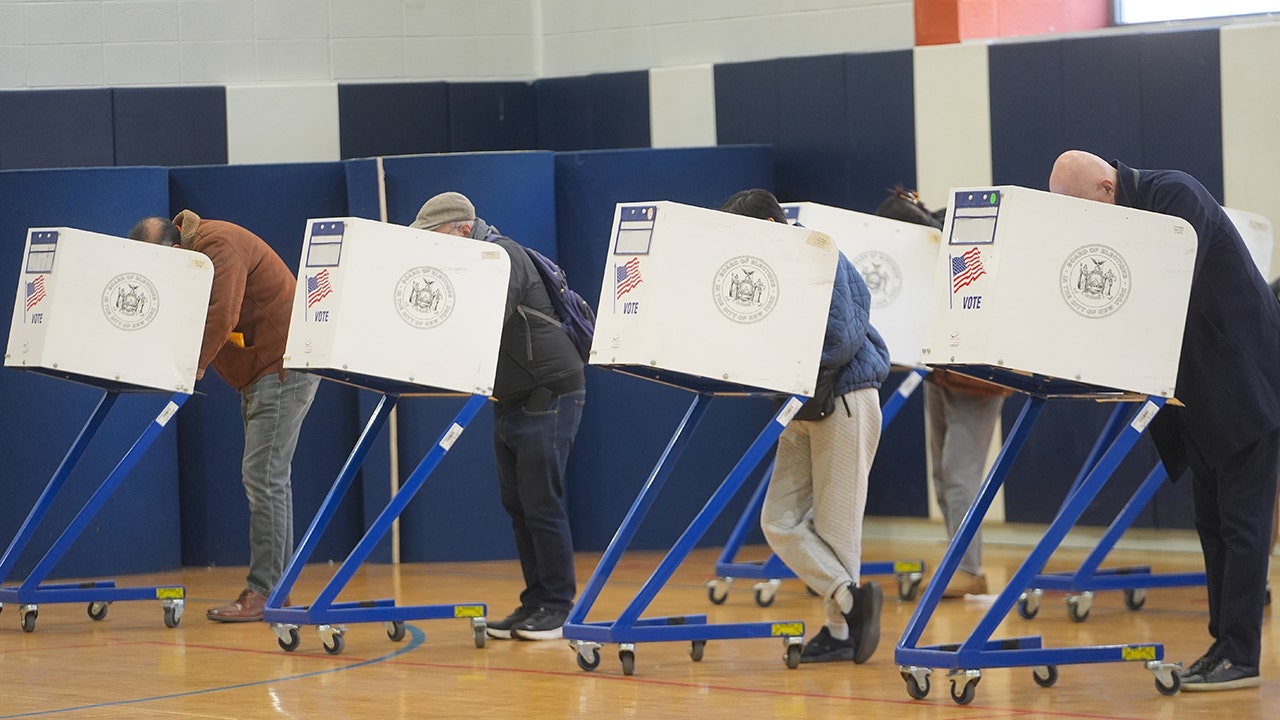
NEW YORK CITY – New Yorkers voted “yes” on four major ballot proposals – Propositions 2, 3, 4, and 5 – signaling broad support for streamlining housing development, improving city planning, and modernizing government operations.
Ballot proposal election results Proposition 2: Fast-Track Affordable Housing Approval
Local perspective:
Voters approved a measure to speed up the approval process for affordable housing projects, particularly in areas that have produced the least affordable units. The new system allows certain proposals to move more quickly through the Board of Standards and Appeals or the City Planning Commission, while still including Community Board input. Supporters say the change will help address the city’s ongoing housing shortage.
Proposition 3: Simplify Review of Modest Housing & Infrastructure Projects
With Proposition 3 passing, smaller housing and infrastructure projects will face a shorter, more efficient land-use review process. The City Planning Commission will now have final approval authority on modest projects, instead of requiring a full City Council vote. Advocates argue this reform will speed up climate resilience and small-scale housing improvements.
Proposition 4: Create an Affordable Housing Appeals Board
Voters also backed the creation of a three-member Affordable Housing Appeals Board, consisting of the City Council Speaker, the local Borough President, and the Mayor. The board will review cases where affordable housing projects are rejected or significantly changed, offering a new avenue for appeal and oversight intended to reduce political gridlock.
Proposition 5: Create a Digital City Map
New Yorkers approved Proposition 5, which directs the Department of City Planning to consolidate and digitize the city’s mapping systems into one centralized platform. The move replaces the current patchwork of separate borough-level maps, aiming to improve accuracy, transparency, and coordination across city agencies.
Dig deeper:
Together, the four measures represent a push toward faster housing development, more coordinated planning, and a modernized city infrastructure system, reflecting voters’ appetite for efficiency in how New York City grows and governs itself.