
BOROUGHWIDE — June’s surge in Democratic Socialists of America victories has created an unusual political paradox in the ongoing battle to take over one of the nation’s most influential Democratic organizations.
While reform-aligned candidates built momentum inside a party they have spent years critiquing, creating a dramatic shift, Borough President and New Kings Democrats Founder Antonio Reynoso did not benefit from the same energy, soundly losing a congressional race to DSA Claire Valdez.
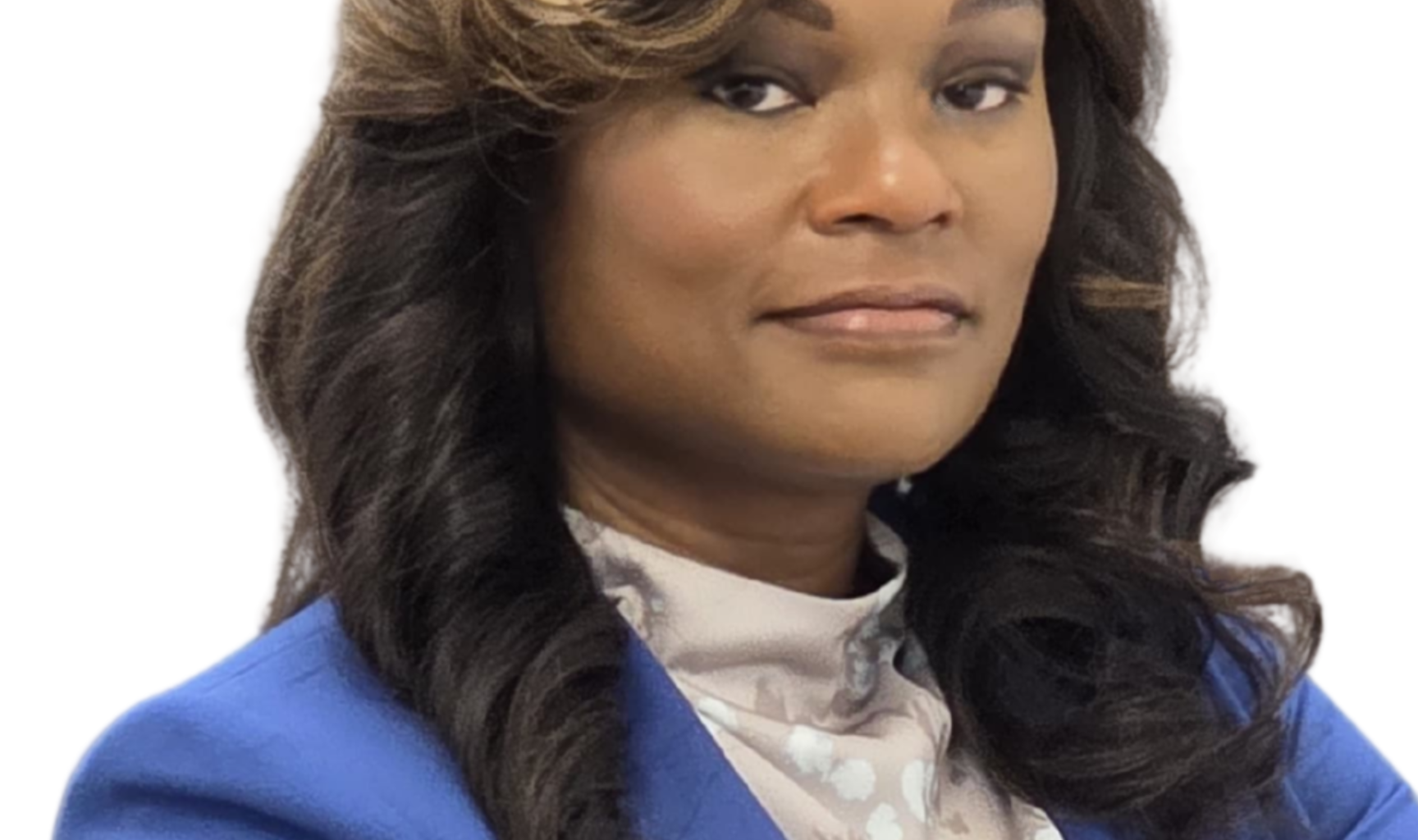
The new landscape still raises the burning question: Will Rodneyse Bichotte Hermelyn — the first woman, Black woman and Haitian American to lead the party and a reformer herself — want to remain chair?
The winner will not just lead a local county organization
The party represents more than 1.2 million Democrats across America’s most diverse borough, combining grassroots power — such as District Leader and County Committee seats — with the upper echelons of Democratic politics, from judicial nominations to state and citywide elections, to national figures rooted in Brooklyn’s political orbit.
Bichotte Hermelyn’s ability to combine grassroots reach and gain institutional power has made Brooklyn Democratic politics bigger, more visible and more competitive.
“For generations, Brooklyn had a clouded legacy. With our political power perceived as being built behind backrooms through patronage,” Bichotte Hermelyn said. “Over the past decade, we did not just become more visible, inclusive, equitable and transparent — we became sexy.”
Carrying the analogy further, current leadership in the Brooklyn Democratic organization continually faces this question: How do pious reformers responsibly lead a party they have long criticized, especially now that it’s become “sexy?”
Reformers have run on a rhetoric that casts Brooklyn’s Democratic organization as insider-driven and disconnected from everyday voters. “Nothing could be further from the truth,” said Bichotte Hermelyn.
Bichotte Hermelyn added, “All of my allies — even including some of the DSA members who support my leadership — argue that even though I inherited that old stigma, I was able to radically transform the party over the past six years.”
Supporters say the party was bolstered by strong financial stability, increased visibility, broader inclusion and a party central to national Democratic politics.
“The more relevant the party became, the more valuable it was to control,” added Bichotte Hermelyn.
Reformers argue the county organization still holds too much influence over judicial politics, candidate support and internal party structure. Meanwhile, current supporters cite the leader’s changes increasing transparency. As the New York Law Journal reported, Brooklyn led New York in transforming judicial elections by “adding another layer of review for the potential nominees” and creating a community-first approach.
‘The Iowa of New York politics’
Since 2020, Brooklyn has become a proving ground in New York Democratic politics. One party insider called Brooklyn “the Iowa of New York Democratic politics,” but Bichotte Hermelyn said, “the stakes extend far beyond internal party politics.”
New York’s general election is approaching on Nov. 3, with Gov. Kathy Hochul seeking reelection and Republicans looking for openings on affordability, crime and Democratic infighting.
Brooklyn is home to House Democratic Leader Hakeem Jeffries and Senate Democratic Leader Chuck Schumer, and the party is a political foundation from which national Democrats are expected to fight, govern and win.
“Are reformers trying to dismantle ‘the machine’ or inherit the party that I rebuilt and reformed?” Bichotte Hermelyn asked.
“I welcome more reform … because I drastically reformed the party,” Bichotte Hermelyn continued. “But reform does not just mean replacing elected leaders. Real reform means real representation, transparency, accountability and respect for the communities that make up Brooklyn.”
To Bichotte Hermelyn, embracing the borough’s diversity became “the party’s strength,” while others “shied away from a management problem.”
“Campaigning against a machine is one thing. Governing a coalition fairly is another,” she added.
The successor bears responsibility for steering a stable, nation-leading organization, and that responsibility includes balancing the vastly differing needs of Brooklyn’s diverse stakeholders.
Demographics who call the party home hail from across the spectrum, including Black, white, Caribbean, Jewish, Muslim, Latinx, Asian, immigrants, LGBTQ+, progressive, moderate, working-class, union, tenant, homeowner, small business owners and “many more, all at once,” Bichotte Hermelyn said.
“If Democrats can build a coalition here, they can build one anywhere,” an insider said.
Even opponents concede that Bichotte Hermelyn made the Brooklyn Democratic Party more interesting, visible and equitable. Now, every Democrat seeking to shape the party’s future must prove they can keep it strong.
Whatever happens next, whoever leads the party in the future will be standing on the “sexy” structure Bichotte Hermelyn built.