
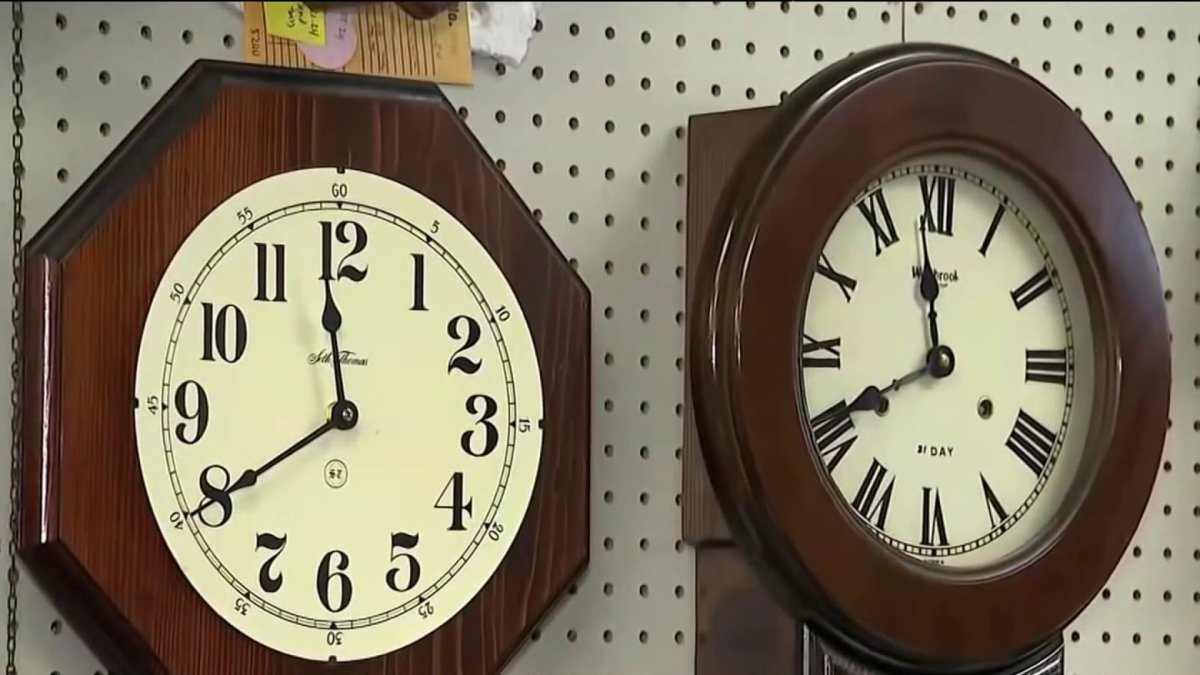
A bill passed by the House of Representatives could make Daylight Saving Time permanent, reigniting a long-running debate in New Jersey over whether the twice-a-year clock change helps farmers and families.
At Demarest Farms in Hillsdale, some farmers said the popular belief that Daylight Saving Time exists to benefit agriculture is outdated — and that shifting clocks can make their work harder.
“Actually that’s kind of a myth. Farming is so routine, so regular, you do it over and over and over. We’re more by sun and season versus time and clock,” said Jason Degise of Demarest Farms. “So the fluctuating is worse for us. We’re happy to have one consistent timeline.”
Degise said modern farming no longer depends on daylight the way it once did.
“As far as farming operations, coming in from the 1900s to now, we don’t need daylight to function anymore. We can function at night. For farming, we just want permanent daylight saving time,” Degise said.
The House’s action comes as New Jersey state Sen. Shirley Turner has pushed for a similar change at the state level, introducing bills dating back to 2019 to make the switch permanent, pending federal approval.
“It’s time for us to stop springing forward and falling back twice a year. And people want it” Turner said. “We want to lock and the clock and have more daylight.”
Parents weighed in on the impact clock changes can have on children and daily routines.
“I think the constant switching of the clock is disruptive, especially if you have children on a schedule. And it takes a while to readjust your bodies as we adjust the time,” said Esther Mareya Tejeda.
Another parent echoed that sentiment, saying earlier darkness in the afternoon can be difficult for families.
“If it’s dark at 4:30 p.m., its depressing. We have young children, it messes up their sleep, it’s disruptive. It would be great if we had it all just one thing!” the parent said.
Critics of permanent Daylight Saving Time argue it would also mean later sunrises, potentially sending children to school bus stops in the dark. To that end, third-grader Valentina Fernandes offered her own solution.
“They should start school later and end it later, so you can go to school when it’s light outside!” Valentina said.
The bill next heads to the Senate, but the timing of a vote remains unclear. If it passes, it would then go to President Donald Trump.
This story was originally reported for broadcast by NBC New York. AI tools helped convert the story to a digital article, and an NBC New York journalist edited the article for publication.