
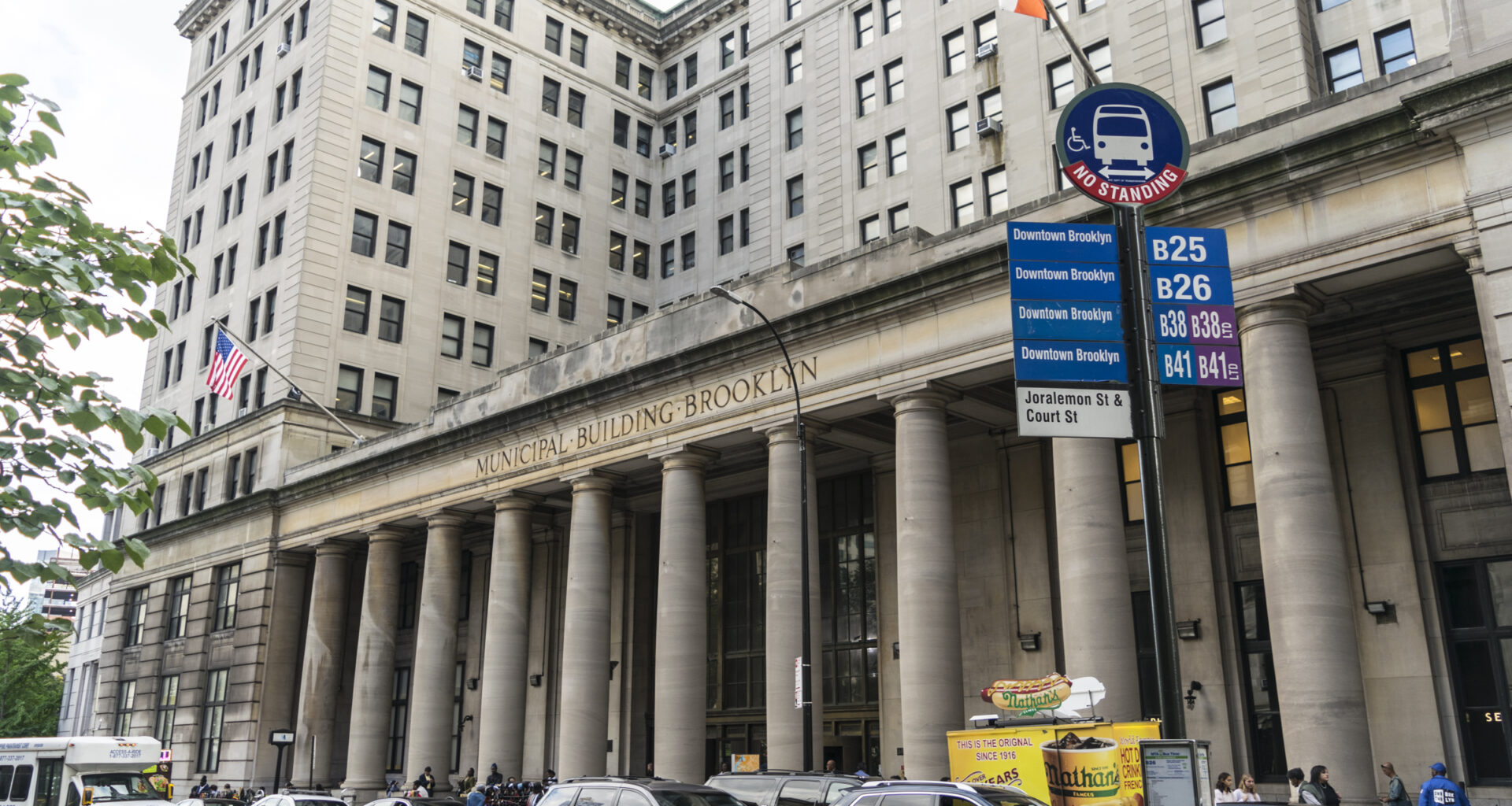

BOROUGHWIDE — The Brooklyn Democratic Party recently hosted a Judicial Candidate Community Forum for the fourth, sixth and seventh Municipal Court Districts.
The hour-long forum, which took place the evening of July 16 on Zoom, allowed judicial delegates to hear directly from the candidates seeking nomination in their respective districts.
Participating candidates are vying for open county seats for 14-year terms and competing to be on the ballot for the November general election.
Moderated by Anthony Beckford, committee member in Assembly District 43, the forum included brief introductions by all candidates and a series of questions submitted by the audience in advance.
Xavier Carr is running for District 4, which covers southeastern and central Brooklyn, including East Flatbush, Canarsie, parts of Flatlands, Crown Heights, Brownsville and Bedford-Stuyvesant.
Brian Chelcun and Michele DeSouza are both vying for the sixth Municipal District, including Prospect Heights, Flatbush, Prospect Lefferts Gardens, Midwood, and parts of Crown Heights and Park Slope.
Bridget Hamblin is running for the seventh district, which covers northeastern Brooklyn and parts of eastern Brooklyn, including Bushwick, East New York, Cypress Hills, and parts of Bedford-Stuyvesant and Brownsville.
Xavier Carr
Carr, a resident of Brownsville, said that his goal as a judge is to advance equity, fairness and equal justice.
“I hope to be able to represent my community on the bench, make sure that everyone is heard and has their day in court,” Carr said.
Carr defined justice as a system that allows individuals to seek recourse and be treated equally, regardless of their identity or heritage. “Justice is being able to have your case heard while being treated equally under the law.”
Carr was asked whether judges should consider the mental and physical health effects of incarceration when deciding whether it is appropriate before trial or after a conviction.
“I believe a judge should consider those factors in light of the fact that certain individuals may come from communities that are underserved, and they may have made choices that were not in their best interests,” he responded. “However, accountability is necessary, but it’s a delicate balance.”
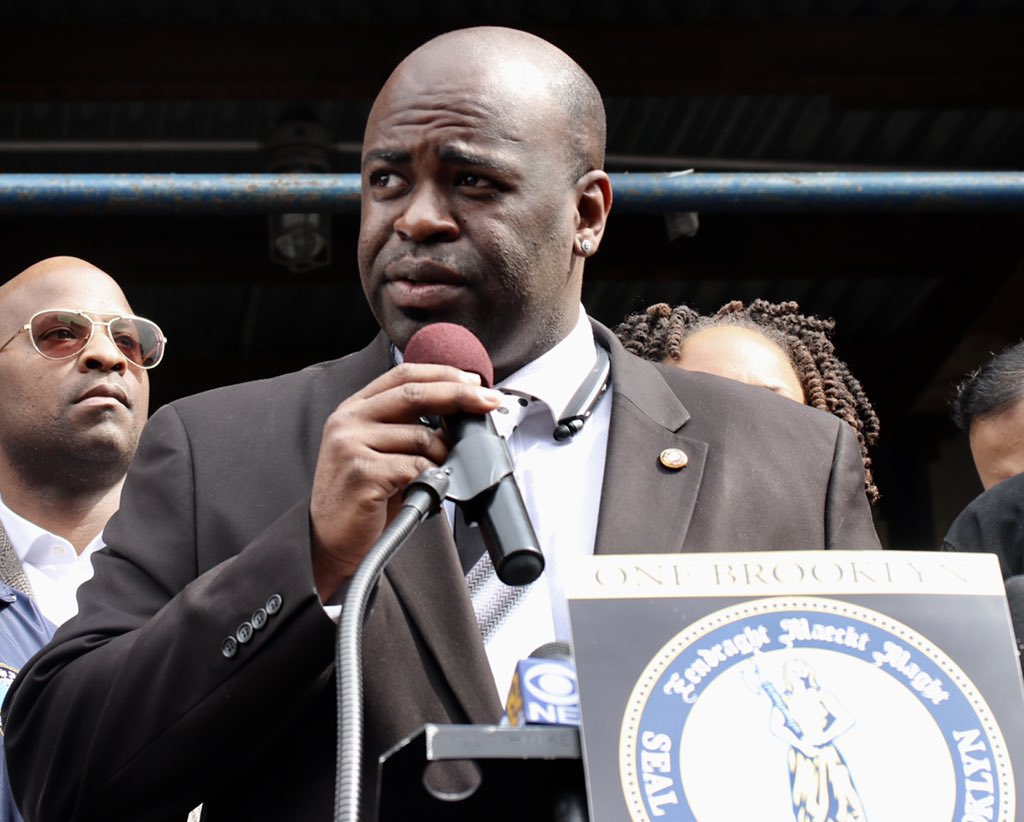 Black Lives Matter Brooklyn founder Anthony Beckford. Photo: Anthony Beckford
Brian Chelcun
Chelcun, a graduate of NYU Law School, previously clerked for two federal judges, one in Manhattan and one in Brooklyn, before starting his career at the Legal Aid Society, where he worked as a public defender for the last 11 years.
Chelcun was asked about his position on systemic racism in the criminal justice system and how he would combat it as a judge.
“I often see how communities of color are policed differently and how that data is then used to justify the policing,” Chelcun said, explaining how increased arrests in certain areas can imply that crime is higher, which leads to more policing and more arrests, painting a potentially inaccurate picture.
“As a public defender,” He continued, “I do everything I can to make sure that I’m giving my clients the best representation, no matter their race, ethnicity or their socioeconomic background, and I demand that judges do the same.”
Michele DeSouza
DeSouza, a trial attorney who serves as Assistant Corporation Counsel with the New York City Law Department, has been a Brooklynite for more than 40 years.
When asked to describe an area where judges need more training, or where training should be mandatory for judges, DeSouza stressed the importance of diversity in the court system.
“Brooklyn is filled with people from all over the world, and I think that some judges do not understand that when someone comes into court and they don’t look like you, they’re timid, they’re afraid, and they don’t know what to expect,” he said. “With training and education, perhaps judges can better understand this.”
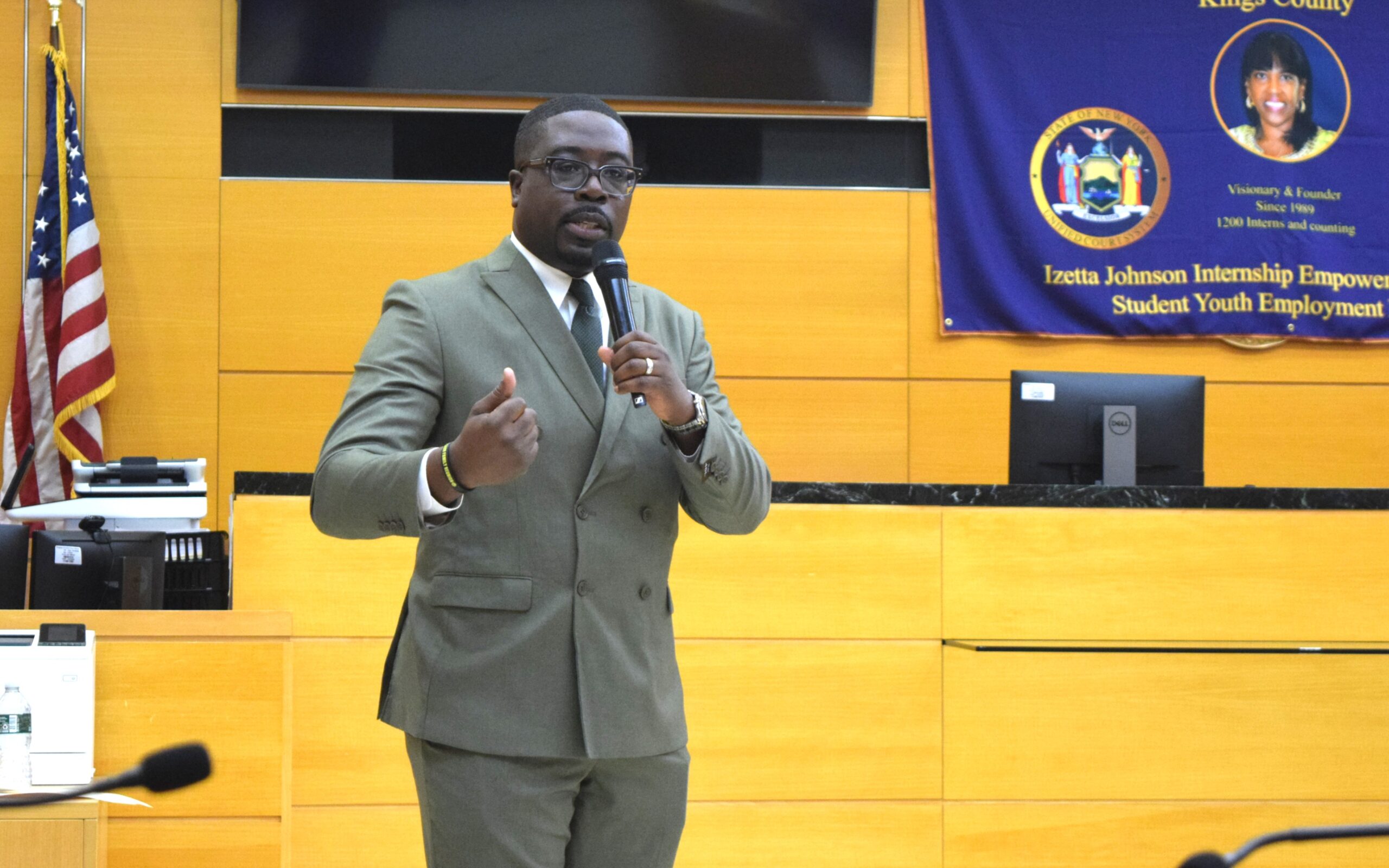 Xavier Carr, senior counsel at the New York City Office of Technology and Innovation, speaks to Summer Youth Employment Program interns at Kings County Supreme Court, Criminal Term. Carr shared his personal journey from unpaid intern to city attorney and encouraged students to take their roles in the courthouse seriously. Photo: Robert Abruzzese/Brooklyn Eagle
Bridget Hamblin
Hamblin was born in East Flatbush and grew up in East New York. She began her career as a prosecutor in Bronx County, where she was, according to her, able to “exercise sound judgment, evaluate evidence, listen carefully and uphold justice for all that came before.”
Hamblin defined justice as giving every person who walks into a courtroom an opportunity to be heard and be treated with dignity and respect.
Hamblin said “unconscious biases” must be addressed in training judges.
“There are some who come with their own personal biases and prejudices, and if you’re trying to uphold the law and be fair, you don’t want that getting in the way,” she said. “That said, training in that capacity can have a significant impact.”
A word from the party chair
Brooklyn Democratic Party Chair and Assemblymember Rodneyse Bichotte Hermelyn, who represents District 42 in Kings County, told the Brooklyn Eagle that she was thrilled to host the judicial forum welcoming county committee members, community leaders and residents.
“As the Brooklyn Democratic Party continues its commitment to openness and transparency, we strive to educate and keep the general public informed about the judicial selection process,” she said, adding that the forum gives voters a clearer understanding of the candidates and the judicial selection process.
“An informed electorate is the foundation of a strong democracy, and we are proud to provide this platform for civic engagement and public participation,” she added.
Seeking the party’s support does not guarantee a nomination. Judicial candidates must still satisfy the applicable legal and political requirements, and depending on the office, they may face petition challenges, primary opponents or the vote of judicial delegates at the party’s convention.