
The stories and characters of adolescence are always the ones that stick with you as you grow older, and I was caught off guard when I could still get that familiar school-age tug from this book as an adult. Now, for me, Francie joins the likes of Scout and Jem.
I have gained an hour a day traveling in and out of Boston Harbor by ferry to work. I decided to fill that time with books. Old school, I check out yellowed hard copies with that familiar papery library scent. My elementary and middle school days were spent at a tiny parochial school housed in an 1880s brick building with wavy windows, built in response to a growing Irish immigrant population. Our library took up two rooms on the top floor — little kids’ books on one side of the hall, older-kid books on the other. In one room, the sun streamed freely through the antique panes, dust dancing in the light, shelves and shelves of books aglow — “The Boxcar Children,” Ramona Quimby’s adventures. In the big-kid room, afternoon shadows kept it cool, moody. We learned the Dewey Decimal System and sifted through the drawers of the card catalog cabinet, hoping our chosen title would be there.
Get Starting Point
A guide through the most important stories of the morning, delivered Monday through Friday.
The buzzy Belle Burden memoir I intended to borrow was not, in fact, available on a semi-recent visit to a very different library. Of course, I learned so by searching a digital database, not tiny drawers of index cards. Instead, “A Tree Grows in Brooklyn” grabbed my attention as a book I’d been “meaning to read” … for over two decades. It still had the manila library book pocket on the inside cover — phantom images of checkout cards scrawled with children’s names in blue ink.
For anyone else who has never had the pleasure of spending time with Francie, the book is, as the 2001 edition’s foreword describes, a story in which nothing really happens. It is introspective, much like our protagonist. It’s these quiet books that tend to make the deepest imprint on me.
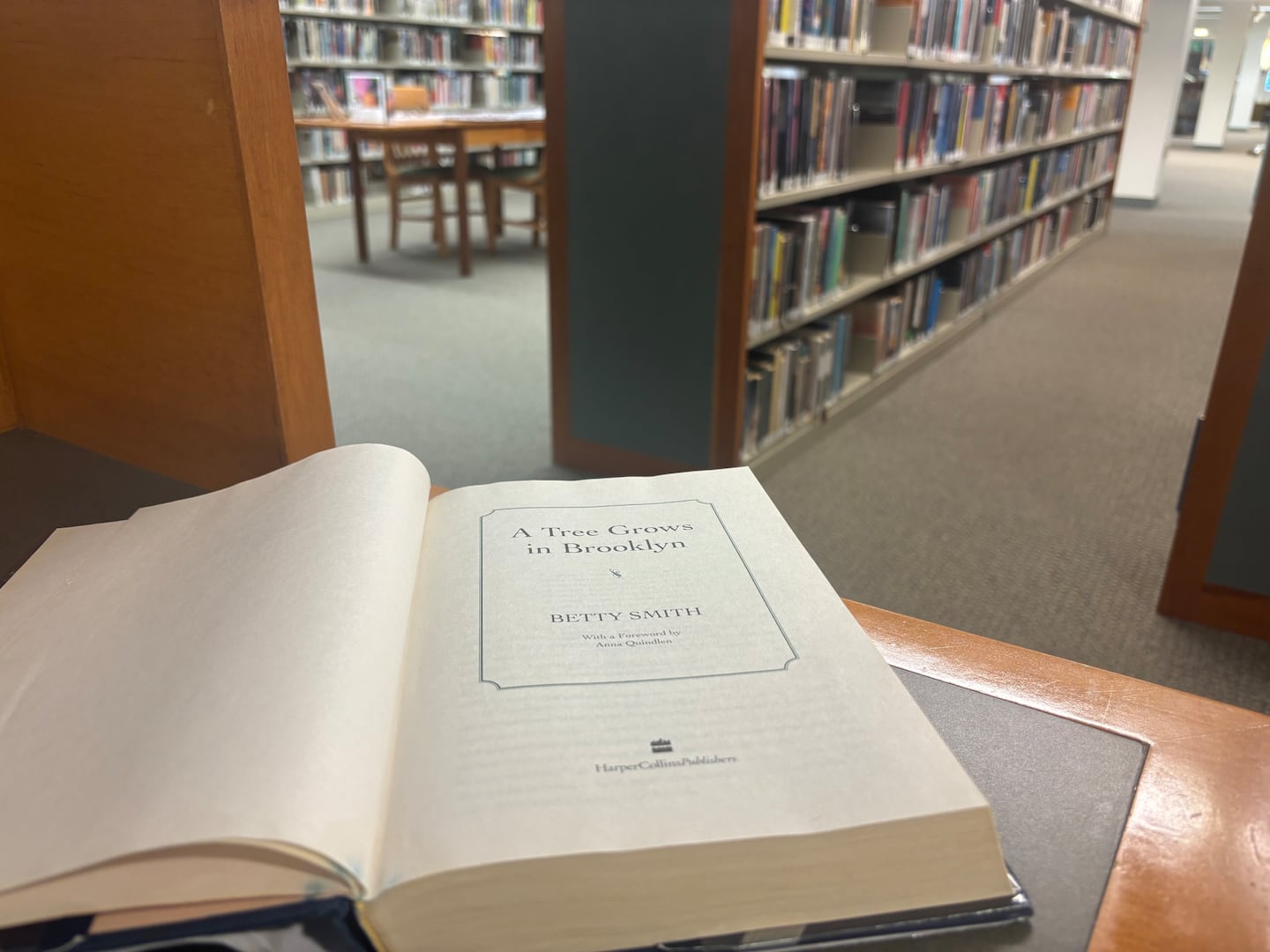 “A Tree Grows in Brooklyn” at a public library.Lidia Ryan
But the thing is, of course, everything happens to Francie — “everything that can happen in life” as the foreword puts it — as she navigates adolescence in Brooklyn from 1912 to 1918. She’s the eldest child of a poor Irish-American family constantly struggling to make ends meet, saddled with familial responsibilities beyond her years. She sells scraps at the junkyard for pennies with her brother, runs errands around the neighborhood for her mother, lies about her age so she can get a full-time job. She narrowly escapes an attacker. She endures the untimely death of her loving, flawed young father. She has her first heartbreak. Her retreat: the library.
All of this happens as her beloved Williamsburg, Brooklyn, changes around her, feeling smaller and more precious as the years go by. A bit over a decade ago, I lived in a fourth-floor walk-up in Williamsburg that was built in 1914; Francie would have been 13 years old. It was sort of the tail end of the millennial hipster heyday. Dunkin’ and Whole Foods had already infiltrated the neighborhood, but there was not yet a Chanel boutique. American Apparel and heavily filtered Instagram posts of artisanal coffee reigned. Francie’s Williamsburg is gritty, hostile, and homey — a community truly separate from Manhattan rather than a trendy overspill. In fact, Francie never even steps foot in Manhattan until her teen years, traversing the Williamsburg Bridge just as I did 100 years later. Young Francie’s life is filled with summers playing in the street, the scary butcher, the bakery where she buys yesterday’s stale bread. She dresses up for trick-or-treating during Thanksgiving Ragamuffin Day. She sees automobiles and horses cohabitate the roads. And she watches a Tree of Heaven grow from a crack in the sidewalk.
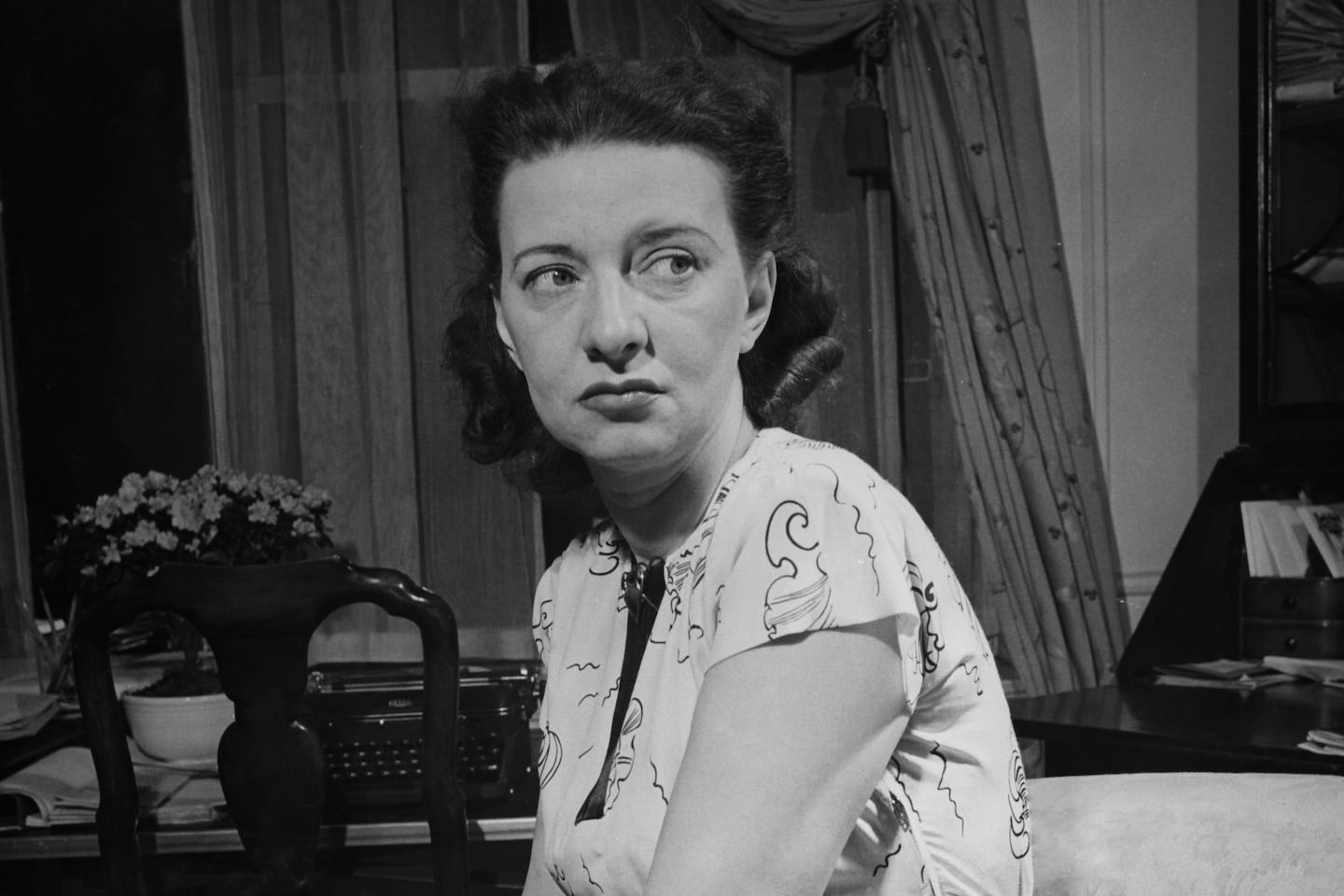
Author Betty Smith based Francie’s experiences on her own, beautifully capturing how it feels to be in that in-between age of girlhood and womanhood — a topic iconically mused upon in my coming-of-age era by Britney Spears. She writes Francie with childlike wonder and innocence among outwardly hardened adults who, we learn, still manage to retain a bit of whimsy even in the harshest of circumstances.
Things no longer cost anywhere near a few pennies, especially in Williamsburg where the streets are paved with craft cocktails and Citi Bikes instead of penny candy and horse-drawn buggies. Library book pockets are obsolete. But a woman’s recollection in 1943 of her coming-of-age in the 1910s still resonates today with a 30-something on her way to work.
When I brought the crinkly plastic-covered book to the front desk, it was greeted by tender enthusiasm from the librarian, likely somewhere in her 60s.
“Oh! I love this book. Francie!”
Lidia Ryan can be reached at lidia.ryan@globe.com.