
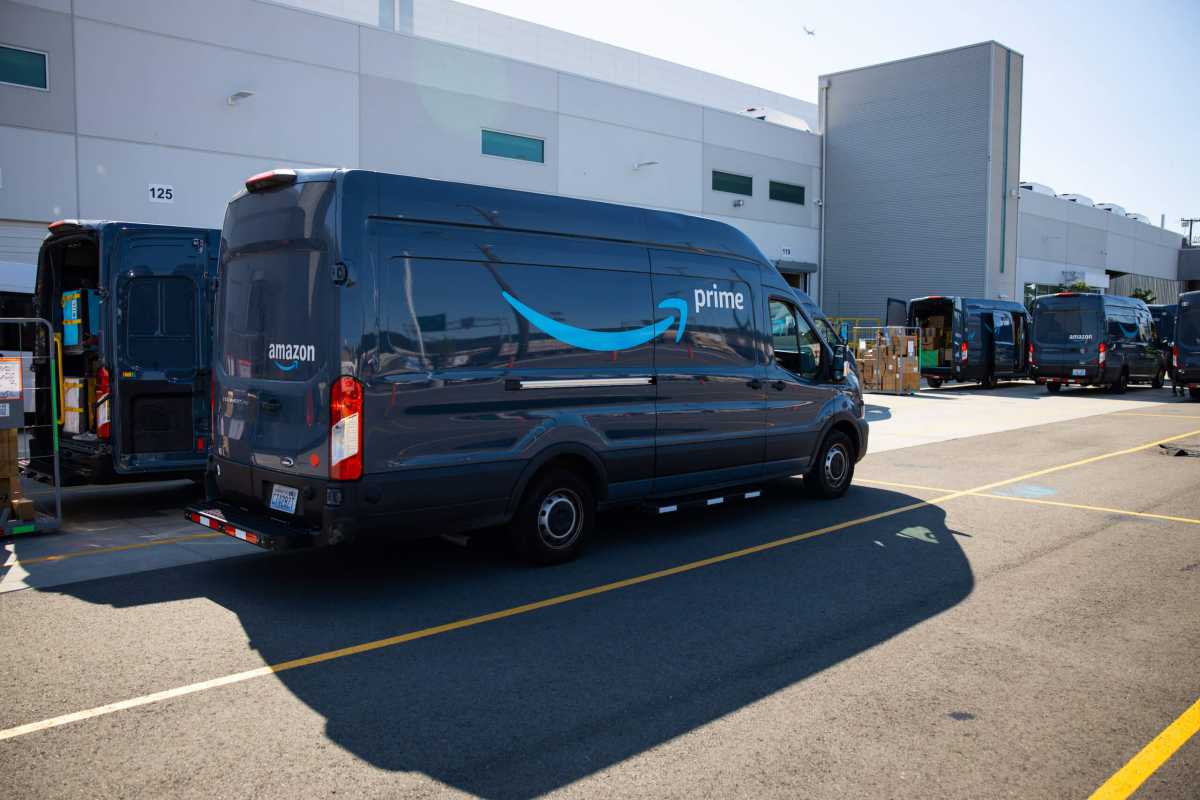
Amazon has opened more than 20 new “last-mile” facilities in NYC in recent years.
Amazon
Opponents of a NYC Council bill that would regulate the city’s last-mile delivery network say the measure could have widespread consequences for businesses, workers, and consumers, as newly filed campaign finance disclosures show about $5.5 million has been raised to fight the legislation.
Financial disclosures show money coming from Amazon and other companies, including FedEx, as well as from supporters of the Five Borough Jobs Campaign, which opposes the bill, Intro. 518.
The last-mile delivery network includes neighborhood-based distribution centers where packages are sorted and dispatched for final delivery.
The bill, sponsored by Queens Council Member Tiffany Cabán (D-Queens), would require operators of certain warehouses and storage facilities from which goods are delivered to final consumers in the city to obtain a business license from the Department of Consumer and Worker Protection.
According to advocates against the bill, the companies’ support is enabling their partners and the workers who “would be hit the hardest” to engage with the public and council members to inform them on the reality of the bill.
“New York City’s delivery network is powered by hundreds of small business owners and thousands of delivery workers who keep communities connected. Any changes that impact this network would have real consequences for those who have not only built their businesses from the ground up, but to all of the communities we give back to,” said Bashar Yazgi, owner of Logistics Xpress. “Because supporting small businesses means protecting local jobs, expanding economic opportunity, and strengthening communities across the city.”
The New York Delivers Coalition, comprised of delivery service partners, businesses, and workers, sent a total of 3,700 letters to Council members urging them to oppose the legislation.
“This legislation’s real-world impacts — including 10,000 jobs at risk — will fall hardest not on large corporations, but on the workers it claims to protect, local small business owners, and the 78% of New Yorkers who rely on delivery of essential goods each week,” said a spokesperson from the New York Delivers campaign. “Everyone who touches this industry would be impacted.”
amNewYork contacted Cabán for comment on this story, and is awaiting a response.