
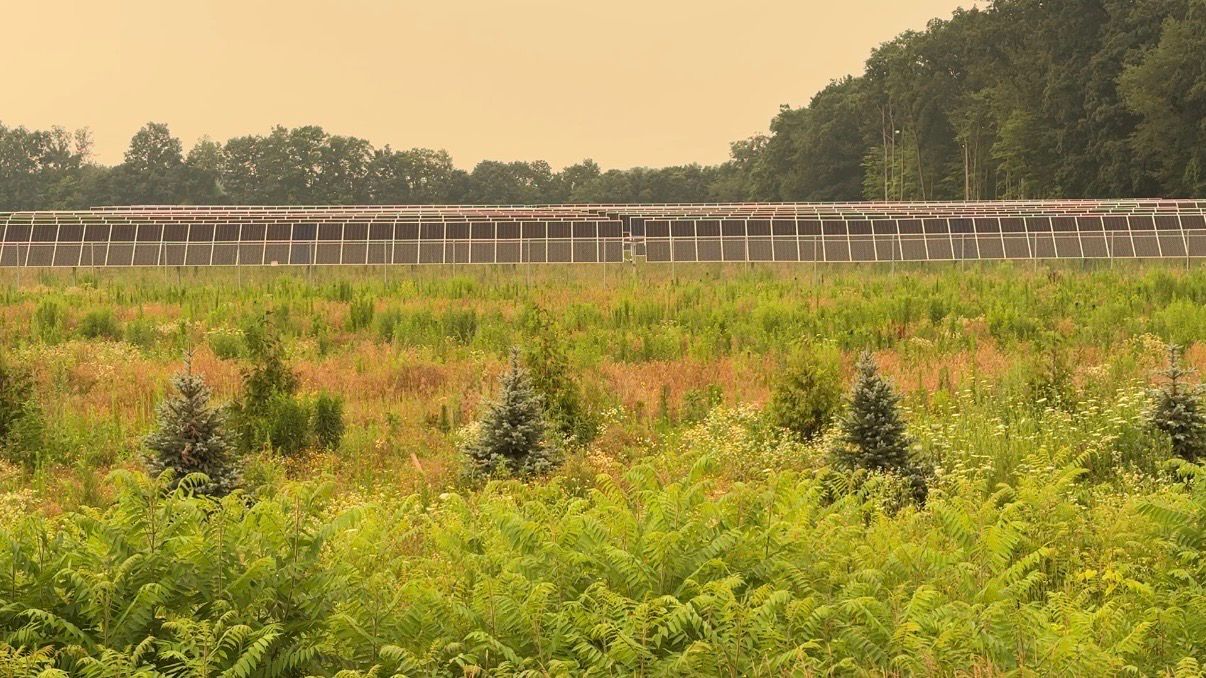
New York state’s ambitious clean energy goals rely on renewable energy to accomplish, including solar. According to the New York State Energy Research and Development Authority, the state has already surpassed eight gigawatts of distributed solar and is ahead of schedule for meeting the goal of 10 gigawatts by 2030.
This growth has sparked a debate over land use, with many New Yorkers concerned about the loss of agricultural land — especially farmers.
What You Need To Know
Large-scale solar projects are targeted toward land with soil suitable for the project, oftentimes, that’s prime farmland
Surveys show farmers are more likely to be solicited for solar
New solar builds in New York account for less than one percent of farmland across the state
New York is making progress toward its decarbonization goals—goals that require additional solar power to come to fruition.
But all those solar farms will have to be built somewhere, and farmers like Brian Reeves are worried tillable land will be targeted.
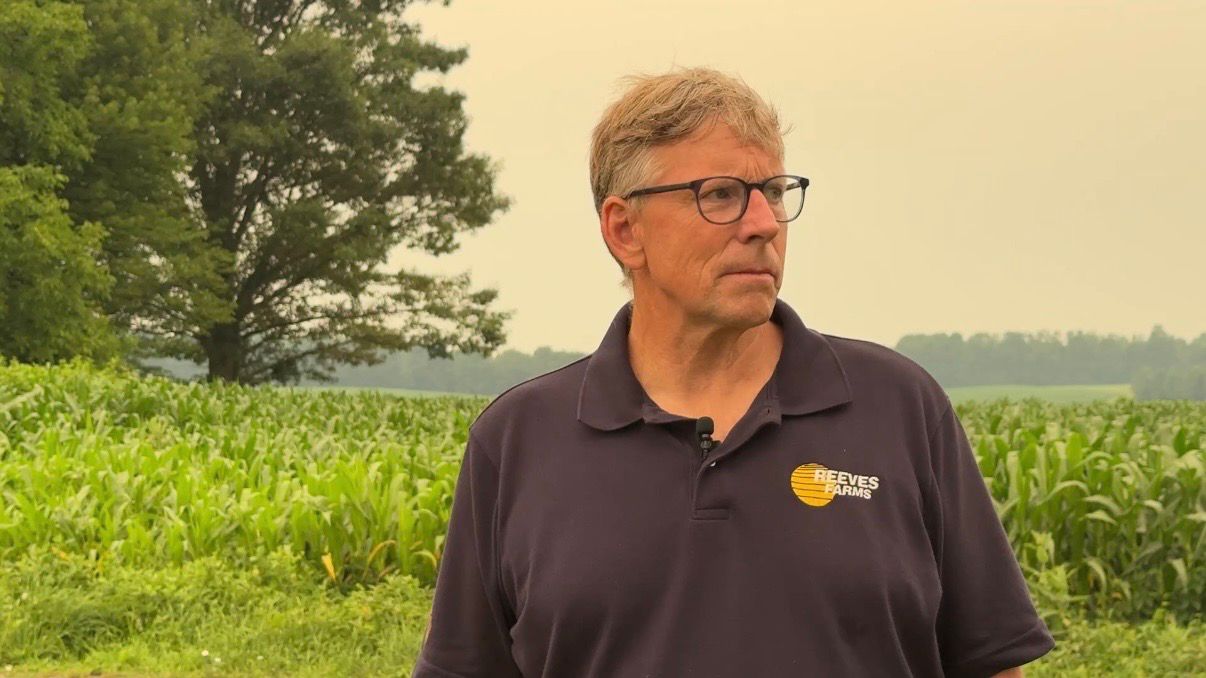
Brian Reeves. (Spectrum News 1/Natalie Mooney)
“Where would you like to put a solar unit?” Reeves asked. “Well drained, fairly level, already cleared with trees, many of those characteristics are what we farm.”
Reeves says he’s a fan of renewable energy and supports solar use — just not on prime farmland. Instead, he says poor-quality, rocky soil that wouldn’t necessarily support agriculture would still work for solar, but without taking a toll on food production.
“I think when we put solar on our prime and statewide important soils, we’re shooting ourselves in the foot,” Reeves said.
He’s not the only one who feels that way. Reeves is also the chair of the Onondaga County Farmland and Agricultural Protection Board, where he says the topic of solar is discussed regularly.
“It comes up pretty much every meeting,” he said.
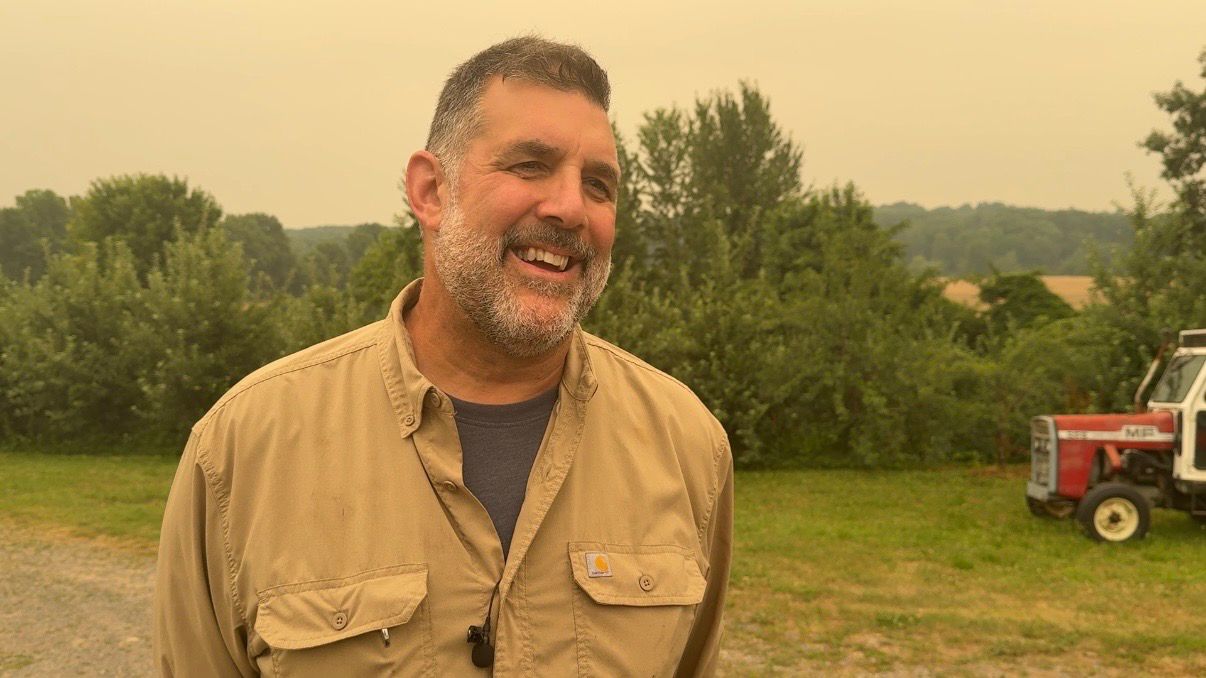
Tony Emmi. (Spectrum News 1/Natalie Mooney)
Tony Emmi, a neighbor of Reeves and fellow farmer, shares the same concerns for the soils, but ultimately decided to lease 30 acres of his land to a solar company.
“The only regret I have it that was really good farmland,” Emmi said with a laugh. “It was really good tillable land.”
Emmi says the decision was made to help diversify the farming and bring in some extra money.
“We’re looking at the numbers, and the rough numbers are like 15, 18 hundred dollars per year, and you’re not paying any taxes,” Emmi explained.
Those kinds of incentives are tempting for many farmers, especially in our current economy.
But Reeves worries that more farmers opting to sell could have devastating consequences down the line.
“I’m just afraid that 15 years from now, we’ll go, ‘Wow, look at all the solar, and it’s great that it’s renewable,’” Reeves said. “And we’ll go ‘Yeah, but we have a shortage of food production in New York.’”
Those fears, while valid, may be eased by a Cornell University survey which found that between 600 landowners in counties most likely to have large-scale solar development, farmers were twice as likely as non-farmers to be solicited, but less likely to sign leases.
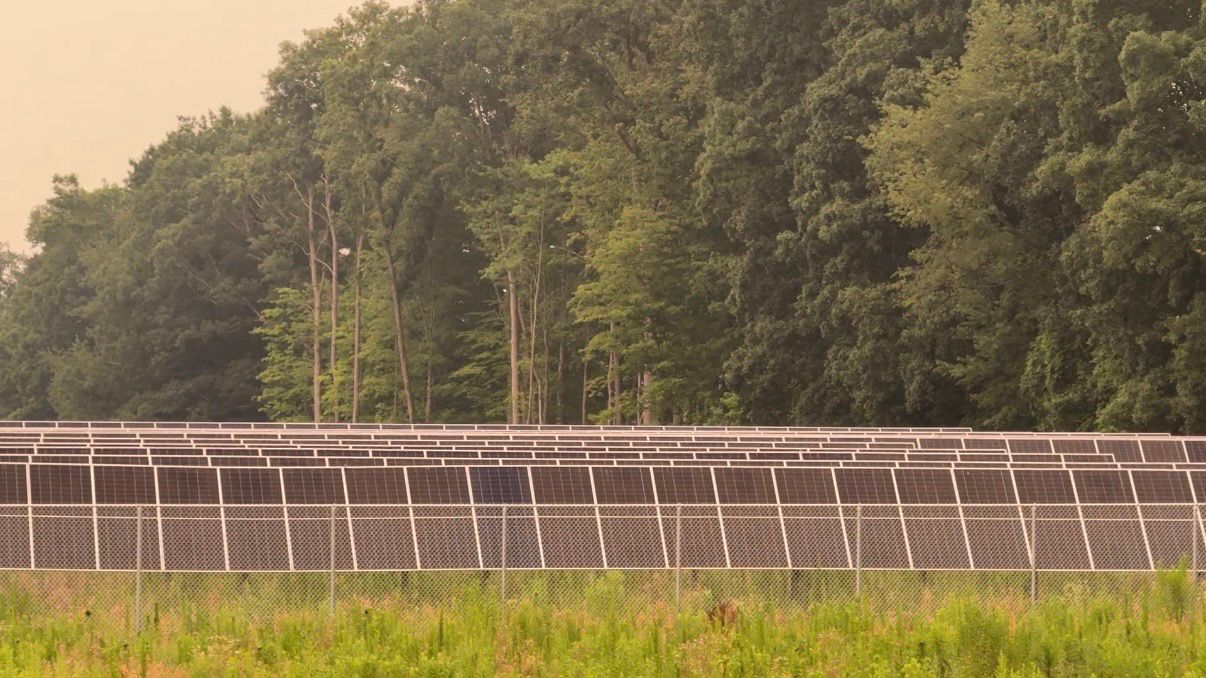
Emmi’s leased his land for this solar farm. (Spectrum News 1/Natalie Mooney)
According to NYSERDA, more than 20,000 acres of solar projects were built across the state in the last 15 years, which only accounts for about 0.3% of the approximately 6.5 million acres of farmland across the state.
Even beyond solar, New York farmland is disappearing. Data from the U.S. Department of Agriculture shows that 1.5% of farmland was lost in 2025 — five times the national rate. Between 2015 and 2025, the amount of farms across the state decreased by 15%.
The office of state Comptroller Thomas DiNapoli, credits that loss to federal policies and tariffs, financial uncertainty and net operating losses, rising labor costs, unpredictable weather, and the impacts of climate change.
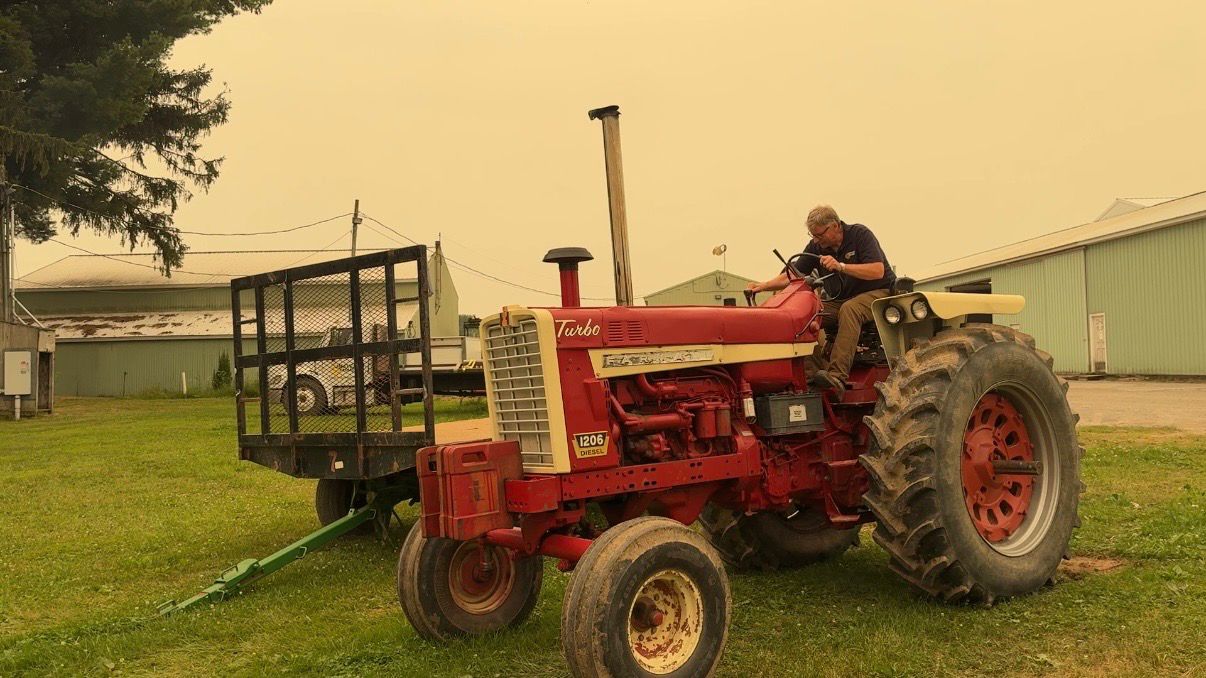
Brian Reeves at the farm. (Spectrum News 1/Natalie Mooney)
With farmland threatened for a multitude of reasons across the state, Reeves says protecting prime soils should be a key consideration as the state continues to pursue its climate and energy goals.
“Transitioning to renewables is very important and needs to be part of a comprehensive plan,” Reeves said. “Part of that comprehensive plan is protecting our best producing soils in the state.”
NYSERDA says the state is taking action to protect its agricultural lands and that under Gov. Kathy Hochul, New York has increased its support of the Farmland Protection Program, which has now preserved more than 138 thousand acres of prime farmland.
NYSERDA also emphasizes that solar development is only happening on land that is willingly leased by landowners.