
Fair Haven Beach State Park is a popular summer destination for relaxing on the beach, kayaking or taking a walk. The park sits west of Oswego along the Lake Ontario shoreline. According to New York state, it gets almost 185,000 visitors a year.
Staff members are working to remove some of the invasive species crowding the park.
“It’s not the plants’ fault that they’re here, but invasive species do create a lot of issues for us,” said Charlie Ippolito, a biologist with New York State Parks and Recreation.
One of Ippolito’s priorities is protecting the natural habitats at the park.
“So, the sand from the lake, the wind blows it into the fence, and it piles up directly behind it,” said Ippolito.
In this case, that work meant building a fence to help dunes form, providing areas for turtles to lay their eggs.
“And we have a decent amount of beach grass planted and that helps maintain the structure of the dune,” said Ippolito.
Staff are also pulling out weeds that don’t belong and planting native species like beach grass.
“And a lot of people see the grass on top and think that it’s maybe only a foot below, but you can see from here all the way down, we have roots all the way down. This is like a cobweb of roots,” said Ippolito.
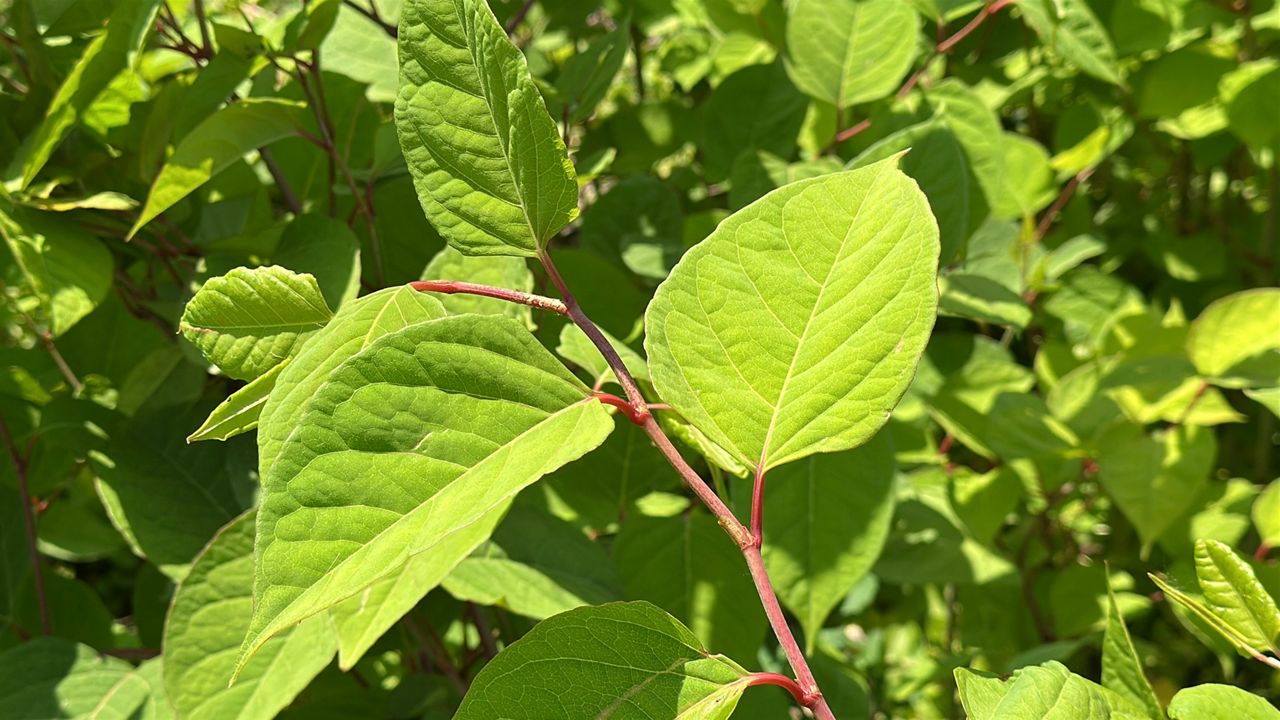
One unwelcome visitor at the park is Japanese knotweed. According to New York State Parks and Recreation, from 2020-22, the park was able to reduce the knotweed by 70%.
“If you leave one leaf or one inch of stem, like something like this in the area, it can over a few years, it can start to colonize,” said Gabby Landry, environmental stewardship technician with New York State Parks and Recreation.
All this work by Ippolito, Landry and their team is funded by a Sustain Our Great Lakes grant from National Fish and Wildlife for more than $200,000.
They’re working to restore more than 300 acres of dunes, bluffs, wetlands and forest in the park, with a long-term goal by 2030 to reduce invasive cover plants to less than 5%.
“My job is to, in part, to kind of make those areas still accessible and still usable by the patrons, but with an ecological twist,” said Ippolito.
They’re also working to remove water chestnut and swallowwort from the park. Work started earlier this year and will continue through 2027.