
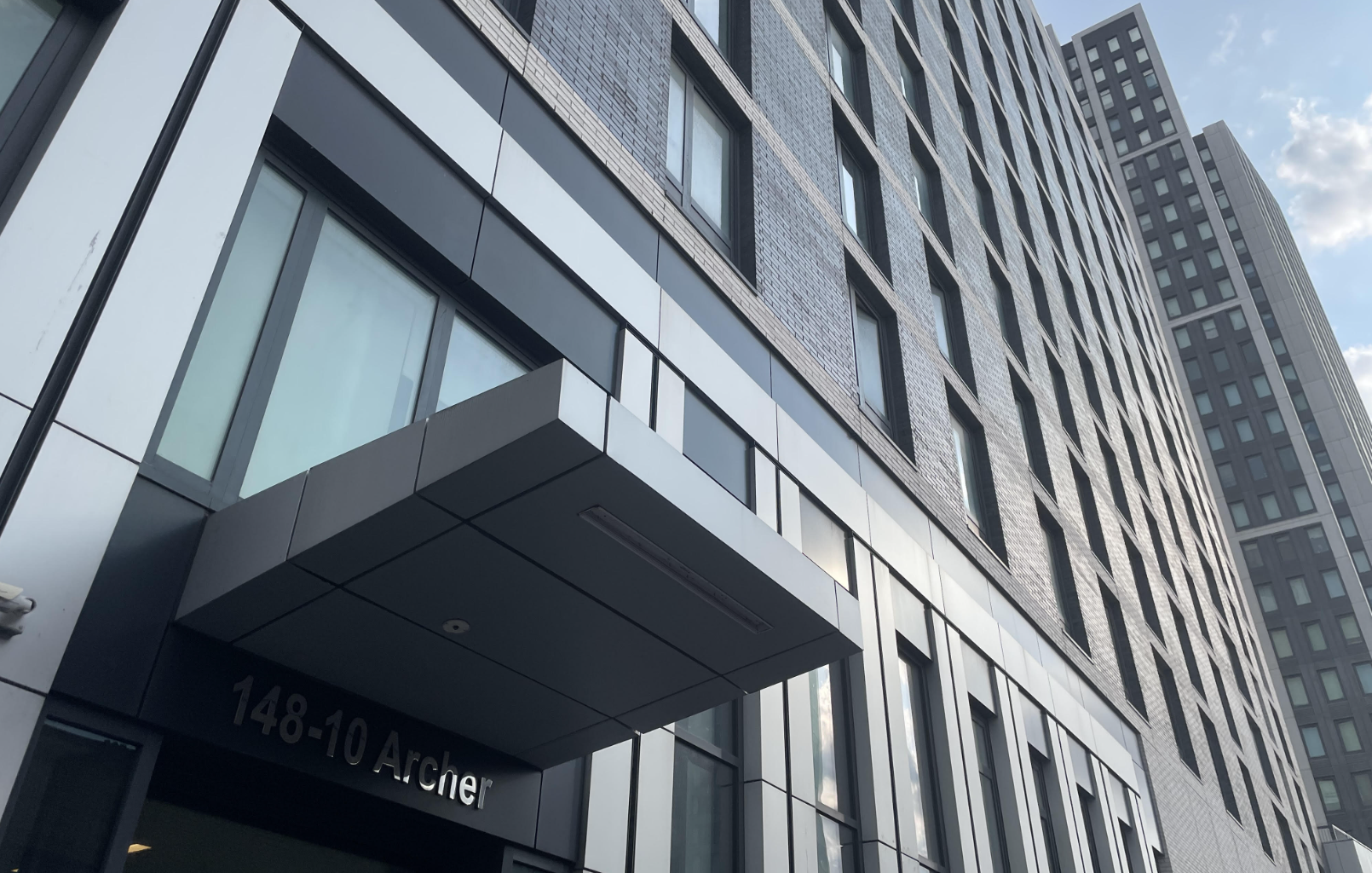
“This is a couple of corporations that think they can receive a significant amount of money from the city and state, and take advantage of people,” said Monica Mercola, a staff attorney at The Legal Aid Society’s Housing Justice Unit, which is representing the tenants in their court cases. “They think they can take advantage of people who won’t fight back, and it’s wrong.”
A representative of the buildings’ owners did not respond to a request for comment before print time.
In court filings, the landlords have said that they have “taken numerous measures to address the conditions” in the buildings. They have also denied claims that they have harassed tenants.
Though the landlords have submitted several motions to have the case against them dismissed, they have all been denied by a judge.
‘One bad situation’
Many of the 88 residents who signed on to the lawsuit against The Crossing’s owners have a similar story.
In search of a more affordable and higher quality home, many applied to the city’s affordable housing lottery program. They were excited when they learned they had qualified for The Crossing and were even more thrilled when they toured the buildings, which opened shortly after the start of the pandemic.
“I felt like it was an amazing place,” Cadet said. “It’s a beautiful space. It’s convenient. There are many things that I saw that were being offered and I was like, ‘Oh, I can’t wait, it’s a great place to be.’”
Some moved in after spending years in difficult living situations, including Stacy Ricks, who lived in a building owned by Zara Realty, a company with a number of apartment complexes in Queens that has been accused by tenants and state prosecutors of illegally increasing rents on rent-stabilized residents and harassing tenants.
Ricks, like Cadet, said that she was impressed by The Crossing when she first moved in.
But the image of the new, amenity-filled building began to crack about a year after Ricks arrived.
When she first began to notice the malfunctioning air conditioning, the lack of heat, the dirt-strewn carpets and disappearing packages, Ricks began to wonder if she’d ever live in an apartment where it felt like her landlord cared about her quality of life.
“It’s an epidemic,” she said. “Maybe they are talking to each other and they are like, ‘Oh, we can get money this way.’”
“You think you are leaving one bad situation only to come here,” she said. “And then – oh my god.”