
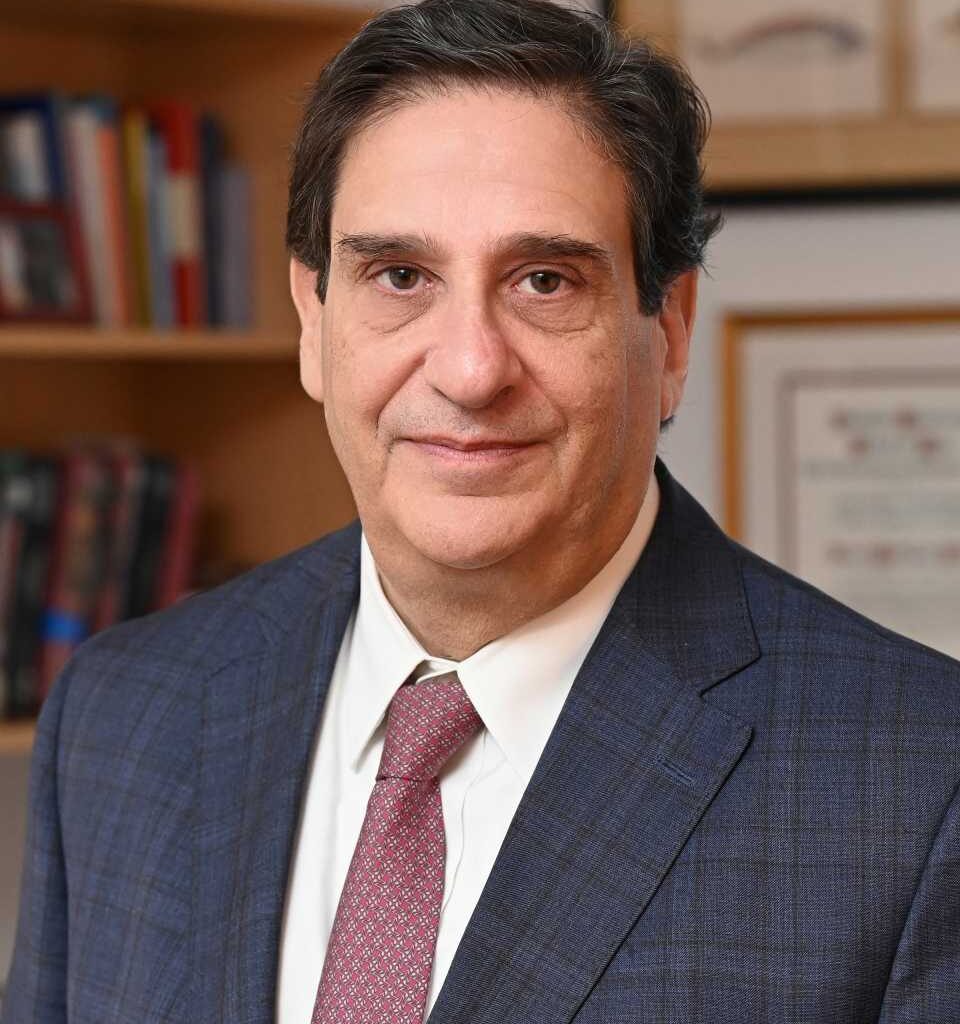
The New York City Bar Association’s new president, Matthew Diller, made clear in his remarks after being inaugurated in May that he would not hesitate to call out the federal government over violations of fundamental rights.
But as a legal educator for over 30 years and the former dean of Cardozo and Fordham law schools, Diller said the bigger fight is one of civic education.
“It’s important to be a voice out there on the record that makes sure that certain things don’t go unnoticed and unremarked. That the connection to the rule of law issues is called out and flagged,” Diller told amNewYork Law in an interview. “That’s kind of crisis management.”
Since beginning his term, Diller has not shied away from raising red flags around the rule of law. He said that the bar association should be especially vocal around the mistreatment of immigrants and threats to free and fair elections.
Earlier this month, the bar association sent a stern letter of opposition to President Trump’s nomination of Todd Blanche for U.S. Attorney General.
But the real challenge is more long-term, Diller said. To spread civic understanding, Diller is not leaving any tools by the wayside.
In his interview with amNewYork Law, Diller announced that the bar association would be rolling out a new TikTok and Instagram channels dedicated to raising alarms about the state of the rule of law under President Donald Trump in “condensed user-friendly versions to try and kind of meet people where they are.”
And new technology is on his mind in other ways too. During the interview, Diller identified three major priorities for his term as the bar association’s president: access to justice, rule of law, and artificial intelligence in the legal profession.
Diller, who started his career in the civil division of The Legal Aid Society, has been an advocate for expanding services that address access-to-justice issues for most of his career. He said that he finds himself ascending to the presidency at an interesting crossroads for those issues and artificial intelligence.
He is hopeful that AI could help close the gap for New Yorkers who are unable to access the legal system.
“The availability of new technologies and their potential — we really are in a moment where we can expand the reach of who has access to legal advice in a very broad way, and I’m excited about that. It has risks, of course, but it has a lot of potential upsides,” Diller said.
Diller said he plans to continue the City Bar’s programming that shapes how AI affects legal practice, regulation, and public policy.
Likewise, on the topic of access to justice, Diller said that his top goal is to make the City Bar as effective as possible at doing what it already does. He pointed to City Bar’s advocacy for expanded legal services funding for indigent New Yorkers and the City Bar Justice Center as key parts of that mission.
When asked what areas of legal services were a priority for him, Diller highlighted immigration representation and consumer debt cases as especially urgent needs. He also committed to continue the bar association’s advocacy to uncap the number of supreme court justices in New York state courts — a legislative proposal that failed to pass this session, dealing a major setback.
But beyond any one policy goal, he hoped to use the platform of the bar association to drive a civic-minded resurgence in new generations of lawyers.
“My more ambitious goal is to rekindle a commitment to civic engagement within the profession more broadly,” Diller said. “It’’s not simply about activities at the City Bar, but it’s trying to ensure that a new generation of lawyers who are hitting practice don’t see themselves as investment bankers. That they see themselves as lawyers and that has a special meaning in terms of their engagement with the problems of our times.”
Bringing the new generation of lawyers into the fold of the bar association is another area in which Diller thinks the City Bar is effective. He plans to rely on its student ambassador program to stay connected to all the regional local law schools.
Given the stress of the current legal environment, Diller said, he thought that one thing young lawyers need is a place to unwind and socialize — and so he’s planning social events to draw them in.
“I think that in-person contact is something that people really crave and it’s a way of building networks within the profession,” he said.
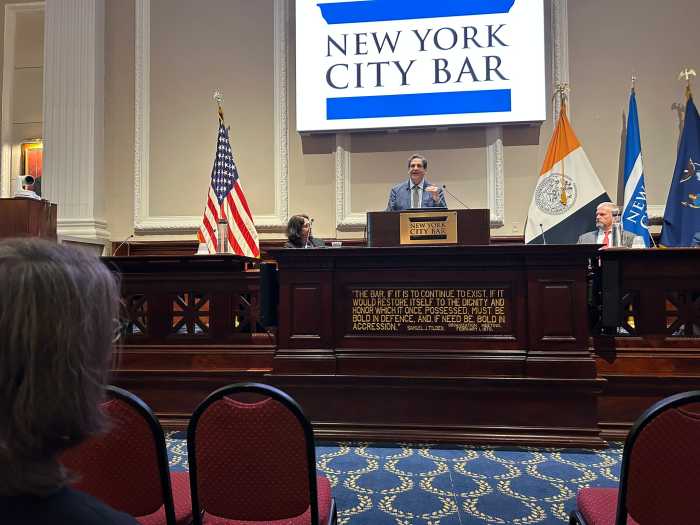 NYC Bar Association President Matthew DillerPhoto via NYCBA