
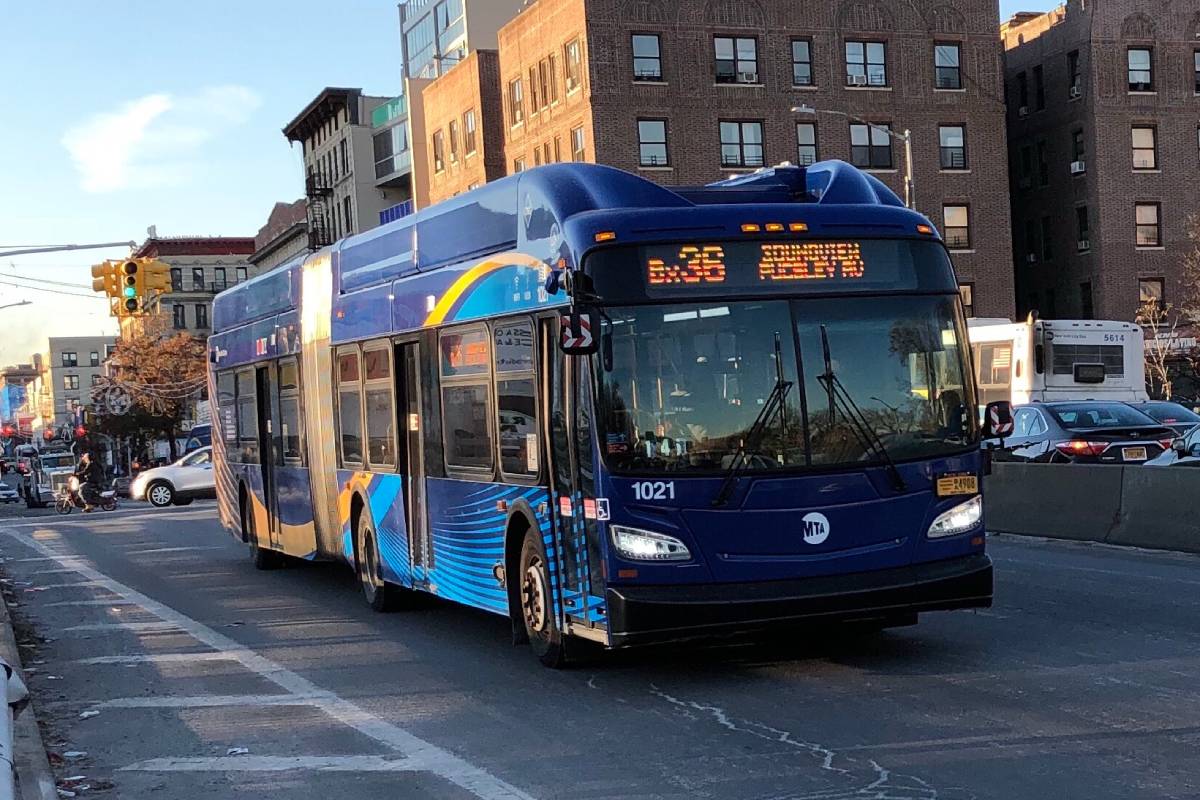
The Bronx is officially getting its very first busway, and it’s set to transform one of the borough’s busiest and most dangerous corridors into a much faster, safer route.
According to a joint announcement from Mayor Zohran Mamdani and New York City Department of Transportation (NYC DOT) Commissioner Mike Flynn, the long-awaited project along Tremont Avenue will launch later this year.
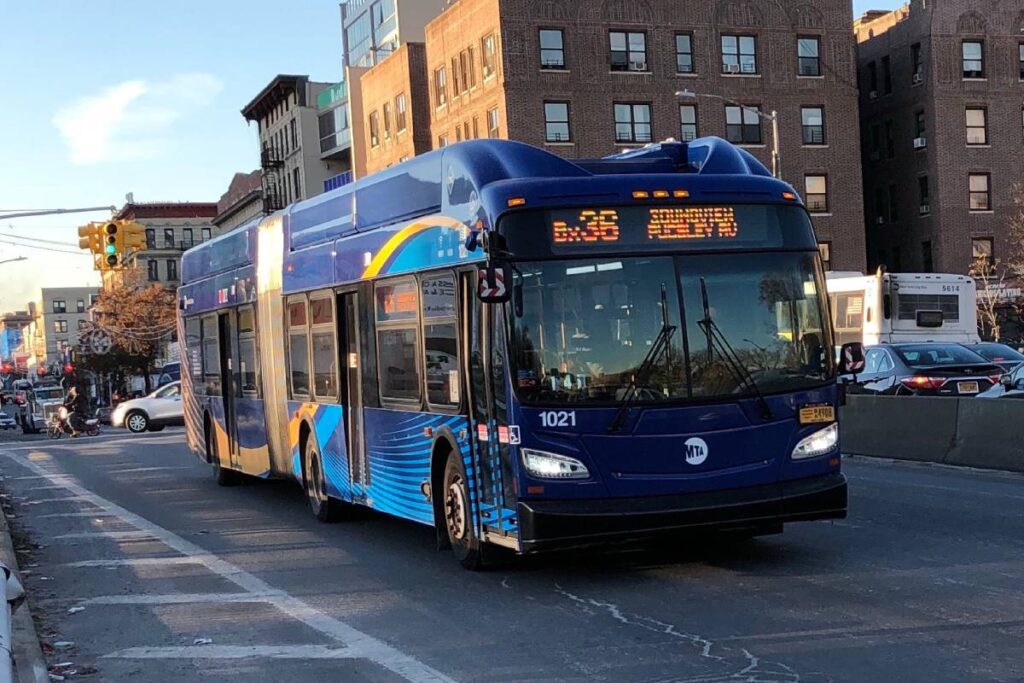
Designed to speed up commutes for nearly 39,000 daily riders on the Bx36, the redesign promises to slice travel times dramatically while making a dangerous stretch of road significantly safer.
Here’s everything you need to know about the new Bronx busway, how it works, and how it impacts your drive or daily commute.
What’s changing on Tremont Avenue?
The Bx36 is notorious for dragging along at speeds as slow as 5 mph. With 72% of households along the corridor living without a private car, fast public transit is a daily necessity.
To tackle the gridlock, the city is turning a half-mile section of Tremont Avenue into a dedicated busway:
Eastbound Busway: Third Avenue to Southern Boulevard
Westbound Busway: Southern Boulevard to Belmont Avenue
Shared Bus & Bike Lane: Webster Avenue to Third Avenue (Eastbound)
By prioritizing buses over private cars, transit officials expect bus speeds to increase by up to 60%—cutting commute times by nearly 10 minutes along the stretch.
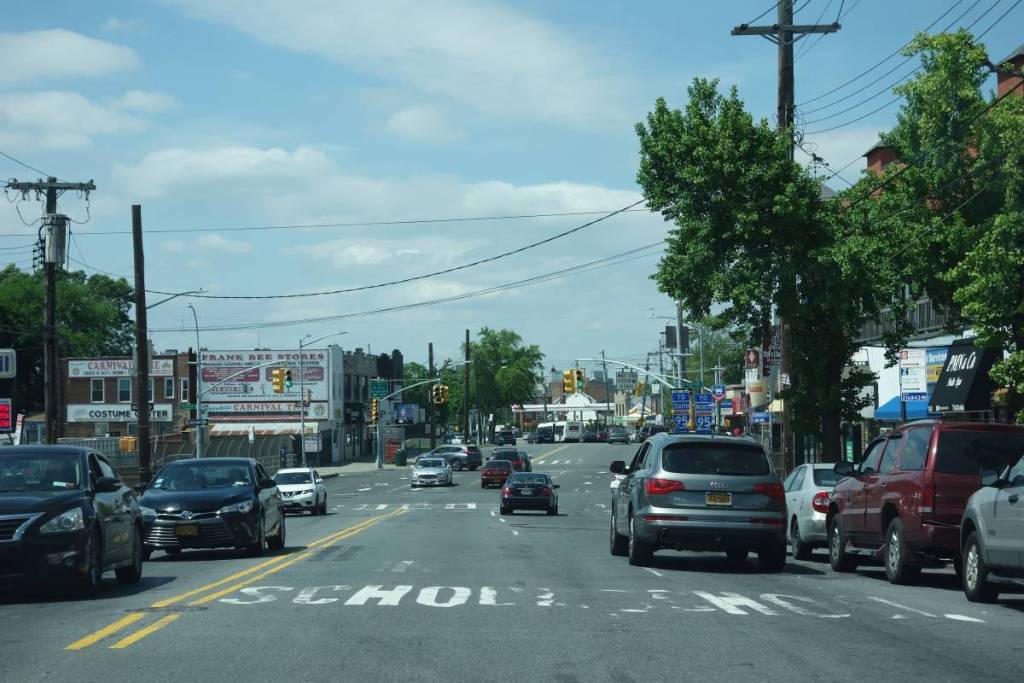 Tdorante10, CC BY-SA 4.0, via Wikimedia Commons
Major safety upgrades for pedestrians
Tremont Avenue isn’t just slow; it’s currently one of the most dangerous streets in the Bronx.
Between 2020 and 2024 alone, nearly 630 people were injured in crashes along the corridor, including 46 severe injuries and four deaths.
To fix this, the NYC DOT is rolling out street safety redesigns across eight major intersections, including Tremont & Webster Aves, Tremont & 3rd Aves, and Crotona Ave & 180th St.
The redesign includes:
Painted sidewalk extensions to shorten street-crossing distances for pedestrians
Flexible delineators, granite blocks, and bike racks to naturally slow down turning traffic and prevent illegal curb parking
Citywide data shows that similar busway treatments have reduced pedestrian and cyclist injuries by up to 45%.
How driving, parking, and turns will work
If you drive through the area, you won’t be completely blocked off, but you will need to pay attention to the new traffic rules.
Hours: Regulations are in effect 7 days a week from 6 am to 8 pm (Overnight from 8 pm to 6 am, standard traffic rules apply)
Who can drive straight through: Only MTA buses, trucks with six or more wheels, Access-A-Ride vans, emergency vehicles, and bicycles can travel the entire length of the busway
Passenger cars & taxis: You can enter the busway to drop off or pick up passengers or reach a specific block, but you must make the next available right turn off the corridor
No left turns: Left turns off the busway are banned during operational hours (except for trucks turning left at Third Avenue)
Parking & Loading: Parking remains permitted along the corridor; drivers must follow posted street signs. Commercial truck loading zones will also remain available
Note: Automated camera enforcement and NYPD traffic agents will enforce the rules. Violations will result in fines ranging from $50 to $250.
Part of a massive citywide transit push
The Tremont Avenue project is part of Next Stop: Fast Buses, Better Service, a broad initiative aimed at speeding up more than 175 bus routes across all five boroughs.
While the Bronx prepares for its first busway, major transit upgrades are also making their way to Central Brooklyn—including community engagement for future Bus Rapid Transit (BRT) routes along Flatbush Avenue, Utica Avenue, and Church Avenue.