
At 50 years old, I decided to stop helping other people build businesses and finally build one of my own.
For most of my career, I coached entrepreneurs, advised small businesses, and helped companies grow. I loved the work, but eventually I found myself asking: What did I want to build?
The answer became Accelerated Flywheel Logistics.
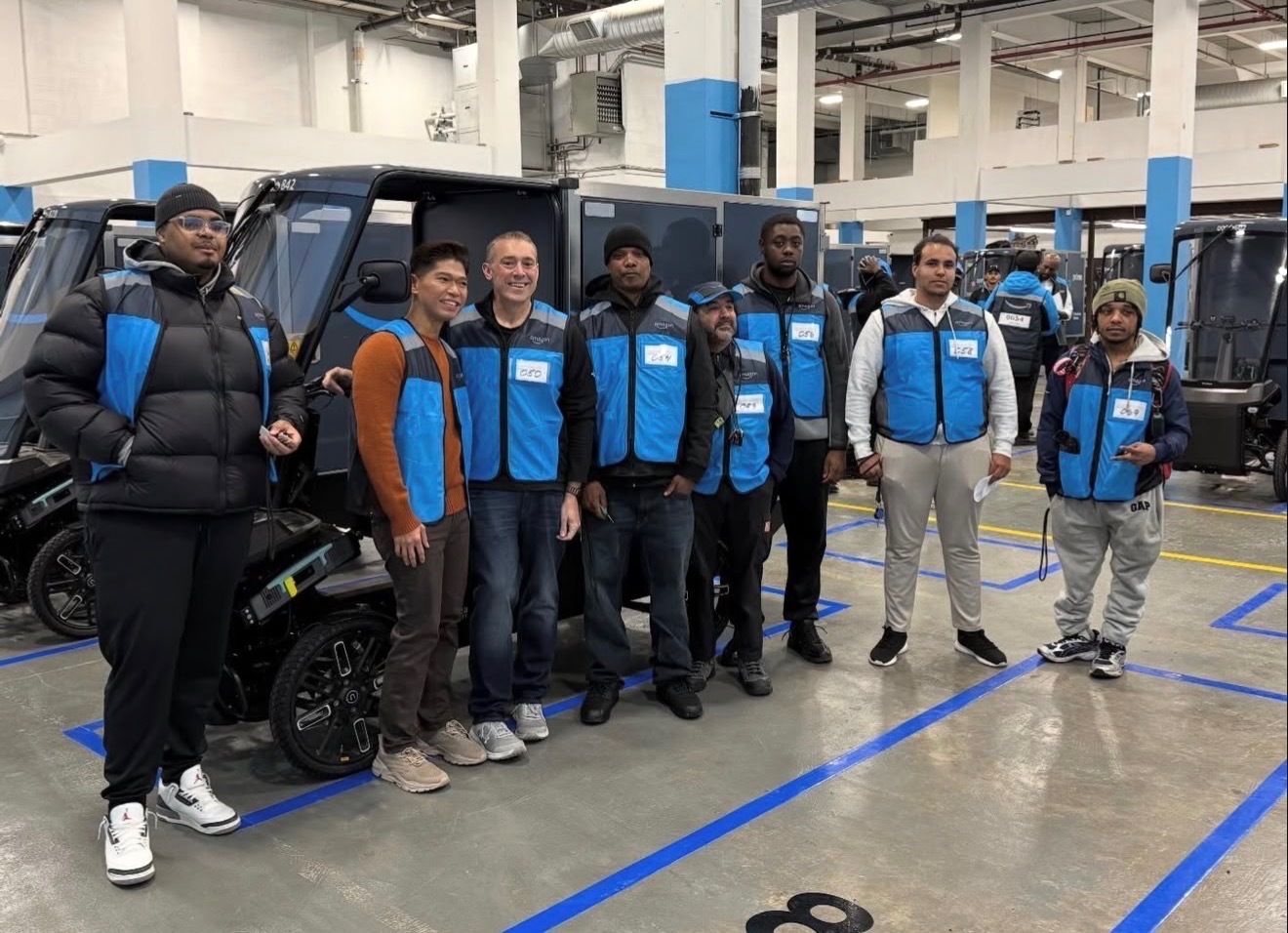
Less than a year ago, we opened our doors on the Lower East Side with a mission: create good jobs for New Yorkers while making deliveries cleaner and more efficient. Today, our team of 175 employees delivers packages across Manhattan using a fleet of 40 cargo e-bikes.
My company is one of hundreds of locally owned businesses that make New York’s last-mile delivery network work every day. We hire New Yorkers, manage our own operations, and invest in the neighborhoods where we do business.
My greatest reward has been watching people build careers alongside the business.
Many of our employees previously worked in the gig economy, piecing together unpredictable work through delivery apps. They joined us because they wanted steady schedules, reliable paychecks, employer benefits, and opportunities to advance.
Others came from even more difficult circumstances. Some applicants were living in shelters when they interviewed with us. Today, they have stable employment, permanent housing, and a clearer path forward.
Every dispatcher and operations manager in my company started as a driver. Every promotion has come from within. Watching people grow into leadership roles has been just as rewarding as watching the business itself grow.
That’s why I’m deeply concerned about Intro 518, the last-mile delivery bill now before the City Council. The legislation would eliminate the independent delivery business model that companies like mine rely on. Instead, large corporations would directly employ drivers. Businesses like mine — which hire our own employees, manage payroll, invest in equipment, and build careers in our communities — would no longer have a place.
When you’ve invested everything into building a business, it’s impossible not to think about what this legislation could mean. A new independent analysis found that Intro 518 could eliminate hundreds of small delivery businesses or push facilities outside the five boroughs, putting 10,000 local jobs at risk.
If my business were forced to close, it wouldn’t just be the end of a company. It would mean 175 New Yorkers losing an employer who knows them by name and has invested in their success. There is no guarantee another company would hire every member of my team. There is certainly no guarantee another employer would take the same time to help someone transition out of a shelter or move beyond unstable gig work.
What makes this especially frustrating is that we’re exactly the kind of business New York says it wants more of. We deliver on zero-emissions cargo bikes instead of vans. We created stable employment for workers seeking careers. We built a business that serves Manhattan while reducing our environmental footprint.
There are thoughtful conversations to be had about improving safety, strengthening worker protections, and making deliveries even more sustainable. Those goals matter, and responsible business owners should be part of that discussion. But policies should recognize how this industry actually works and the small businesses that keep it running.
I hope Council members think about businesses like mine before they vote. Behind every package delivered in New York is a network of local entrepreneurs, workers, and families who have built something worth protecting.
DiMaria is the owner of Accelerated Flywheel Logistics.