

Photo: Will Waldron/Albany Times Union/Getty Images
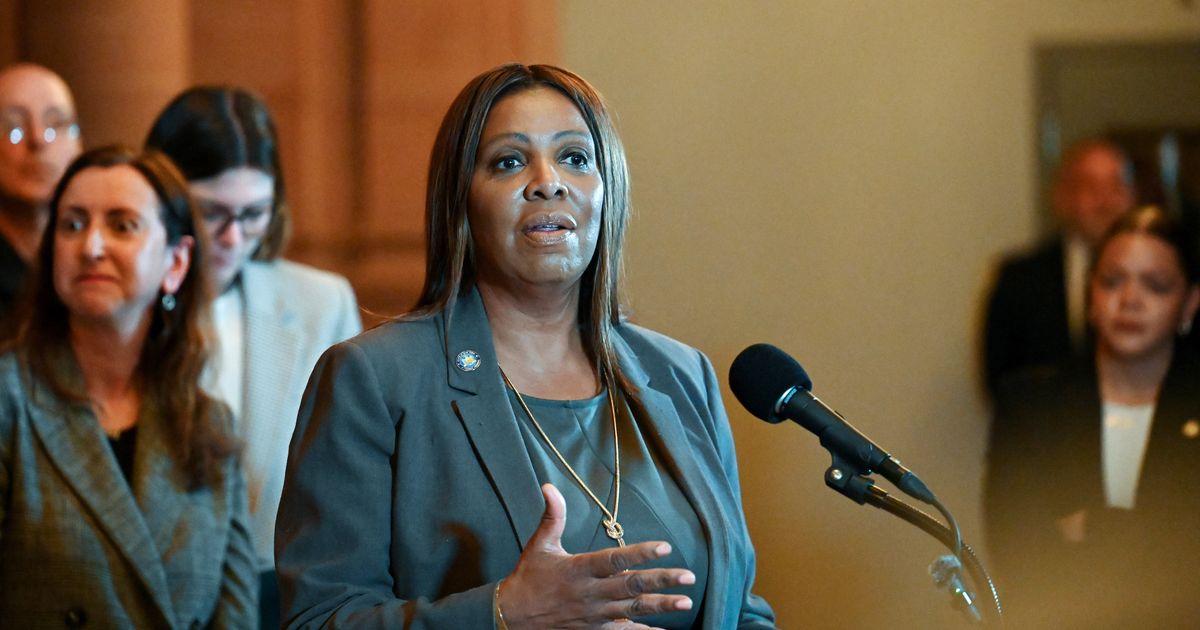
There are many things you can bet on at Kalshi — the weather, the price of a barrel of oil — but one thing the prediction market’s users could not gamble on was the possibility of New York attorney general Letitia James suing them for running a gambling racket that allegedly violates state law. That’s what happened on Friday just after midnight, when her office charged Kalshi for failing to get a license from the New York State Gaming Commission and “sidestepping its obligation to pay taxes” on wagers based on chance.
The stakes are high for Kalshi on this one. James is seeking $36 billion in compensatory damages, which would include Kalshi returning funds to customers and paying a $100,000 civil penalty for each allegedly illegal bet offered in the state.
The petition in state court in Manhattan makes note that Kalshi allows 18-year-olds to wager on its app — where 80 percent of all the money on the line involve sports betting. “New York’s gambling laws protect children from underage betting and help combat gambling addiction,” James said in a statement. “No matter what they call themselves, prediction markets like Kalshi are gambling platforms, plain and simple. By ignoring our laws, Kalshi is running an illegal operation and harming New Yorkers in the process.” Governor Kathy Hochul added in a statement that her office has been working closely with the attorney general on Kalshi, which has “chosen to ignore New York’s gaming laws.”
New York is not alone in attempting to rein in Kalshi during its year of massive expansion amid the Commodity Futures Trading Commission’s lax regulatory oversight. More than a dozen states have tried to block Kalshi and similar prediction markets from offering sports betting in their jurisdictions. But James’s lawsuit represents a significant threat to the company. The New York attorney general has long been a leader in checking the growth of newfangled financial companies, like her yearslong campaign to block crypto firms from illegal trading in New York. In April, she filed a similar petition to block Coinbase and Gemini from offering event contracts she called “quintessentially” gambling.
In a statement to New York, a representative for Kalshi said that the action was “political theater” and that “states can’t just shut down a federally licensed exchange.” So far this year, however, four states have won court orders blocking Kalshi from offering sports contracts, the majority of its business.
Sign Up for the Intelligencer Newsletter
Daily news about the politics, business, and technology shaping our world.
Vox Media, LLC Terms and Privacy Notice
Related