
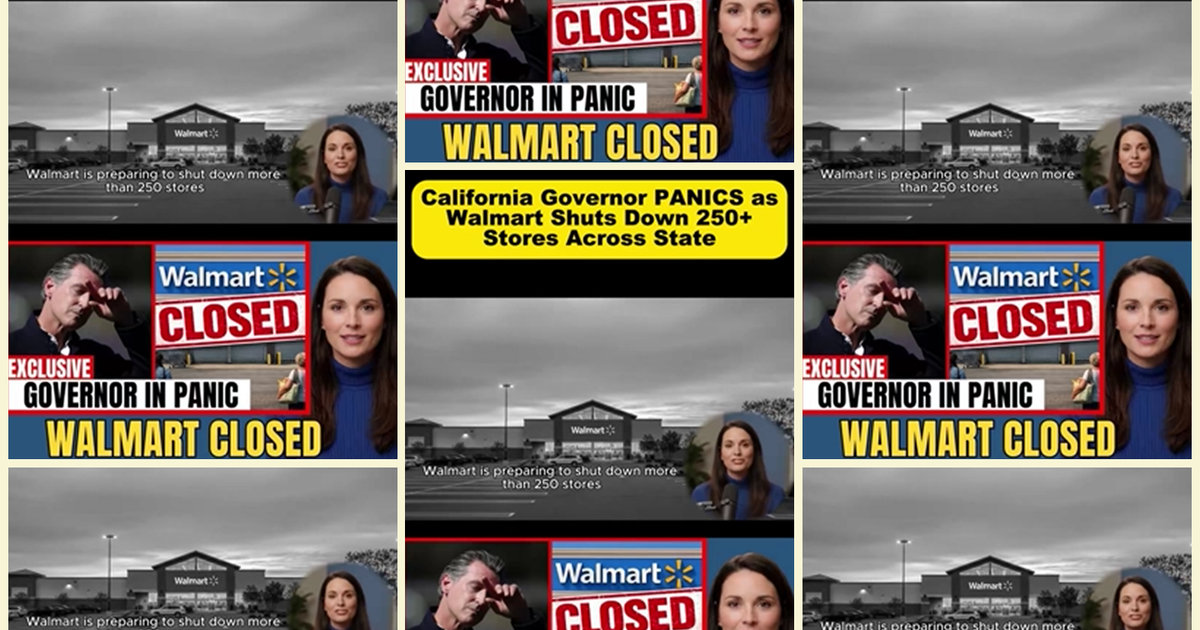
While YouTube remains the most dominant social video platform, AI poses a real challenge. Like all tech companies, YouTube has raced into AI, making new tools for YouTube Shorts, and rolling out AI-generated summaries, transcripts, and interactive chat features.
But the ease of generating cheap, low-quality video has the potential to flood the platform with garbage, a threat that has been on the minds of company executives intent on making YouTube feel more, not less, premium. In a public letter earlier this year, YouTube CEO Neal Mohan called combating AI slop a “top priority.”
“To reduce the spread of low quality AI content, we’re actively building on our established systems that have been very successful in combatting spam and clickbait, and reducing the spread of low quality, repetitive content,” Mohan wrote.
Over the last several months, the platform has tightened the rules around monetizing “inauthentic content,” such as repetitive or template-based videos, AI-generated videos with no clear narrative, and content where AI personas are used to discuss sensitive topics. Rather than taking down individual videos, the company has largely focused on accounts that post AI slop at scale, attempting to trick users and harvest cheap views for ad revenue.
According to video editing company Kapwing, more than 20% of videos that YouTube’s algorithm shows to new users are this sort of low-quality AI-generated content, comprising a growing share of views on the platform as a whole.
Political content seems at the moment to be a relatively small slice of that. But its effects can be significantly dicier for platforms hoping to stay far away from heated controversy.
During the COVID-19 pandemic, for example, YouTube and other platforms faced criticism for their role in the proliferating number of videos with health misinformation, occasionally resulting in account demonetization or removal. This prompted backlash from critics, who felt that the platforms were stifling free speech or putting their thumb on the scale politically.
YouTube has taken a more careful approach towards removing or demonetizing AI-generated content focused on public figures. The company has emphasized that it applies its community guidelines consistently, regardless of political ideology. Many of the company’s efforts have focused on targeting deepfakes, which violate its privacy policy.
YouTube has encouraged public officials, celebrities, journalists, and creators to participate in the likeness protection program, which automatically detects videos featuring the participant’s likeness and allows them to petition the platform for removal.
“We tackle low-quality or deceptive AI content using the systems we’ve developed over years to fight spam and clickbait,” a YouTube spokesperson told Semafor. “As this technology advances, we’re building on those systems with industry-first tools to protect creators’ likenesses, and automatically applying labels to realistic AI content for transparency.”