
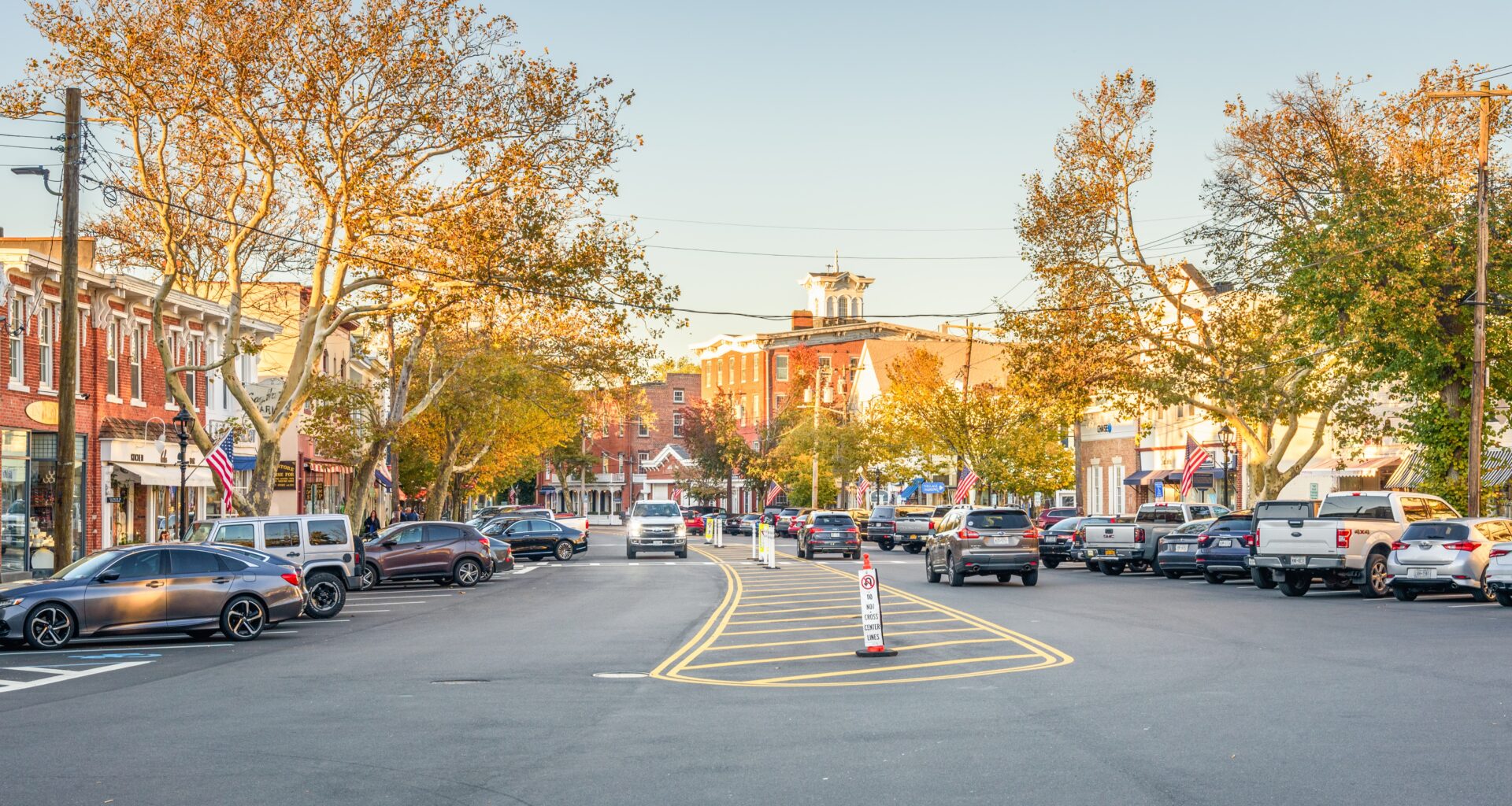
What happens when an affluent New York village tries to make space for affordable housing? In Sag Harbor — which has more yachts visible on Google’s satellite view than it has apartments — the Village Board tried to amend its own rules and allow some parking lots to be developed as homes for the workers who serve wealthy residents.
Instead of construction, they got litigation. It’s what happens when the procedures for building sensible new homes are slow and uncertain. It’s also fixable.
At every step, state law empowers procedure over action. It encourages duplicative reviews of each project, invites lawsuits, and allows regulators to shift the goalposts. Developers can only build homes that are deeply subsidized or which will command a price high enough to justify the delay and uncertainty up front.
In Sag Harbor, an anti-development group brought and won a lawsuit blocking the rezoning. It did not need to prove that redeveloping old parking lots would create any specific environmental harm — just that the village had not gone through enough procedural steps in its environmental review.
Four years and many legal maneuvers later, the owner of a ready-to-be-developed lot and service workers who want to live in the village are stymied. Those who, with the state’s help, are committed to keeping the lot in its current condition — and by default reserving the village for the wealthy — are winning.
New York can still be place where New Yorkers can afford to live. Legislators simply need to rewrite the procedural rules for homebuilding to prioritize prompt, clear decisions. We interviewed planners, builders, officials, and lawyers from all over the state. Based on their collective knowledge, we published a policy brief with 18 specific recommendations.
Shutterstock
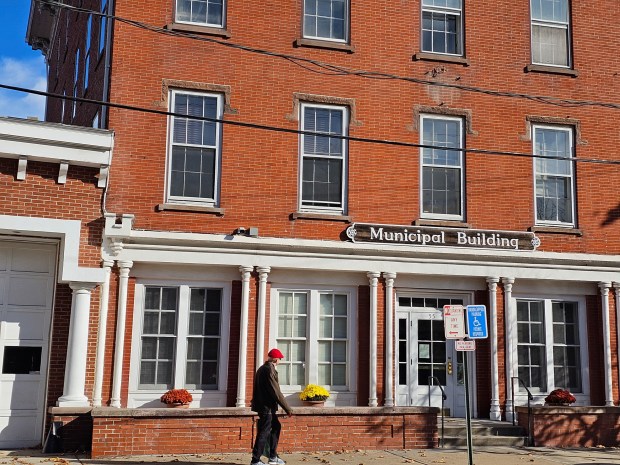
Municipal Building in Sag Harbor, NY (Shutterstock)
Most of our recommendations are so small that they sound trivial, like extending the duration of building-permit validity to avoid the need for cumbersome renewal paperwork halfway through construction. When the cause of death is a thousand cuts, the remedy is not one major surgery; it’s a thousand Band-Aids.
Other Band-Aids include smoothing the coordination between governments. New York requires a non-binding county review of many projects that localities have already approved. That review should be reserved for large, impactful projects and put on a tighter turnaround clock.
Likewise, fewer projects should require state Department of Transportation review, and the department should be able to give a quick thumbs-up to most that do.
Our interviewees consistently identified State Environmental Quality Review (SEQR) as the biggest procedural hurdle. Although “environmental” is in the name, the law is routinely weaponized for political ends and written so broadly that human beings can be considered pollution. Few other states have any such review law; none is as onerous as New York’s.
In the 2026 budget, the Legislature took an important step on SEQR abuse by exempting moderate-scale housing development on previously developed land. The Legislature can expand on that. It should narrow the law’s scope to genuine harms to water, air, and land, and it should narrow who has authority to sue over questions of process. These reforms are needed not just for housing but for commercial and infrastructure projects that, like housing, are routinely delayed by repetitive SEQR procedures.
The Empire State is losing people. Many of these are New Yorkers who would rather stay. Lawmakers can help turn that around by addressing the availability and affordability of housing. And this is one situation where a box of Band-Aids can go a long way.
Furth is a senior research fellow and director of the Urbanity project at the Mercatus Center at George Mason University. He is the coauthor of a new policy brief: “How to Streamline Permitting for Housing in New York.”