
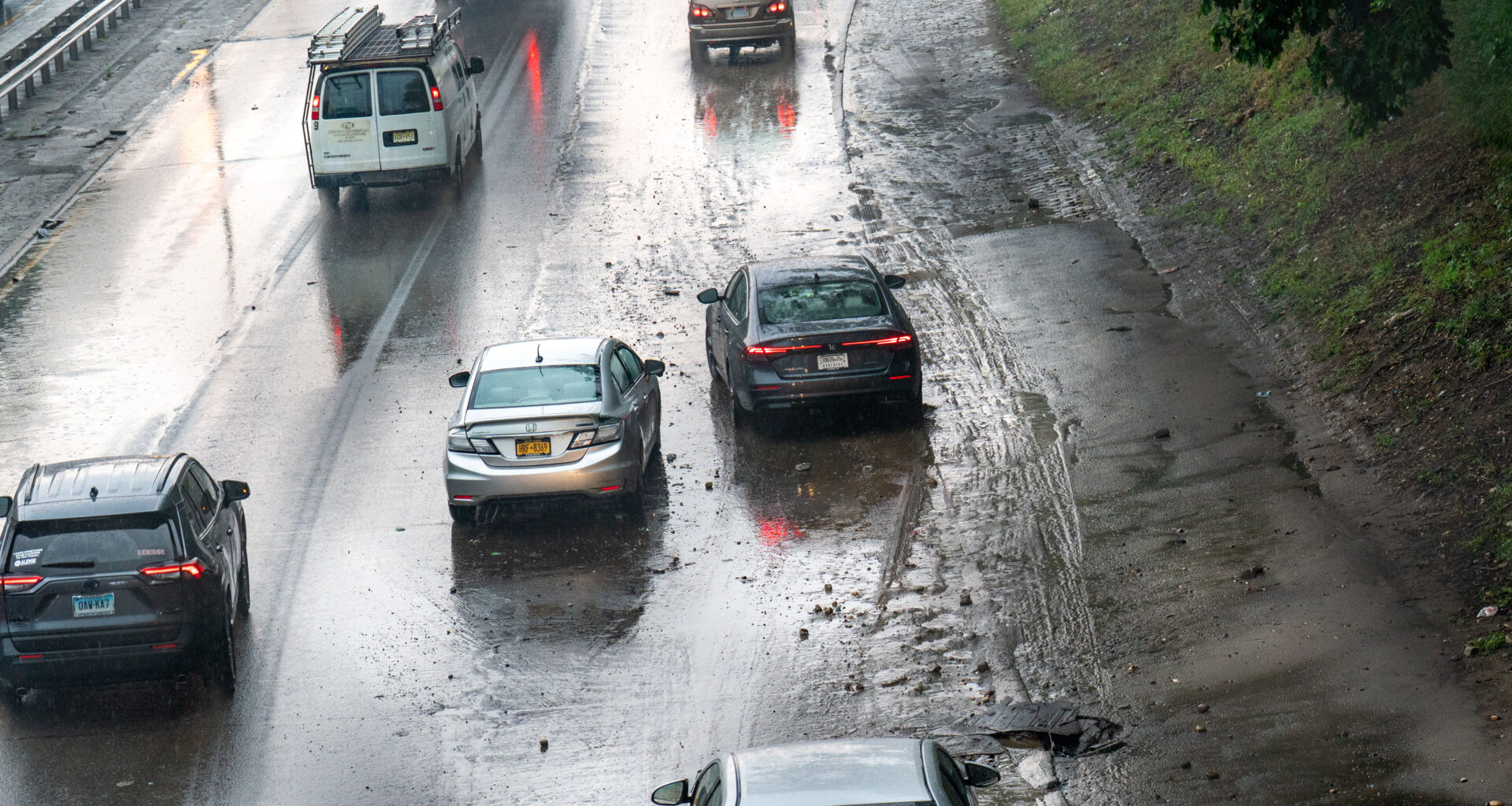
The images were dramatic: a car floating down a Flushing street; rapids rushing down subway tracks in Jackson Heights; firefighters rescuing a driver from a flooded Brooklyn-Queens Expressway. A July 18 deluge put stretches of Central Queens underwater — yet again.
Much of Corona, Flushing, Elmhurst, and East Elmhurst were built on low-lying marshes and meadows along the once four-mile-long Flushing River. After the river was channeled, buried, and its wetlands filled, it came to be called Flushing Creek. Though the river shrunk, stormwater still needed to go somewhere, and the area’s sewage system lagged behind development. Hence sometimes-fatal floods surging through streets and homes.
With a major expansion of housing construction a city priority and climate change intensifying, these neighborhoods face more frequent severe flooding and more contamination of homes and nearby waterways.
Yet another future is possible. To manage flooding, Tokyo built two gargantuan underground systems of tanks and tunnels. One stores 142 million gallons of water. New York has built small projects and plans more, including a 3.3-million-gallon system in Corona. But that’s a drop in the bucket.
Yet, enough land exists nearby for a huge underground stormwater tank up for the task — 78-acres in Flushing Meadows-Corona Park, next to Citi Field. Unfortunately, that’s where state officials approved a massive casino and hotel complex, “Metropolitan Park.”
That approval came despite opposition from grassroots groups that warned the casino would profit from the gambling addiction of vulnerable nearby populations and siphon earnings from working-class residents. The go-ahead also came despite a greener vision; FED-UP, a coalition of Queens groups and residents, proposed a true city park called Phoenix Meadows.
Officials brushed off these concerns. Still the persistent flooding could not be completely hidden. A Dec. 1, 2025, document by the New York Gaming Facility Location Board revealed that the casino’s plans do “not sufficiently address stormwater management or long-term climate resiliency.” Two weeks later, the state Gaming Commission approved the casino license.
Greater attention to disastrous flooding may be coming; Mayor Mamdani recently announced $43-million for flood protection for Lower Manhattan, not Queens.
A large stormwater tank also would dramatically improve water quality of Flushing Bay and Creek, two of the city’s most polluted waters. Now even moderate rains overload treatment plants, sending sewage into the bay and creek. Despite decades of government efforts, the problem persists.
Creation of Phoenix Meadows park would boost the borough’s paltry tree canopy. Climate change is worsening extreme summer heat, something that more trees can ease. Neighborhoods with many large trees are significantly cooler than those without, studies report. Trees are Mother Nature’s air conditioners.
There is still time to build this vital green infrastructure for Queens. A lawsuit by Queens residents to revoke the casino’s license is headed to a state courthouse in Manhattan. But elected officials could act now. They should reclaim this land for the public good it was created for and heal more than a century of environmental abuse.
Maniace is a director of a Queens nonprofit that opposes Metropolitan Park and one of five residents suing to revoke the casino’s state license. Ahmed has provided testimony about chronic sewage flooding of her East Elmhurst neighborhood. Flanagan is a board member of Guardians of Flushing Bay and an advocate for public parks and their protection. Treglia is a lead scientist at The Nature Conservancy’s Manhattan office. Yeung is media relations manager at The Nature Conservancy’s Manhattan office.