
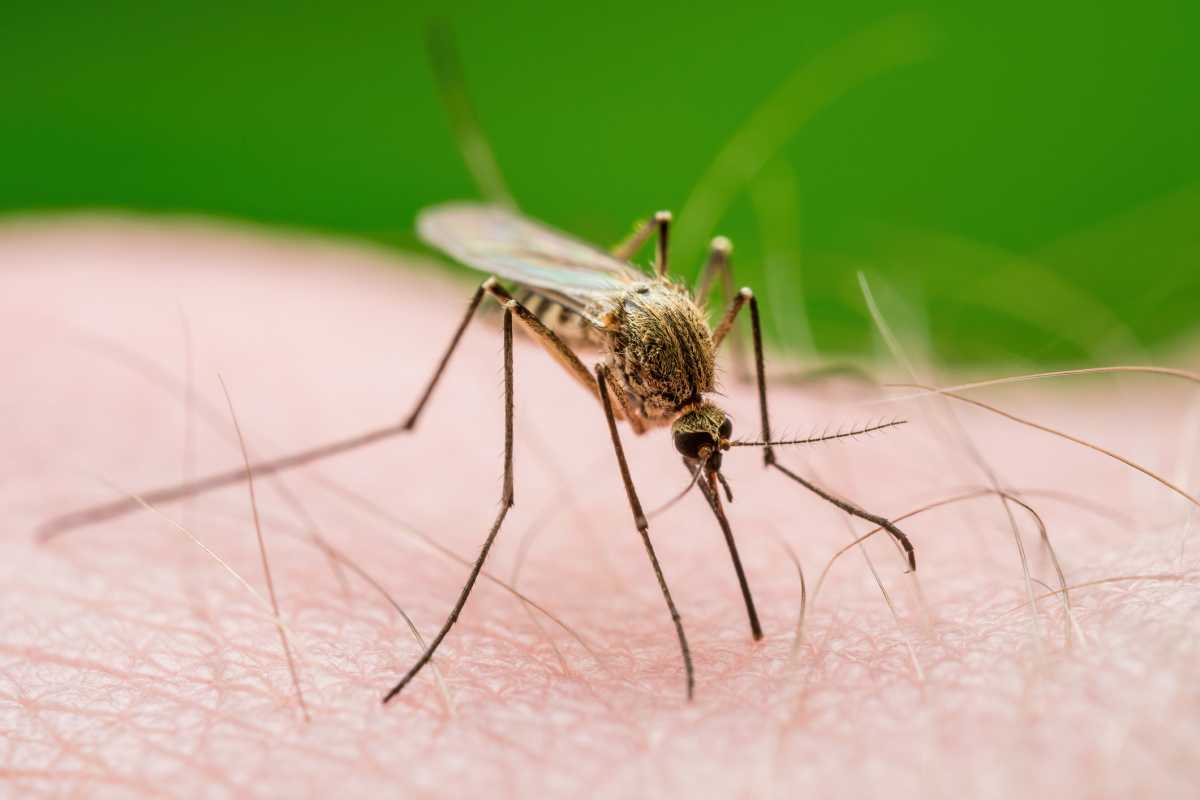
It’s that time of year again — the New York City Health Department will be spraying parts of Queens and Staten Island, as well as the city’s wetlands, next week to combat the growing population of mosquitoes carrying West Nile Virus.
The Health Department announced on Friday that they will conduct aerial treatment (larviciding) and truck-based treatment (adulticiding) for both mosquito larvae and adult mosquitoes. The measures come following a recent report from the Health Department’s ongoing mosquito surveillance program, which identified increased West Nile virus activity, elevated populations of mosquitoes capable of transmitting the virus, and an increased risk of virus transmission within the proposed treatment areas.
So far, no human cases of West Nile Virus have been reported in New York City.
“Our mosquito surveillance programs helps us identify areas where the risk of West Nile virus is increasing so we can take timely, targeted action to protect New Yorkers,” said NYC Health Commissioner, Dr. Alister F. Martin. “Using multiple mosquito control strategies, including aerial larviciding in marshes and wetlands and targeted truck-based mosquito control in areas at elevated risk, helps reduce mosquito populations and lowers the risk of West Nile virus while minimizing impacts on people and the environment.”
Weather permitting, on Aug. 10, designated areas of Staten Island will receive treatment. This area includes parts of Arrochar, Concord, Dongan Hills, Emerson Hill, Grant City, Grasmere, Midland Beach, New Dorp, Oakwood, Oakwood Heights, Old Town, Richmond, and Todt Hill.
 This map shows which areas of Staten Island will be treated for mosquitoes.Map courtesy of the New York City Health Department
On Aug. 12, designated areas of Queens will be treated. This area includes parts of Briarwood, Cypress Hills, East Williamsburg, Elmhurst, Fresh Pond, Forest Park, Glendale, Greenpoint, Hunter’s Point, Kew Gardens, Liberty Park, Long Island City, Maspeth, Middle Village, Ozone Park, Rego Park, Richmond Hill, Ridgewood, South Richmond Hill, Sunnyside, Sunnyside Gardens, Woodhaven, and Woodside.
 This map shows which areas of Queens will be treated for mosquitoes.Map courtesy of the New York City Health Department
The Health Department says that treatments pose no significant risk to people or pets, but those who wish to minimize exposure can choose to remain inside during spraying and close windows facing the street until the application is done.
In addition to these treatments, from Aug. 10 through 12, the Health Department will perform larviciding treatments over select nonresidential marshes and wetlands in the Bronx, Brooklyn, Queens, and Staten Island. The areas that will be treated include the Bronx’s Pelham Bay Park, Brooklyn’s Fresh Creek Basin and Marine Park, Staten Island’s Arlington, Bloomfield, Blue Heron Park, Charleston, Chelsea, Fresh Kills, Howland Hook, Old Place, Old Town, Port Mobile, Richmond Town, South Beach, Travis, and Wolfe’s Pond Park, and Alley Pond Park, Brookville, College Point, Edgemere, Kissena Park, Linden Hill, Rosedale, and Somerville in Queens. Alternative dates in the event of inclement weather are from August 11 to 14.
The Health Department says that New Yorkers can help reduce the breeding of mosquitoes by eliminating standing water around their homes, including in buckets, flowerpots, birdbaths, tarps, and clogged gutters. New Yorkers should also use EPA-registered insect repellent, wear long sleeves and pants when outdoors during peak mosquito activity, and ensure window and door screens are in good repair.
For a full breakdown of the spraying zones and more information about mosquito control and West Nile Virus, visit nyc.gov/health/wnv.