
STATEN ISLAND, N.Y. — Staten Islanders have long pleaded with government health officials to determine why borough residents are diagnosed with cancer at a higher rate than their New York City neighbors.
And to their credit, officials have listened, with both the city and state health departments releasing reports within the last decade examining Staten Island’s elevated cancer rates.
Yet after years of studies, reports and debate, many residents say they are no closer to understanding why Staten Island continues to experience elevated cancer rates, leaving them frustrated and searching for answers.
“We lead the city in all of these cancers in terms of cancer rate per 100,000 lives and I’m not sure we have the answers at this point or the explanation,” said Dr. Anthony Ferreri, the former CEO of Staten Island University Hospital who has battled four separate cancers.
“You would think the city would say, ‘Well, we need to pay more attention to the smallest borough because the rate of cancer is higher there than anywhere else,’” Ferreri said. “I think the city should be more alarmed.”
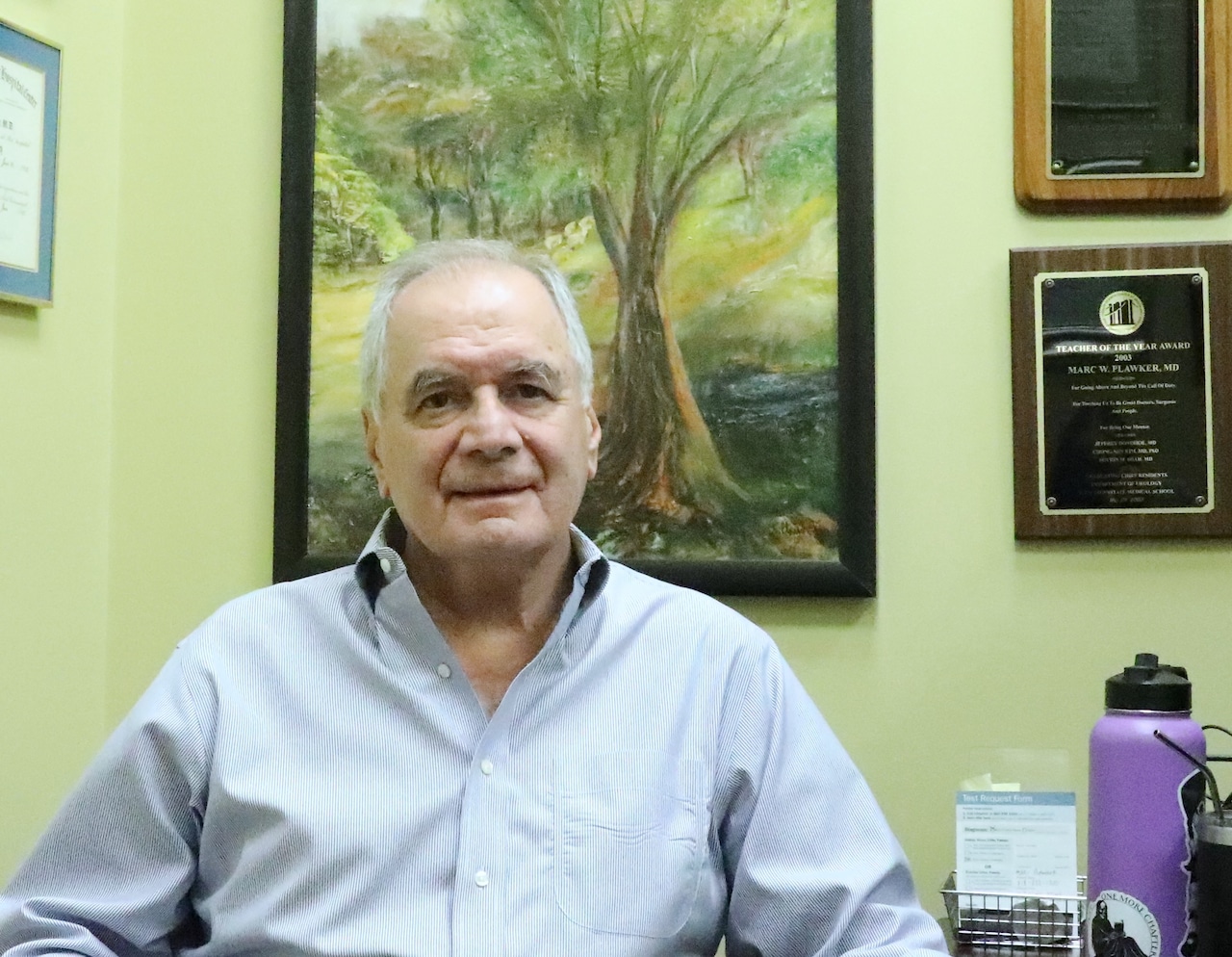 Dr. Anthony Ferreri, former CEO of Staten Island University Hospital, has battled four distinct cancers and is now calling on state and city government to formally investigate why cancer rates on Staten Island are the highest among the five boroughs.(Advance/SILive.com|Jan Somma-Hammel)
While both studies acknowledged Staten Island’s elevated rates compared to the rest of New York City, neither were able to directly link those rates to environmental factors, like the former Fresh Kills and Brookfield landfills, that many borough residents contend play a major role.
Disappointment in the relatively narrow scope of the recent reports has prompted calls for a new longterm, comprehensive study, though the feasibility of such a study remains a question given the expected resources and time it would require.
Dr. Maaike van Gerwen, a Mount Sinai researcher specializing in thyroid cancer and environmental exposures, recently told the Advance/SILive.com that a study of that nature would cost millions of dollars and require decades of tracking participants, which is why they’re rarely conducted.
Until then, Staten Islanders have been left with occasional reports from government health agencies using limited data that is unlikely to produce the answers borough residents are so desperately seeking.
State study attempts to minimize concerns
One of the most recent reports, published by the New York State Department of Health in 2019, found that Staten Island’s rates were statistically significantly higher than the rest of New York City for 11 of the 17 forms of cancer that were evaluated.
However, researchers chose to focus solely on thyroid cancer, claiming it was “the only cancer that stood out as unusually high compared to other areas of New York state.”
Researchers claimed it was more appropriate to compare the borough’s rates to the rest New York state, excluding New York City, as opposed to the other four boroughs, with Staten Island’s demographic make-up being more similar to the rest of the state than the rest of the city.
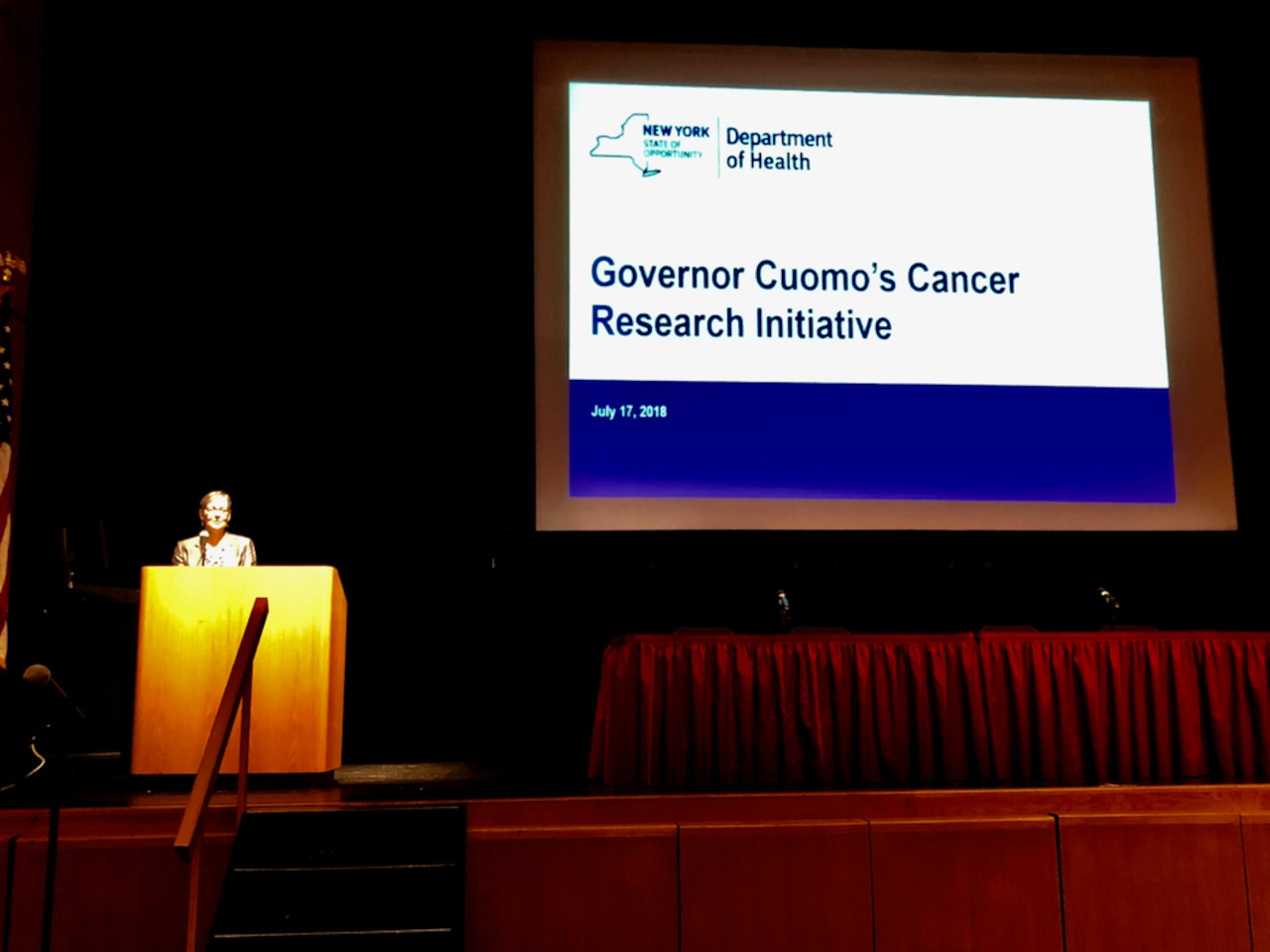 The New York State Department of Health held a public meeting on the College of Staten Island campus in July 2018 as part of a yearlong study on Staten Island’s high cancer rates.Staten Island Advance
“I know that there’s a common perception that’s been present on Staten Island that there’s a cancer problem. Cancer is incredibly common and it’s a problem all over. But really, in large part, Staten Island is not experiencing rates of cancers that are much different than we would expect based on a more appropriate comparison population,” Brad Hutton, former state Department of Health deputy commissioner of public health, told residents at a public meeting following the release of the report.
As a result, the report’s findings and recommendations focused exclusively on the borough’s rates of thyroid cancer, essentially ignoring all other forms of cancer, despite Staten Island having various rates that were significantly higher than the rest of New York City.
The state’s decision to zero in on thyroid cancer was a point of frustration for some residents who believed the emphasis should have been on the more severe forms of cancer.
“I found it very shocking that you were tasked with determining cancer on Staten Island and the high rates, but you decided to focus on thyroid cancer, as opposed to other cancers that actually are causing mortality and killing individuals,” Dr. Charley Ferrer, CEO and founder of Cancer Tamer Inc, said at the time.
“I’m a little disappointed that the study you were tasked with did not include all these other issues, especially something like breast cancer that is killing women here,” Dr. Ferrer added.
In regard to thyroid cancer, the study found that from 2011 through 2015 rates on Staten Island were 67% higher than the rest of New York City and 69% higher than the rest of the state, excluding the city.
Researchers attributed the high rate of thyroid cancer on Staten Island, in part, to increases in screening, which often result in the discovery and diagnosis of asymptomatic cancers.
The governor’s study stated that Staten Island has seen an increase in thyroid cancer screenings, with free thyroid cancer screening events hosted by local elected officials over the years.
The study evaluated industrial and inactive hazardous waste disposal sites, with many Staten Islanders having voiced concerns that the Fresh Kills Landfill, along with other radioactive sites throughout the borough, could be responsible for the borough’s increased cancer rates.
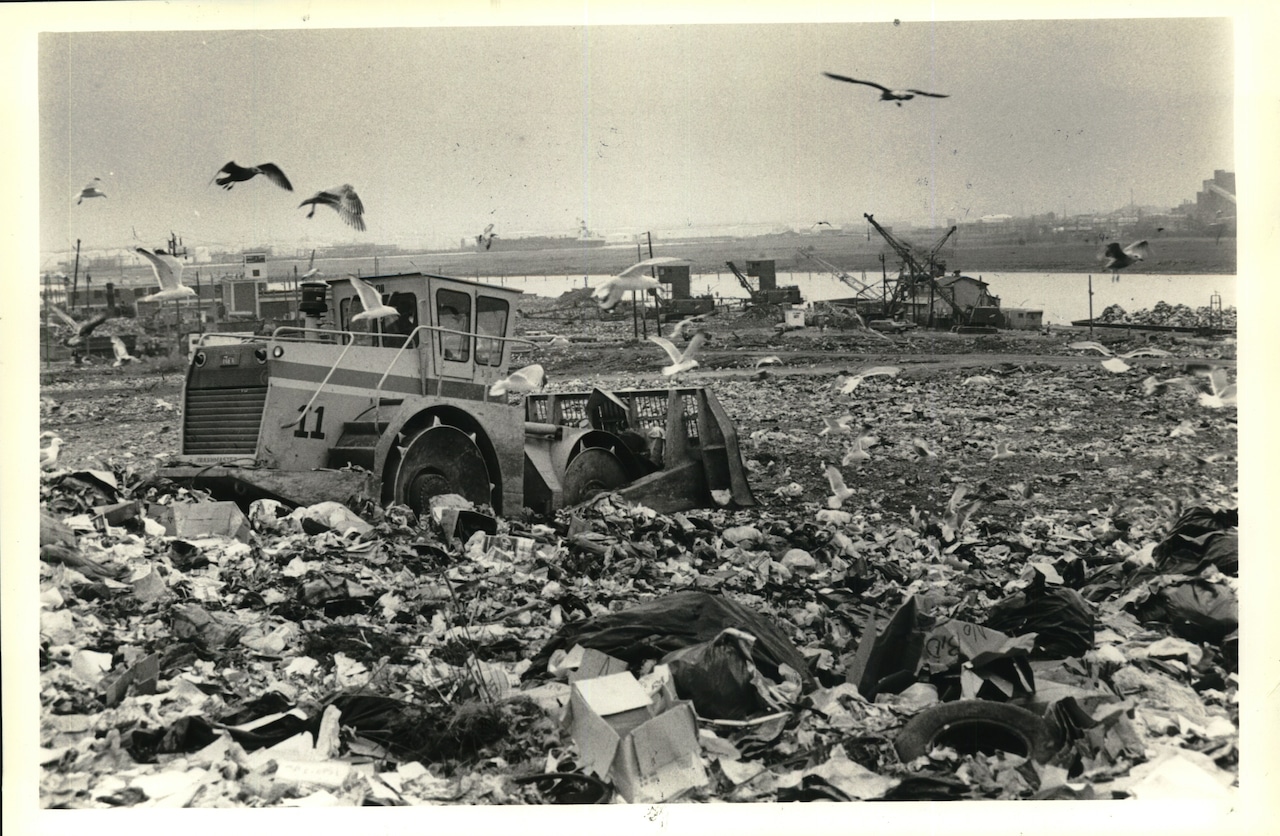 Staten Islanders have long worried that the former Fresh Kills Landfill contributed to the borough’s elevated cancer rates.Staten Island Advance
However, researchers claimed these sites play an insignificant role.
“Researchers reviewed comprehensive reports from the Agency for Toxic Substances and Disease Registry and the NYC Department of Health and Mental Hygiene. This evaluation showed no information suggesting contamination from Fresh Kills or other sites is causing widespread exposures on Staten Island,” according to the study.
But some residents, like Jane Parisi of Oakwood, were skeptical of the assertion that environmental factors don’t play a role in the borough’s increased cancer rates, calling for the use of proactive testing as opposed to relying on retroactive data.
“I hear a lot here about data, which is obviously a necessity, but it doesn’t seem like anybody here is getting their hands dirty. Are you going and testing the air on the South Shore at 3 a.m.? Are you going and literally taking ground samples?” Parisi asked health officials in 2019. “There’s a tremendous amount that needs to be looked at with the data, but it also needs to be accurately, physically checked.”
City reports higher rates near landfill
Another report published in 2020 by the city Health Department found no cancer link to the Fresh Kills Landfill, despite finding higher rates among the population living near the former dump.
Officials wrote in their report that a study conducted from 1995 to 2015 “found little evidence of an association between living close to the former Fresh Kills Landfill and cancer.”
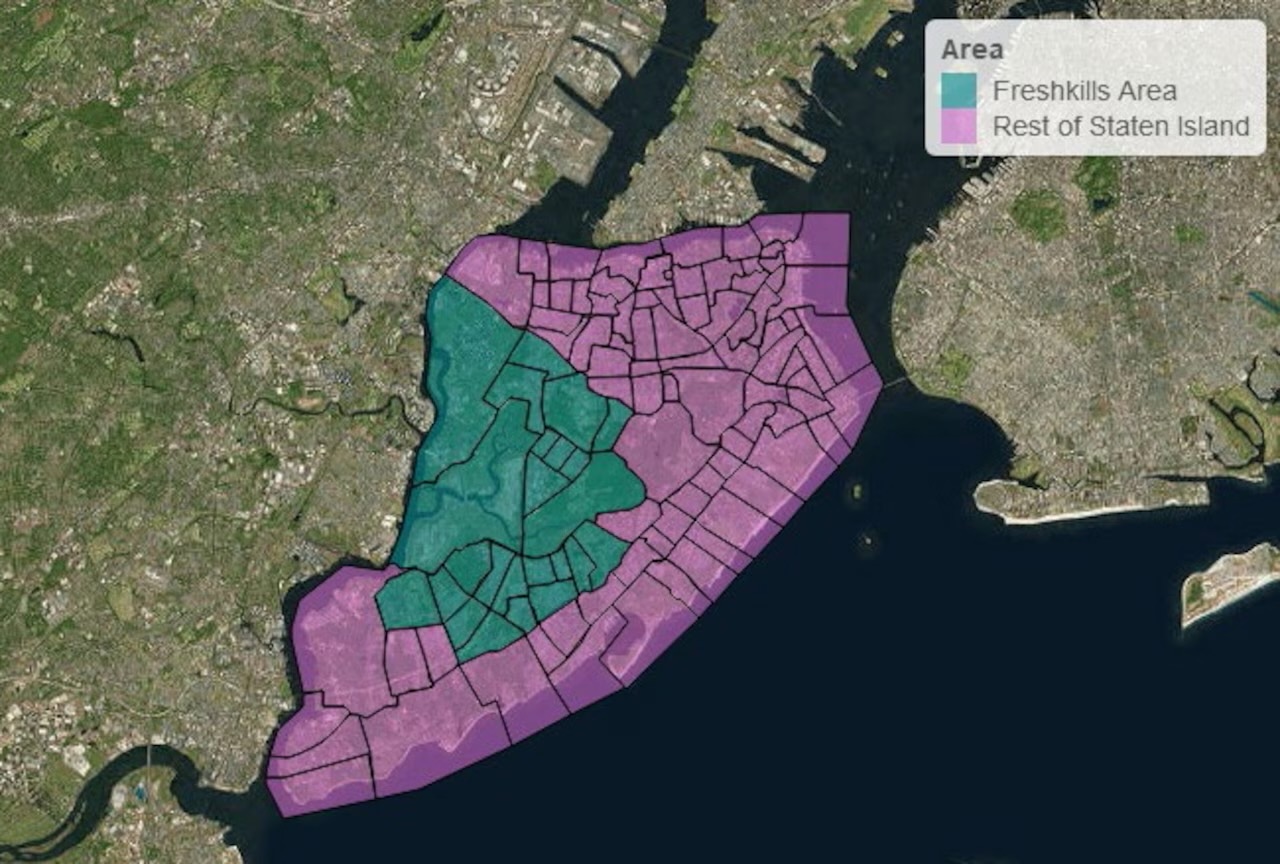 A map of the city’s “Fresh Kills Landfill study area” shown in green.Courtesy: Department of Health and Mental Hygiene
Researchers did find higher cancer rates among adults for five types of the disease — bladder, breast, kidney, non-Hodgkin lymphoma and thyroid — in the “Fresh Kills Landfill study area” when compared with the rest of the Island.
However, the report claimed that those elevated rates were not consistent enough over time to prove the landfill caused the cancers, with researchers suggesting other factors were likely to blame.
“Variation in known risk factors and cancer detection rates across Staten Island are more plausible explanations than potential exposures from the landfill for the few elevations in rates we observed,” Department of Health officials wrote.
Their report pointed to increased screening rates, and known risk factors, like age, race, diet and smoking as possible reasons for the increased rates.
Researchers noted that Staten Island’s smoking rates had long been the highest of any borough, with 19.9% of adults identifying as smokers in 2020.
Similar studies were conducted by the city in 1996 and 2000, neither of which found any statistically significant elevations in cancer rates in the Fresh Kills Landfill area compared to the rest of Staten Island.
Help us tell the Staten Island cancer story
As part of our ongoing Advance/SILive.com series on cancer, we want to hear from Staten Islanders whose lives have been affected by the disease. Please take our poll below and share your experience.
If you’d like to weigh in on Staten Island’s high cancer rate, send a letter to tips@siadvance.com for possible publication. Please include “Cancer Opinion” in the subject line.
Loading…