
Wanted: Experienced grocer who can help run Mayor Zohran Mamdani’s grocery stores.
Who exactly takes this job will help determine a bunch of key details about the city’s bold plan to alleviate consumer costs, such as what will be stocked on the shelves and who will be there to help customers.
With the first store set to open late next year, Gothamist spoke to food experts and reviewed the city’s request for proposals to understand how this idea could work — and where it could go wrong.
What do we know about who will run the stores?
A private operator or several will be in charge of day-to-day management. That includes buying the food, determining what gets purchased and from which wholesalers, staffing the store and maintaining the facility.
Food experts say it’s pragmatic for the city to outsource the most complicated parts of running a grocery store, especially if it wants to open locations quickly. The deadline for grocers or other qualified organizations to submit their proposals to the city is Oct. 16.
What’s going to be discounted?
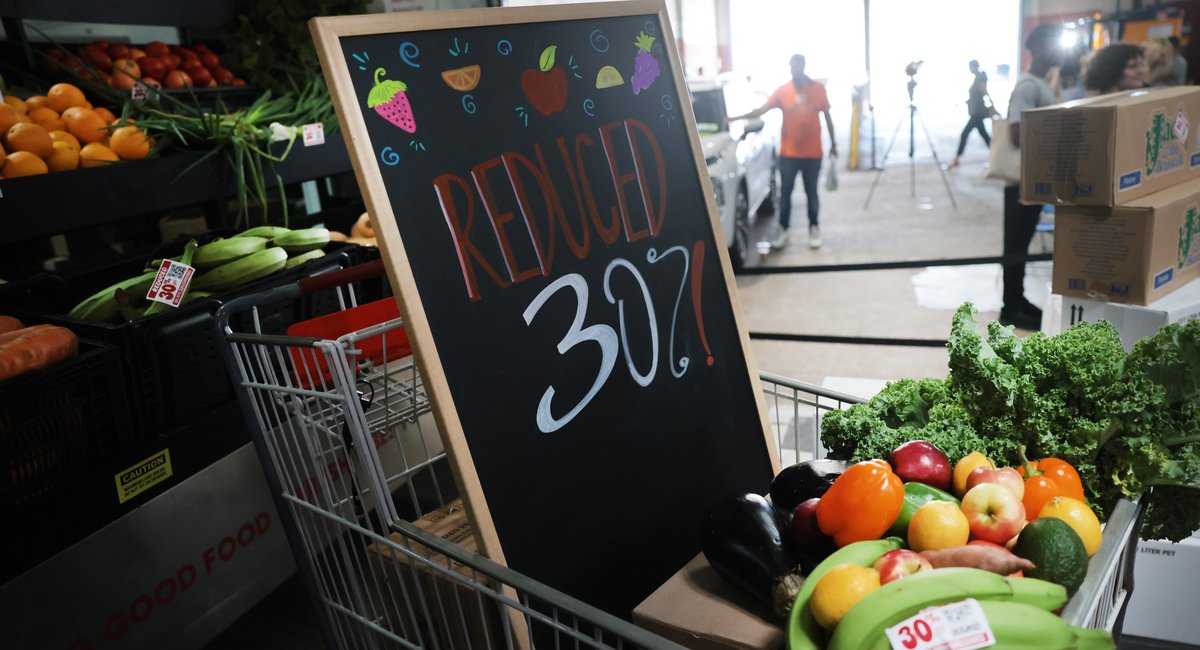
A “core” basket of items will be sold 30% cheaper than typical retail prices. The prices will be set once a month and not change, city officials said. Items include:
All produce including whole, pre-cut and ready to eat and some frozen.Meat and seafoodDeli meatsYogurtCheeseMilkEggsButterTofuPastaSandwich breadCerealTunaPasta sauceSoupCooking oil, non-hydrogenatedNutsRiceFlourBeans
Items that are highly processed or have excess sugars and fats will not be discounted.
What about items that are not discounted?
It’s not clear what other items will be sold but stores must cater to diverse dietary needs including kosher, halal, gluten-free and diabetic options. They will not sell alcohol, nicotine or tobacco products.
If prices will be slashed by 30 percent, where will the city get its baseline?
City officials said they’re still figuring out how they will determine typical retail prices in order to reduce their prices by a third. In general, food prices vary by store, brand, size, neighborhood and can fluctuate daily, depending on deals or how quickly produce will spoil. Officials said the grocer they choose to run the stores will help determine that.
Will the city run stores hurt local grocery stores and bodegas?
Local grocers and bodega groups have criticized Mamdani’s plan — and even sued — and say it will hurt their business. But food experts say opening just five stores isn’t enough to upset the market. They say the businesses that could see some impact will be those in close proximity to the stores. City officials say bodega owners shouldn’t worry, as the markets won’t sell items like cigarettes, beer or hot foods — that tend to drive revenue.
What kind of jobs will the groceries create?
The city has said the store operator should prioritize full-time employees, and provide affordable health insurance, “family-sustaining wages” and benefits. The store operator will determine staffing but work with the Economic Development Corporation to finalize pay and benefits.
What will these stores cost the city?
City officials say they will initially spend $70 million to build the stores. The city will also cover rent and taxes for each location and most likely subsidize operational costs to ensure the basket of items remains 30% below retail costs. How much they’ll have to subsidize will depend on the grocer they hire and what sort of relationships they have with wholesalers and suppliers.
Has this plan ever been tried before?
Not exactly. While the city already subsidizes six markets such as Essex Street Market on the Lower East Side and Moore Street Market in East Williamsburg, the municipal grocery stores will operate on a larger scale. Food experts say similar public-private partnerships in other states failed because they’ve been underfunded.
“ The key to this is that the city is going subsidize, they’re gonna buy down the prices,” said Errol Schweizer, former vice president of grocery at Whole Foods, who runs the Substack The Checkout Grocery Update and is consulting with the city on its plans.
He says the Defense Commissary Agency, which operates grocery stores for members of the military, is the best example of a government-run operation that works. It offers about 25% discounts on all items but only for military personnel, veterans or civilian personnel and their families.
The city’s stores will be for New Yorkers and open to all.
Where will the stores be located?
The first store to open will be 15,000 square feet in the Bronx at La Peninsula, an affordable housing development located at 1215 Spofford Avenue. The second will be 12,000 square feet and open in 2029. It will be in Manhattan in La Marqueta, located at 11658 Park Avenue. The city is still looking for other locations in Queens, Brooklyn and Staten Island.
Who can shop at these stores?
Anyone. The stores will also accept SNAP and WIC payments. No identification will be required at the door.
Could this model expand?
Food experts say if the city creates a model that works, it can be replicated in more locations or even outside New York.
There’s also an opportunity to create a delivery and supply chain that can be opened up to other smaller grocers and bodegas so they can pass those savings on to their customers. In the grocery business, often larger chains can get better deals from wholesalers and offer lower prices than local mom-and-pop stores.
James Oehmke, director of economic development for the School of Environmental and Biological Sciences at Rutgers University, said once the city invests in the idea, the challenge for the Mamdani administration will justify that investment by moving the needle on food affordability.
“This is the experiment that voters wanted. Now you’re going to try it with five stores, that’s a reasonable experiment size,” he said.