
The backlash against Flock cameras, DOJ incentivizes aggressive policing, and more.
This is your first of three free stories this month. Become a free or sustaining member to read unlimited articles, webinars and ebooks.
Welcome back to The Weekly Wrap, our Friday roundup of stories that explain the problems oppressing people in cities and elevate the solutions that bring us closer to economic, environmental, and social justice. If you enjoy this newsletter, share it with a friend or colleague and tell them to subscribe.
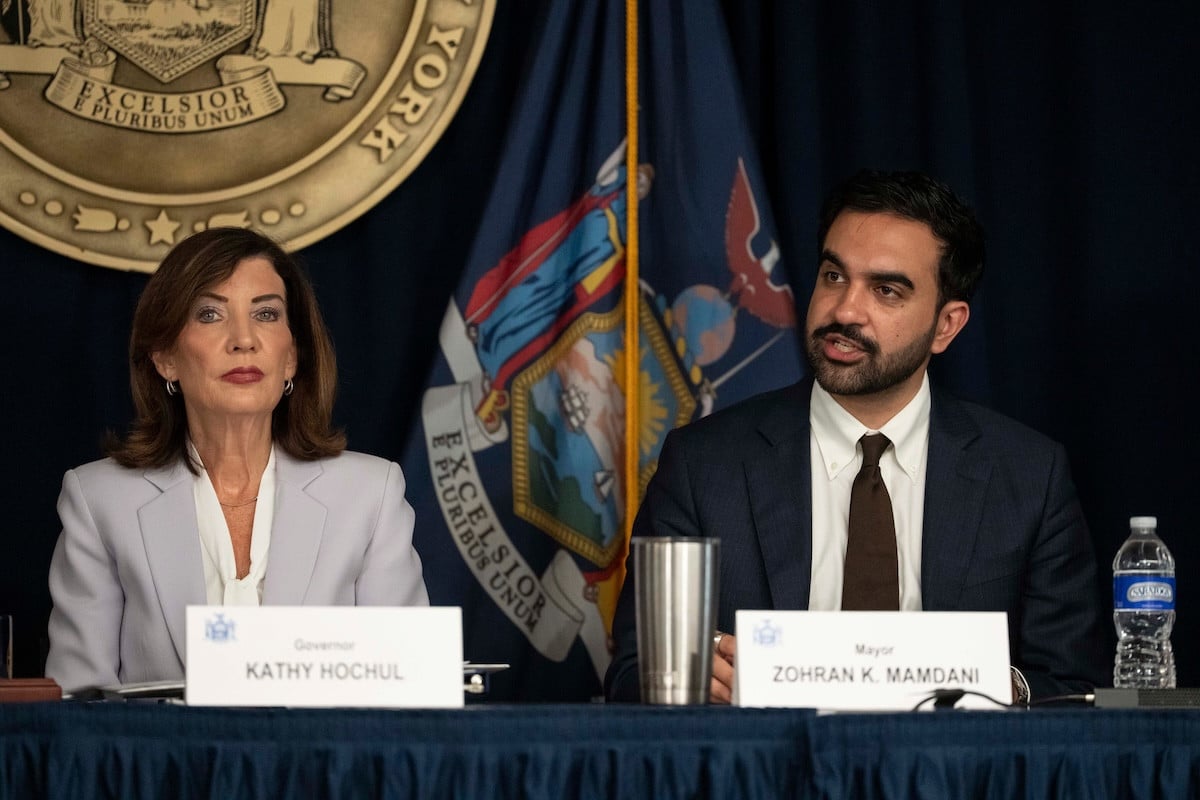
Judge Blocks Mamdani Pied-á-terre Tax
A judge’s order has blocked a tax on luxury second homes in New York City, Gothamist reports, but a spokesperson for the mayor says the city will still be implementing the tax as it goes through appeal.
Passed in the latest state budget, the pied-à-terre tax will apply to second homes worth more than $5 million and will range from 0.8% to 6.5%. Rollout began in July, with more than 17,000 notices sent to property owners who will be subject to the tax unless they file for an exemption
The Staten Island judge who issued the ruling may have a personal interest in the law’s outcome, amNewYork reports: He is listed on a public property roll released as part of the pied-a-terre rollout, although there’s no indication he was among those whose property would be taxed.
Flock Cameras Face Nationwide Backlash
Flock Safety, whose vast surveillance camera network is used by about 40% of U.S. police departments, announced this week that the company will make security changes to quell widespread public outrage over privacy problems and law enforcement abuse — including months of controversies involving police officers using Flock to stalk women.
Local governments across the country are facing rising scrutiny over their use of Flock cameras, which record license plates and other details on the road. Flock camera use has been paused in New Bedford, Massachusetts, and the City of Cambridge ended its contract in December. In Isanti County, which includes Duluth, Minnesota, the sheriff decided to end a test run of Flock cameras after facing backlash, as did the city of West Saint Paul. The decision came after three Flock cameras were sawed down in Isanti County as well as eight in Winona. An organization called DeFlock South Jersey is trying to get the cameras removed locally. And in Milwaukee, a woman was pulled over twice after her car was wrongly identified as part of a homicide investigation.
Trump’s DOJ Is Offering Cities $300 Million for Aggressive Policing — With Major Strings Attached
The Trump administration is offering up to $300 million in federal grants to two to four cities willing to adopt Memphis-style police enforcement surges, The Guardian reports, but the conditions are drawing resistance from municipal leaders.
Under the Department of Justice’s new “Model Cities” initiative, funded through Trump’s One Big Beautiful Bill Act, recipient cities must cooperate with federal immigration enforcement, ban urban camping and loitering, abandon Housing First homelessness policies, and potentially repay federal costs if violent crime or “civil unrest” surges on their watch. Cities must also demonstrate buy-in from mayors, city councils, and sheriff’s offices to qualify.
The DOJ has cited Washington, D.C. and Memphis — both of which have National Guard troops patrolling streets — as models to emulate, despite four officer-involved deaths in Memphis since the taskforce launched last September.
Several Democratic-majority cities have already declined to apply. The city council in Billings, Montana voted 9-1 against applying, and San Bernardino, California pulled the vote from its agenda after public outcry.
Grid Stability Threatened by Trump Cuts
The Trump administration has stalled grants meant to fund thousands of projects to stabilize the grid around the country, Grist reports. These include a project to reduce power outages in tribal communities in Wisconsin, smart meters in Sacramento, and $464 million to reduce grid congestion in the midwest.
Some of the grant cancellations were targeted political retribution against elected leaders in blue states, according to The New York Times, although the grant cuts have impacted red states as well. According to an April report, the administration has canceled 356 grants totaling $3.5 billion since January 2025.
Outdoor Dining Returns to New York City
In great news for New Yorkers who are immunocompromised or simply want to reduce their risk of contagion while meeting up with friends for dinner, the New York City Council has lifted its restrictions on outdoor dining.
Outdoor dining was permitted during the first few months of the Covid-19 pandemic but restricted during the Adams administration, as the city council implemented seasonal restrictions that made the entire process prohibitively expensive for restaurants. A report by former comptroller Brad Lander found that 12,500 outdoor structures went up after 2020 and that two-thirds of them came down after the city council restricted the practice. The bill will take effect in the fall.
MORE NEWS
Seattle advances ban on surveillance pricing, targeting grocery giants. The Urbanist
Houston TIRZ combatting abandoned buildings receives half-million-dollar federal grant. Houston Public Media
How students are spreading the word about Chicago tenants’ right to buying their own building. WBEZ
Inglewood is bulldozing a shopping center with more than 20 businesses for a stadium shuttle system. LA Local
NYCHA tenants sue over police access to surveillance cameras. City Limits
Kids keep getting hurt and killed on e-bikes. Should parents be held responsible? Associated Press
The million-dollar industry built around North Carolina’s affordable housing tax break. IndyWeek
Destination Crenshaw was supposed to celebrate South L.A.’s Black community, but some say it’s become an eyesore. The LA Local
Can immigrant entrepreneurs save Main Street? Planetizen
North Carolina removes unauthorized bus benches installed by DSA members. Port City Daily
OPPORTUNITIES & RESOURCES
The T.D. Jakes Foundation is accepting applications for its Social Impact Grant Challenge from nonprofits working on financial inclusion, educational access and workforce readiness, or community transformation and wellbeing. Apply by Aug. 23.
The Pratt Center for Community Development’s new Community Planning & Research Accelerator will support four community-based organizations working on housing, climate, economic justice, planning, and land use with project funding in technical assistance. Apply by Aug. 31.
The Nationwide Foundation is funding nonprofit organizations working to address communities’ basic and emergency needs, crisis stabilization, financial security, housing stability, and family empowerment. Apply by Sept. 1 after completing a mandatory grant training.
Stanley 1913 is accepting applications for its Creators Fund, which supports bold and innovative leaders of nonprofits anywhere in the world (with budgets between $200K and $2M to be eligible) working to strengthen their communities. Apply by Sept. 13.
Impact Fund is accepting grant applications for impact litigation advancing economic, environmental, and social justice. Submit a letter of interest by Sept. 29.

Roshan Abraham is a contributing editor for housing and homelessness at Next City. Based in Queens, New York, he has written extensively about city policy, including prisons and policing, housing and homelessness for The Guardian, The New York Times, Slate, The Baffler, Village Voice, The Verge, Pacific Standard, The Appeal, Vice and other outlets. At Vice, he was formerly a staff writer covering the housing beat. He is a former Open City Fellow and Witness Fellow at the Asian American Writers Workshop and a former Equitable Cities Fellow at Next City.