
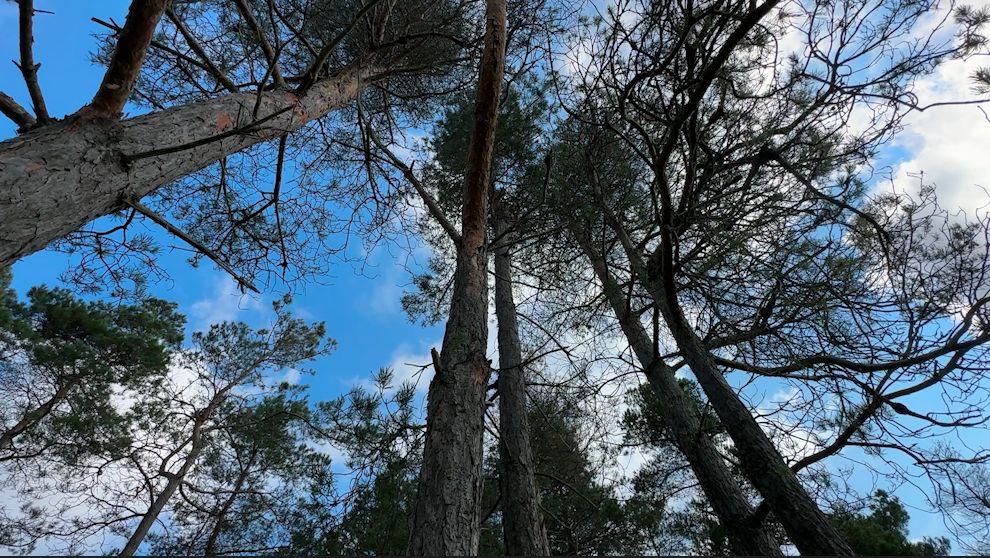
NEW YORK – We look at them every day, enjoy their shade on sunny, hot days and have a swing hanging off their biggest branches. But how many times have you given your trees a checkup?
Trees near you could pose a safety risk and eventually cost you thousands of dollars in cleanup.
It only takes a few minutes to check out your trees and look for early signs of invasive pests. A sign of a healthy tree is a strong root system that is entirely underground. A good canopy should have a lot of color.
Signs of not-so-healthy trees are heaving root systems, stunted growth, browning leaves and signs of insects, like little holes or peeling bark.
For those who have dealt with flooding, all that water could have made your trees weak and susceptible to disease. It could also lead to less oxygen in the soil. If you have hit your tree with your lawnmower or weed whacker, your trees could be damaged.
“Mechanical injuries are bad for trees,” said Tom Anderson with Davey Tree. “The vascular tissue is just underneath the bark. So if you disrupt it or peel it off, essentially the tree is not receiving the water and nutrient flow that it should.”
If you notice you have an infested tree with invasive species such as the emerald ash borer or spotted lanternfly, professionals suggest you make note of what you found and where. If you can catch it, do so and freeze it for identification, then report it to the DEC or a local agriculture department.
If you have an infestation, or you think you might, call a professional or an expert. Anderson says they’ve seen homeowners remove perfectly good trees by themselves, which can have a negative impact on the environment. If you want to prune your trees, the general rule is to avoid getting rid of more than about one-quarter of a tree’s living branches in a single season.