
STATEN ISLAND, N.Y. — Let me tell you a story about a restaurant. Not one particular restaurant, but a narrative that weaves through nearly every one of them, collected through years of boots-on-the-ground reporting, countless conversations with the people who make this industry tick and, at times, my role as an unofficial bartender for their stories. They come from every background imaginable, but food has a way of transcending language, culture and circumstance.
Maybe it’s your neighborhood pizza joint, the diner where you meet friends on Sunday mornings, the place where you’ve celebrated life’s milestones or the restaurant that answers every call from a school fundraiser, church raffle or Little League benefit.
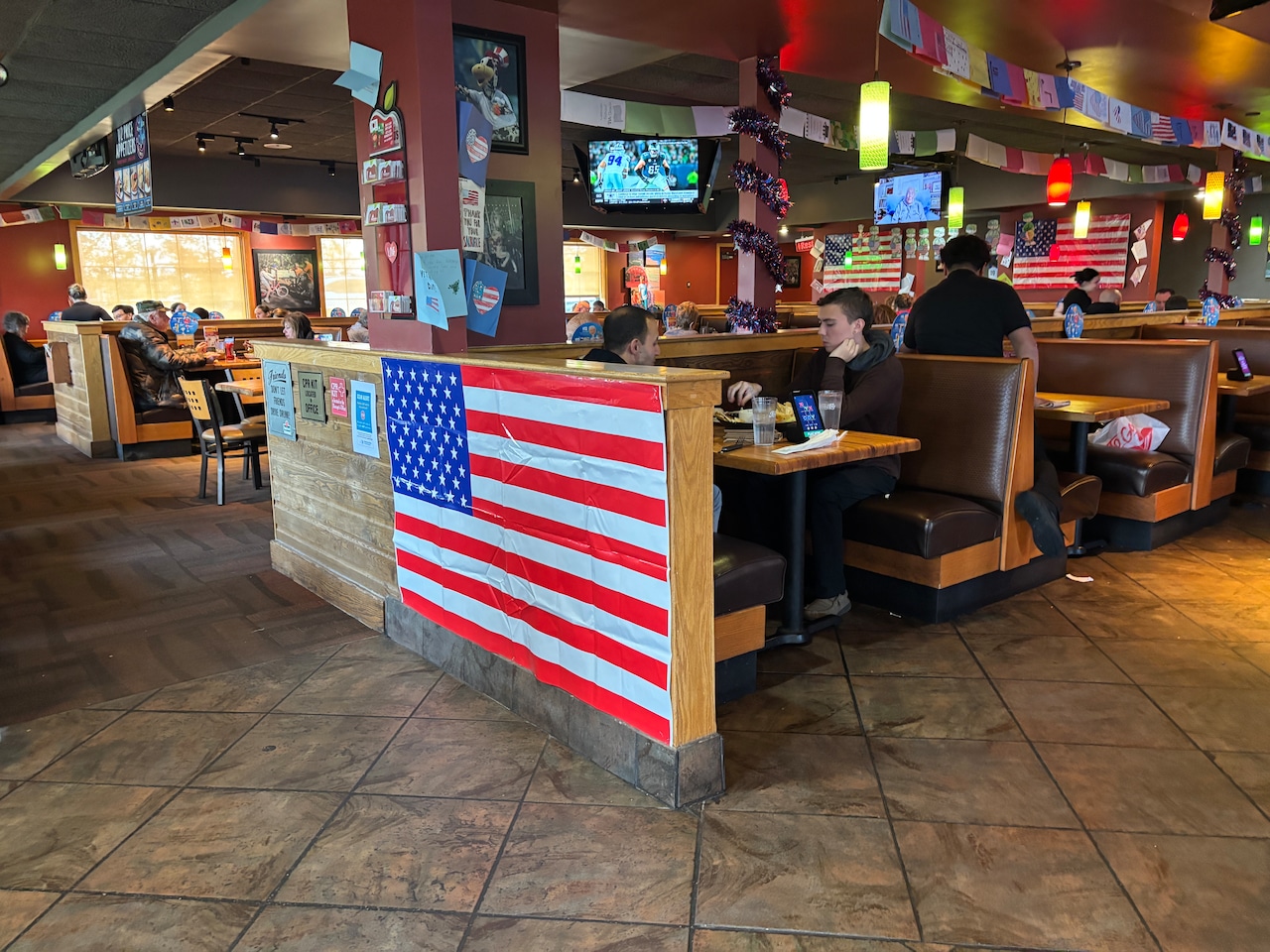 Once the site of a community-wide Veterans Day card campaign, this former South Shore Applebee’s location is now dark. The closure serves as a reminder that restaurants can become gathering places, charitable partners and community traditions, regardless of whether they are independent operators or national chains.(Advance/SILive.com | Pamela Silvestri)The raffle basket economy
What you don’t see behind the smiling server and steaming plate of food is an entire ecosystem at work, one that stretches far beyond the dining room. Before the server approaches your table, before a single meatball is rolled, somebody has paid the rent, ordered the tomatoes, negotiated with a supplier and made payroll for the dishwasher, bartender, line cook, delivery driver and, yes, the smiling server who brings your meal.
Restaurants don’t exist in a vacuum, despite the way we often talk about them. Every meal sets off a chain reaction that stretches from farmers and food distributors to landlords, employees, charities and community organizations.
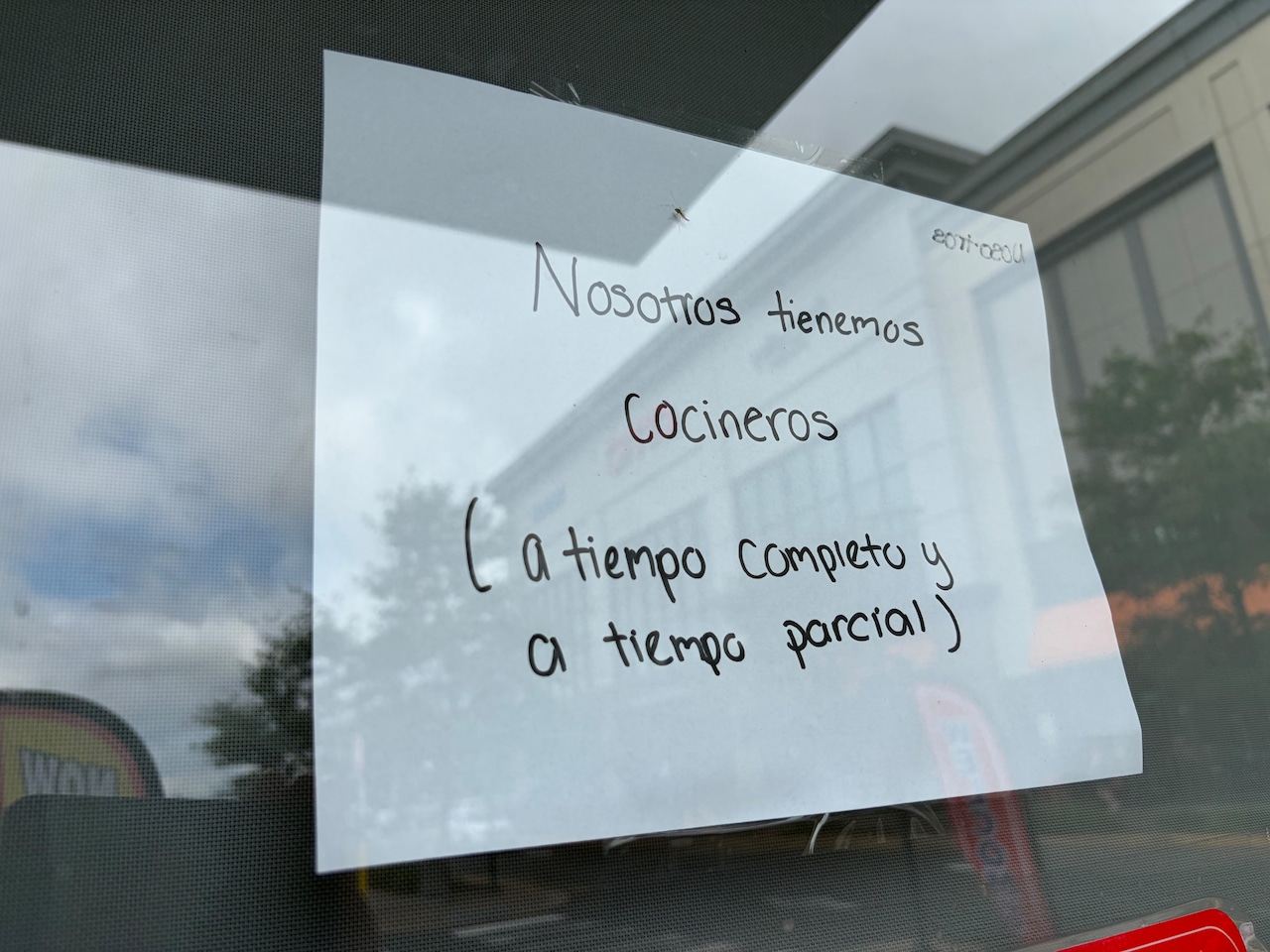 A handwritten help-wanted sign in Spanish seeking full-time and part-time cooks hangs in the window of Kajiken Ramen at Staten Island Mall in an image taken in early August, 2026. Restaurant owners frequently cite hiring and retaining staff as one of the industry’s biggest challenges.(Advance/SILive.com | Pamela Silvestri)
Recently, a longtime food-industry professional said something that resonated: “Restaurant businesses are the lifeblood of New York. It trickles into so many areas.”
That stuck because this isn’t really a restaurant story. It’s an everybody story.
For generations, restaurants have created gathering places, employed neighbors, supported community organizations and helped define New York City’s neighborhoods. It’s part of what makes this city special.
Not a sob story
This isn’t a sob story. It’s a reality check.
Today, restaurant operators are being squeezed from every direction. Rent, insurance, utilities and labor costs keep climbing, while distributors continue shortening payment terms from 30 days to 10, then to three, and eventually requiring cash on delivery.
Most customers never see that strain. They don’t see the paperwork, compliance demands and back-office work that consume an owner’s day or how quickly an unrelated food-safety scare can drive business away. Meanwhile, chains and big-box retailers keep gaining ground.
By the time a restaurant looks as though it’s struggling, the fight for survival may already have been going on for months.
Before Election Day, remember: Local, local, local. Call your city and state representatives and ask what they are doing to help neighborhood businesses survive.
Because when a restaurant closes, we lose more than a place to eat. We lose a gathering place. We lose a supporter of local causes. We lose a piece of what makes a neighborhood feel like home.