
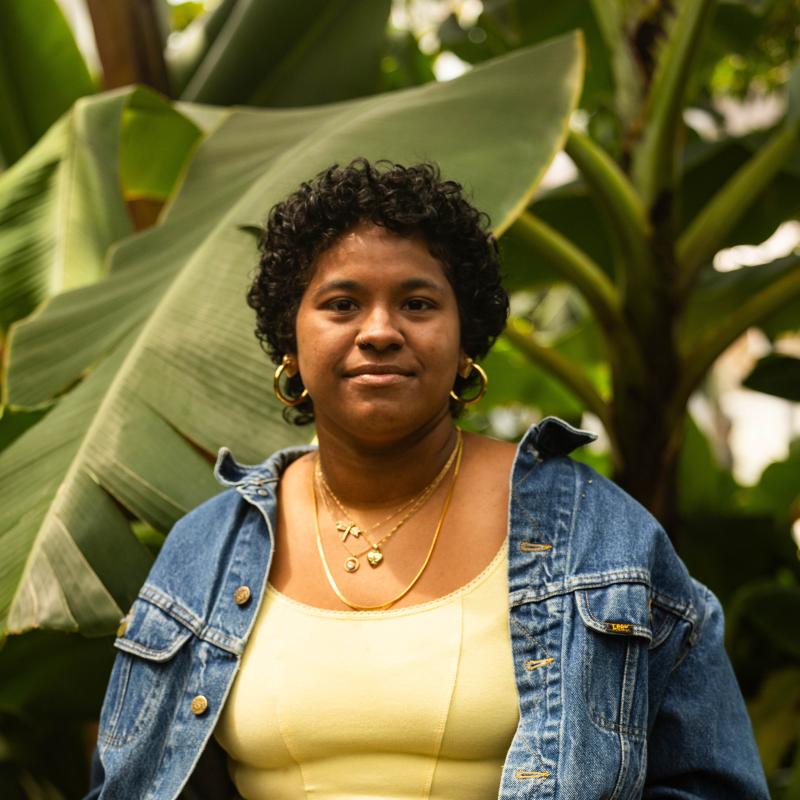
KINGSTON, R.I. – Aug. 17, 2026 – Yadira Silva Rios of Providence, a Ph.D. candidate in the University of Rhode Island’s Biological and Environmental Sciences program, was recently chosen as one of 20 environmental scholars receiving this year’s Switzer Environmental Fellowship. The prestigious fellowship, a program of the Robert and Patricia Switzer Foundation, recognizes young environmental leaders with a $17,000 award to support research.
With a focus on sustainable agriculture, food systems and policy, Silva Rios uses culturally grounded methodology—such as platicas and testimonios—to engage a community that she has a cultural connection to, with an understanding of how many Latinx farmers engage in conversation. These methods are central to her work to build more equitable research practices, she says.
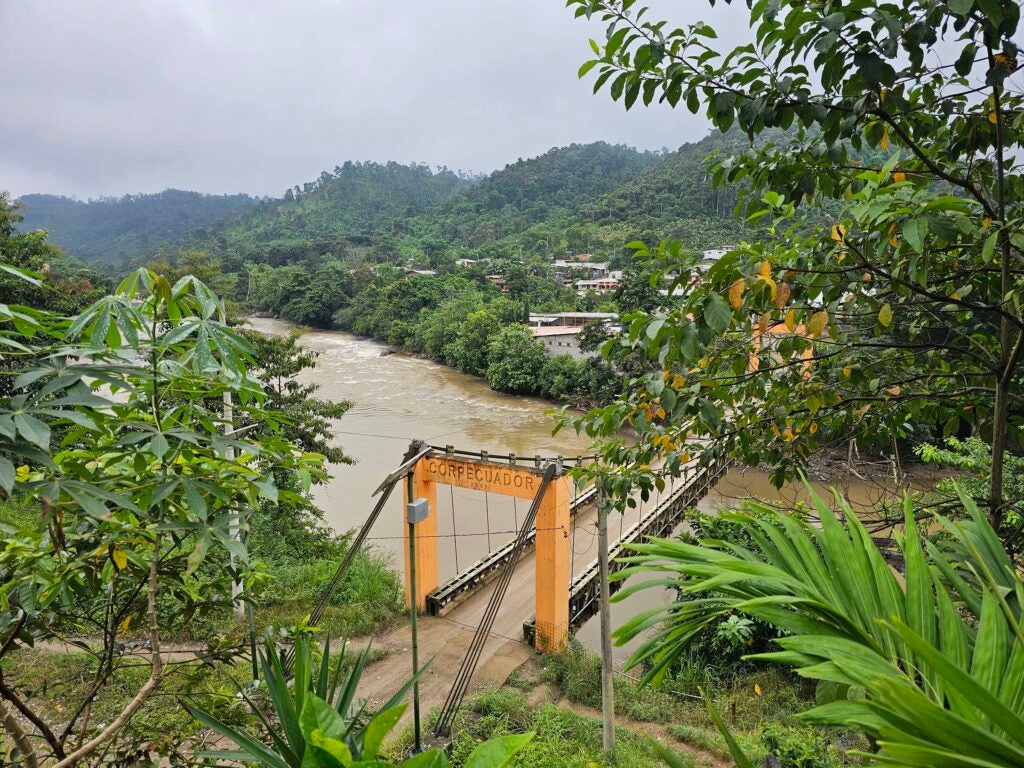 Silva Rios is currently researching Southern Ecuador and small-holder farmers’ livelihood strategies there.
Silva Rios is a first-generation college student and the youngest daughter of Ecuadorian immigrants, born and raised on Staten Island, New York.
“It was my experience growing up fishing and clamming on NYC’s coast, gardening in pots and in small lots in our backyard and cooking up feasts for 20-plus family members, that drew me to explore a career in food,” Silva Rios said.
Silva Rios shared her life experiences of growing up fishing and gardening with her parents on the New York coast when applying for the Switzer Fellowship. “This kind of environmental knowledge encouraged my interest in becoming a professor and supporting other underrepresented students in higher education,” she said.
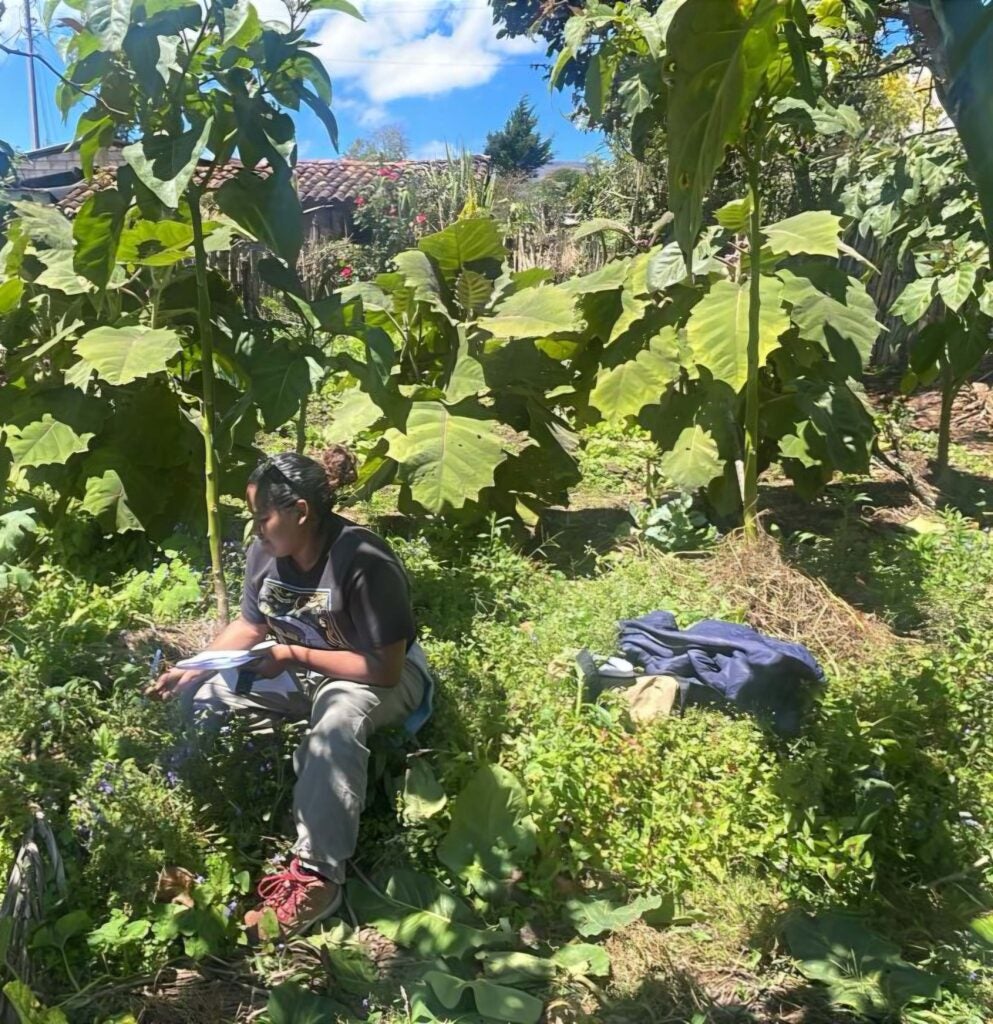 Silva Rios will use the prestigious Switzer Fellowship to support further research.
Silva Rios joins a growing number of URI/Switzer alumni, including Bryan Plankenhorn in the Graduate School of Oceanography, who received a fellowship last year, and Professor Laura Meyerson in URI’s College of the Environment and Life Sciences, a 1999 fellow, leadership grant recipient and past board member.
Silva Rios initially planned to pursue a career in hospitality, with many years working in restaurants around New York City and even in Walt Disney World, before deciding to change focus and pursue graduate studies in sustainability leadership and food systems.
While in graduate school, Silva Rios gained hands-on experience with community organizations, signing up to farm at a nonprofit farm in Ancram, New York, working in a food pantry in Manhattan and at Staten Island’s botanical garden, and volunteering with One Love Community Fridge. These experiences, she said, led her toward grassroots work and community-led research for a more just and sustainable food future for all.
Now at URI, she is exploring how sustainable food futures are defined within environmental sciences, and how the Latin American and diaspora experience is represented in that. She conducted fieldwork and research in Ecuador last summer and plans to do similar work in the U.S. with Latinx farm owners. She plans to use her fellowship award to fund fieldwork next summer.
Seeds of success
Silva Rios has also found a place for herself at URI as a first-generation student, an Afro-Latina, and a social scientist. As a research assistant in CELS, Silva Rios helps support the college’s diversity initiatives, including the undergraduate group Seeds of Success. She also helped launch a graduate chapter of Seeds to support other first-generation and underrepresented STEM graduate students, offering peer-to-peer mentorship, networking opportunities, support systems, and more. Outside of URI, she supports BIPOC scholars as a member of the executive board of the Latinx Geographies Specialty Group of the American Association of Geographers.
“I am dedicated to building spaces for scientists of color to build community with each other,” she said. “I also hope to encourage the use of community-led definitions of sustainability and sustainable food futures. I aim to demonstrate the diversity of what it means to be a scientist, while also encouraging the need for more deeply engaging with more communities within the environmental sciences.”
Off campus, she is volunteering with a local BIPOC farm to stay connected to the community food networks that brought her to this research and her career goals.
“I’m so proud to see Yadira receive this award,” CELS Assistant Dean Aura Fajardo Grandidge said. “Her background in business combined with her creativity allows her to think outside the box, and her experiences, maturity and work ethic make her stand out in our graduate program. She is a strong leader here at URI.”