
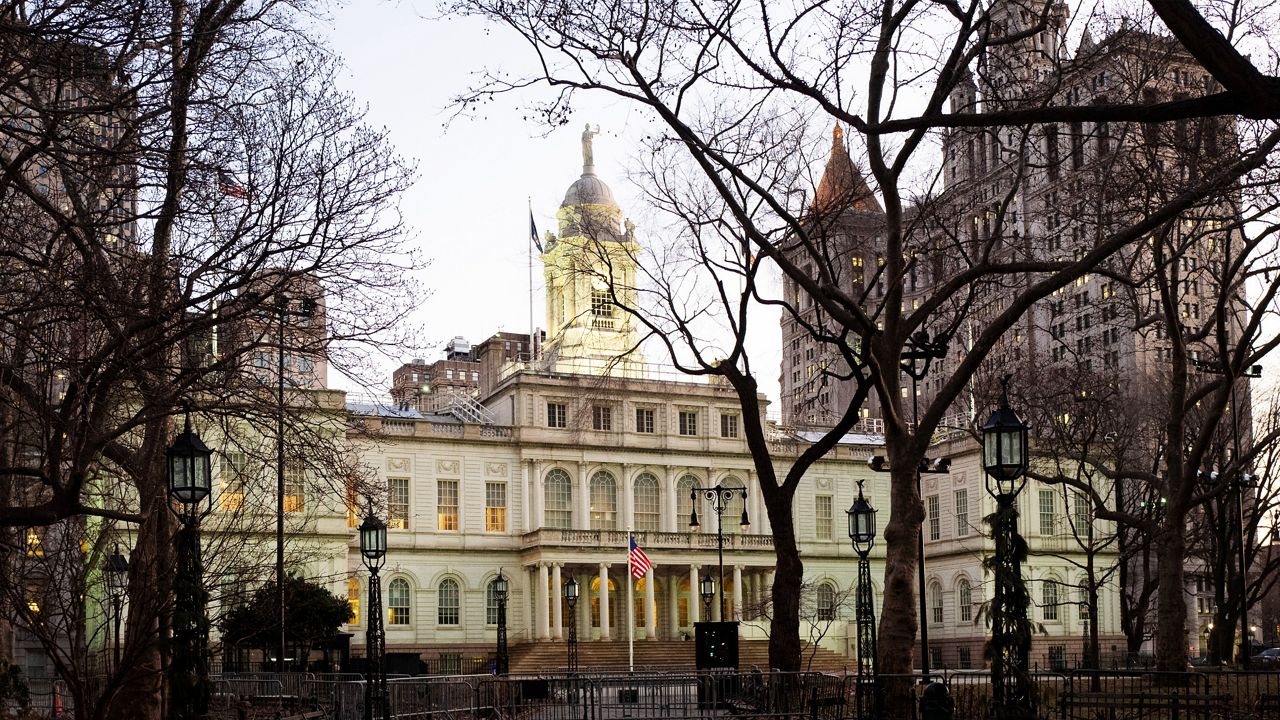
Mayor Zohran Mamdani’s tax on luxury second homes in New York City will face scrutiny by the City Council Tuesday afternoon.
The hearing comes after the rollout of the tax upset some property owners, including full-time city residents who are not expected to pay the tax but received notices saying they needed to prove their residency to avoid it.
Council Member Gale Brewer, who represents the Upper West Side and parts of Hell’s Kitchen, along with Council Members Kamillah Hanks and Frank Morano, who represent parts of Staten Island, have also criticized the rollout of the tax.
“What we want to know? There’s so many things. What did the state say that you had to do? Why did you use the databases that you did for the rollout? Why did you need to use the large list and not just a more concentrated list? Why didn’t you do FAQ in advance? Those are the questions we need answers to,” Brewer told NY1.
The pied-à-terre tax applies to non-primary residences. The Department of Finance identified about 1 million properties that could potentially be subject to the tax, although only a small portion are expected to ultimately be taxed.
The City Council’s joint oversight hearing is scheduled for 1 p.m. Tuesday and will be conducted by the committees on governmental operations, state and federal legislation, and finance.
The hearing will focus on the implementation of the new tax, including how the Department of Finance identified properties, notified property owners and determined which properties are subject to the charge. People affected by the rollout are also expected to speak.
Mamdani has defended the city’s position on the tax.
“We look forward to vigorously defend our cities position,” he said previously. “That is a confidence coming from the legality of the city’s actions and as well as the importance of a surcharge on secondary homes worth more than $5 million. A surcharge that will help fund safer streets, that will help fund stronger schools and it will help fund the city New Yorkers deserve.”
Supporters of the tax say it would require owners of high-value second homes to pay their fair share and could generate about $500 million in revenue for the city.