
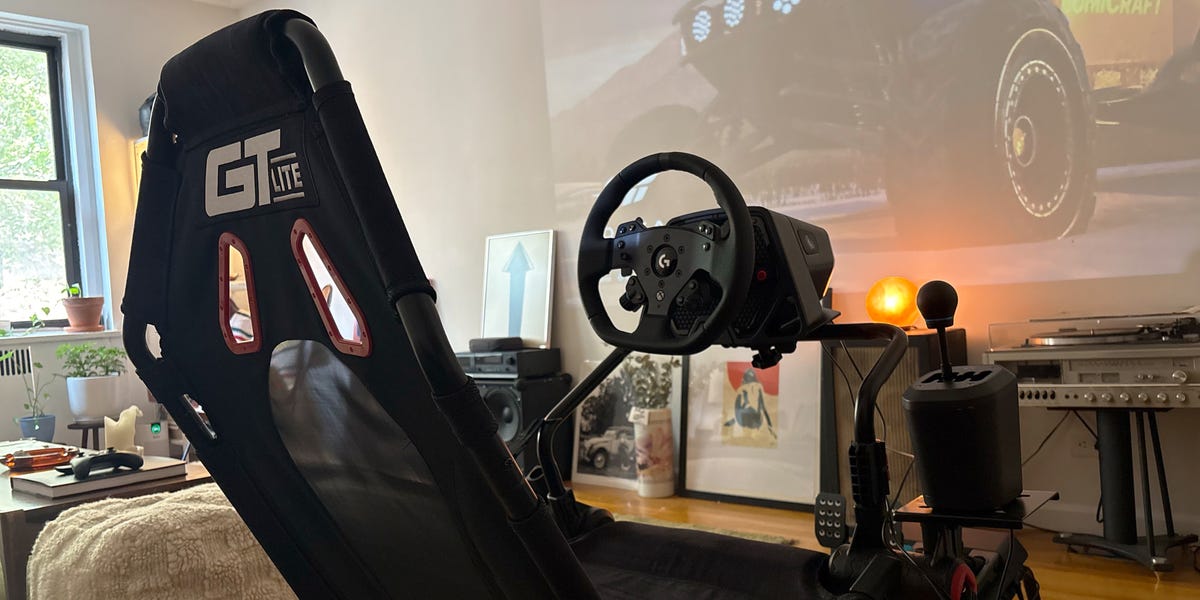
A proper sim racing setup has traditionally required something many folks, for a variety of reasons, don’t have in abundance: space. I reside in what I’d generously describe as an average-size Manhattan apartment. With that said, a dedicated cockpit, a large monitor, speakers, a wheel, pedals, and a shifter would quickly eat up a quarter to a third of my living room, which isn’t particularly appealing when that same room also needs to function as, well, a living room.
I wanted to see how far I could push the idea of a serious apartment-friendly sim setup without permanently giving up valuable real estate, so I built two setups: an affordable entry-level rig and a more serious enthusiast setup. The goal for both was the same: everything had to be useful when I wasn’t racing and easy enough to put away that I would actually bother doing it.
An Affordable Entry-Level Sim Racing Solution
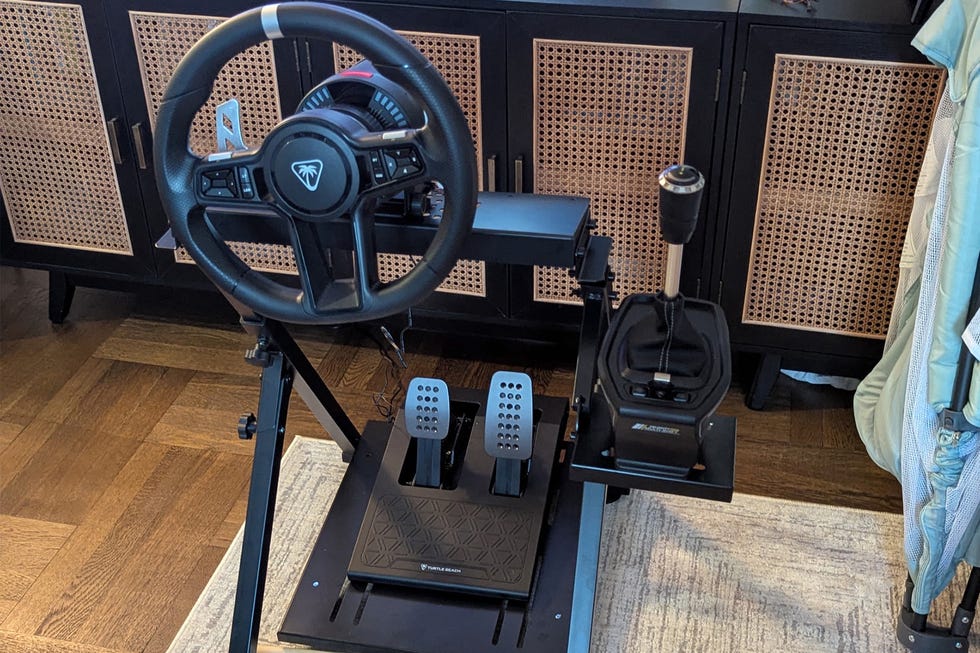
The entry-level setup centers around the Turtle Beach VelocityOne Race KD3, a 3.2-Nm direct-drive wheel-and-pedal system, paired with the Turtle Beach VelocityOne Multi-Shift Gear Shifter & Handbrake, all mounted to a GTPlayer Sim Racing Wheel Stand. The KD3 is an interesting starting point because it gives you genuine direct-drive force feedback without jumping into enthusiast-level pricing. Its wheelbase produces up to 3.2 Nm of torque, while the pedals use Hall-effect sensors and offer adjustable resistance. The wheel also has magnetic paddle shifters and a 252–2160-degree adjustable steering range, giving it enough flexibility for everything from arcade-style driving to more serious racing.
 Justin Helton
Paired with the GTPlayer stand, the Turtle Beach wheel and foot-pedal rigs become a surprisingly complete setup without requiring a permanent cockpit.
The GTPlayer stand is relatively straightforward to assemble, with the wheel deck, pedal plate, and shifter mount attaching to a steel frame that can be adjusted for different driving positions. Once everything was bolted together, mounting the KD3 was a matter of securing the wheelbase to the stand and connecting the pedals.
The biggest advantage is what happens after the race: The stand can be folded and moved out of the way rather than becoming a permanent piece of furniture. That’s an important distinction in an apartment. A racing rig that takes 20 minutes to disassemble every time you want to reclaim your living room isn’t really modular; one that can be folded and leaned against a wall is.
An Apartment-Size Rig for the Sim Racing Enthusiast
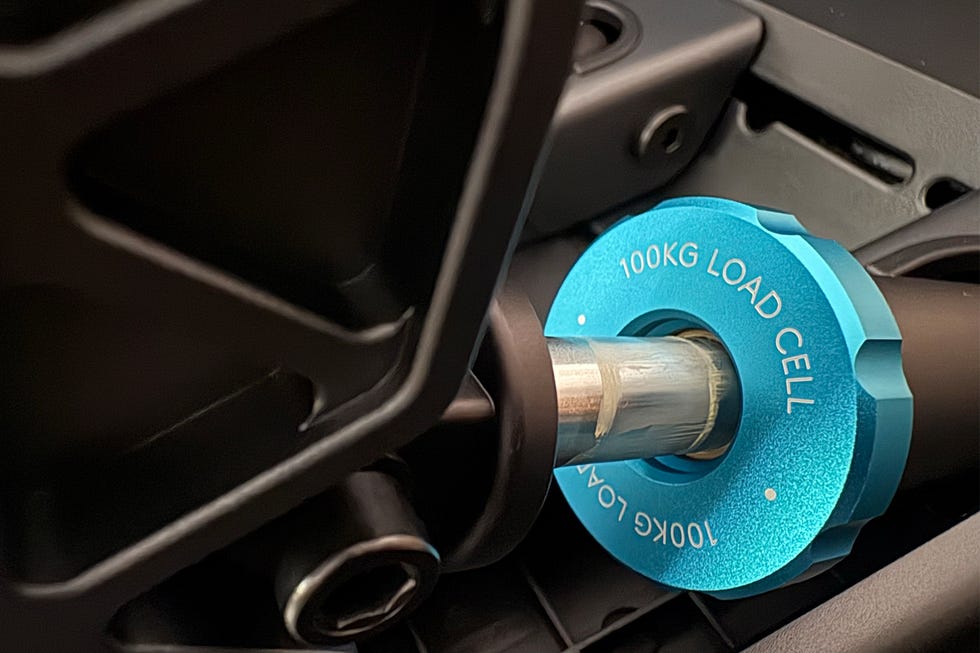
For a more enthusiast-level setup (and honestly, the one that thus far has received the most seat time), I went considerably further with Logitech’s G Pro Racing Wheel, G Pro Racing Pedals, and RS H-Shifter, all mounted to a Next Level Racing GT Lite Foldable Simulator Cockpit. The G Pro is a serious direct-drive wheel with 11 Nm of torque, while Logitech’s Trueforce technology adds another layer of high-frequency force-feedback detail. The G Pro pedals offer much more precise control over braking pressure than the potentiometer-style pedals found on cheaper systems. The G RS H-Shifter completes the setup with a traditional H-pattern gearbox for cars where using the paddles simply doesn’t feel right.
 Justin Helton
Logitech G’s Pro pedals use a load-cell brake configurable for up to 100 kg of force.
The GT Lite is what makes all of that hardware practical in an apartment. Rather than using a permanent aluminum frame, the GT Lite uses a folding steel-tube design that allows the cockpit to collapse for storage. It supports both GT and Formula-style seating positions and provides dedicated mounting points for a variety of sim wheels, pedals, and shifters. Assembly takes more time than the simpler GTPlayer stand, but once everything is adjusted, the difference is obvious. The wheel and pedals are fixed relative to the seat, so the entire driving position moves as one piece. That’s particularly useful with an 11-Nm direct-drive wheel, which can put considerably more force through the mounting hardware than an entry-level wheel.
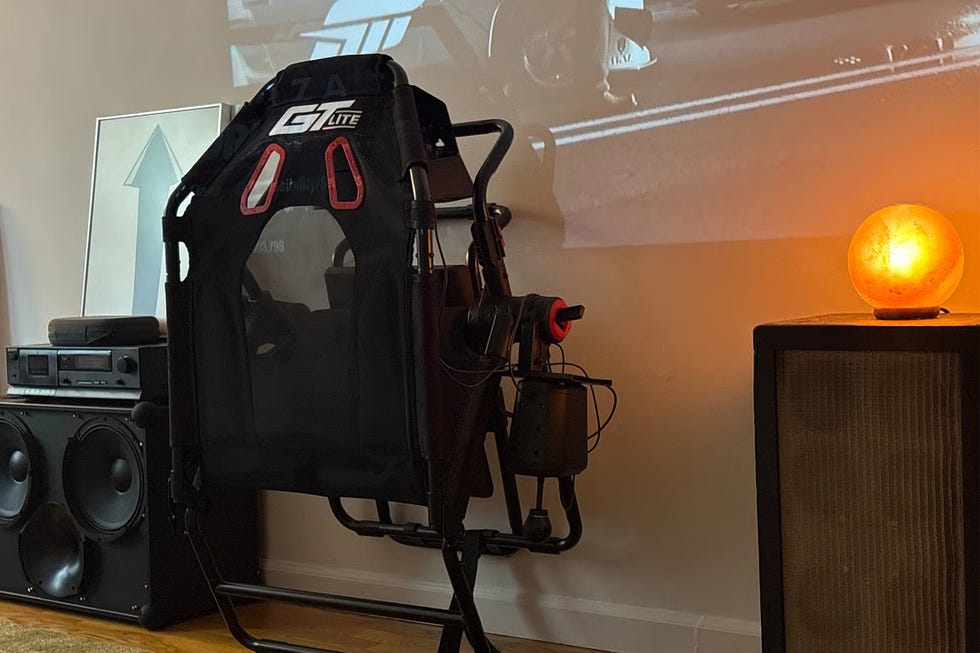
The GT Lite isn’t exactly something I’d call lightweight furniture, weighing in at around 42 pounds, but it’s manageable enough to move around an apartment. More important, it folds without requiring you to completely disassemble the rig. I can leave the Logitech wheel, pedals, and shifter mounted, fold the cockpit, and push the whole thing against a wall when finished. That turned out to be one of the most important features of the entire setup.
 Justin Helton
A racing rig that takes 20 minutes to disassemble every time you want to reclaim your living room isn’t really modular; one that can be folded and leaned against a wall is.
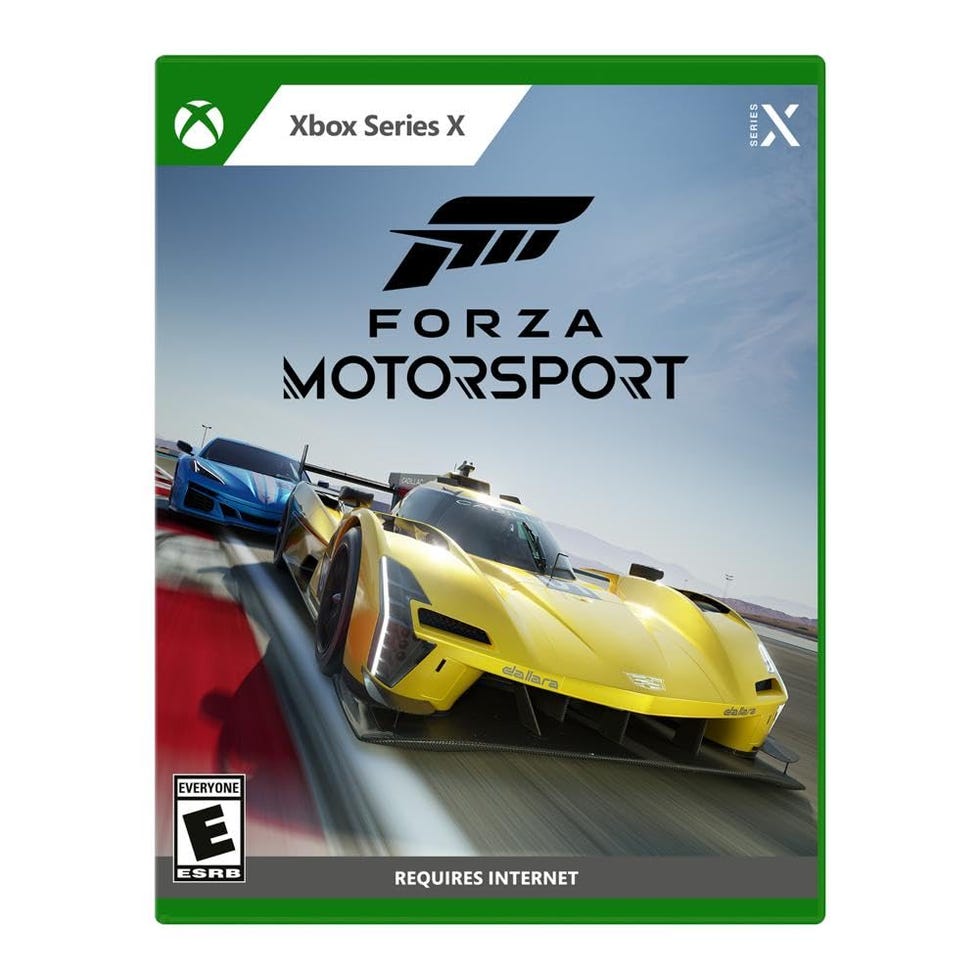
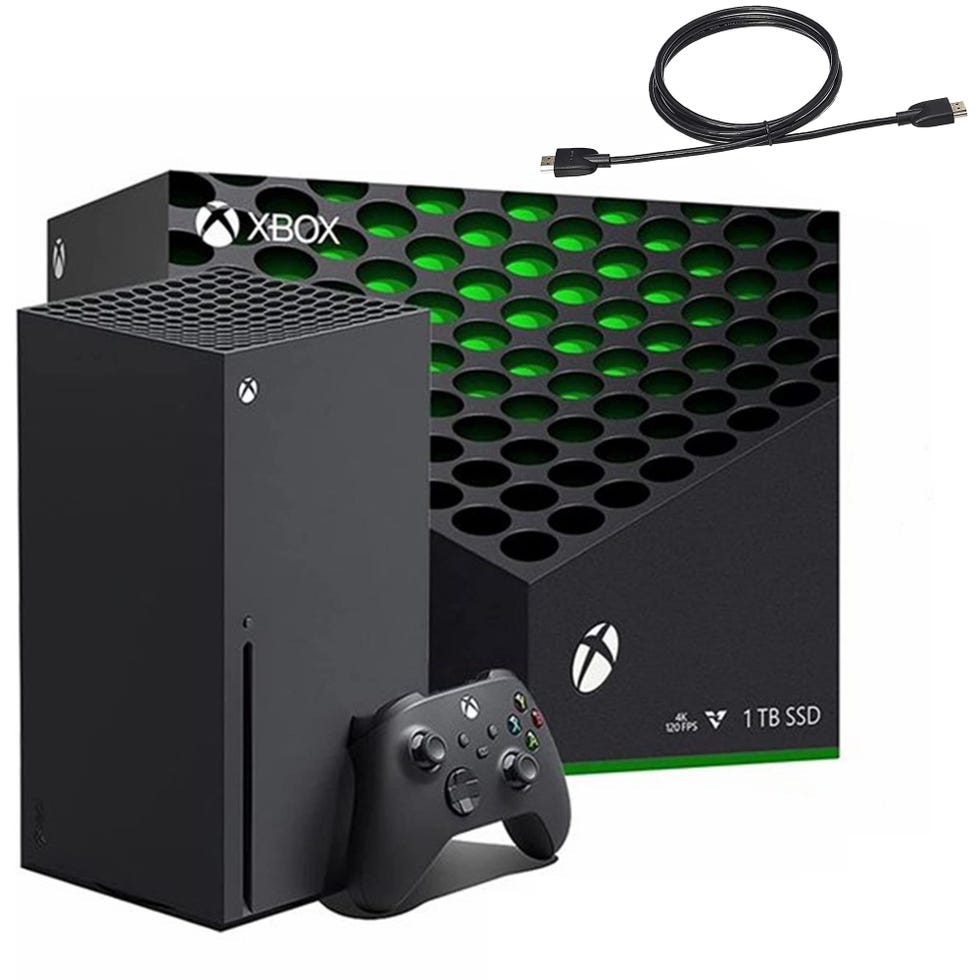
I ran both setups through an Xbox Series X, primarily using Forza Horizon 6 and Forza Motorsport, and the distinction between those two games became important when deciding how much hardware was actually necessary.
Horizon 6 is fundamentally an open-world driving game. It’s about exploring, racing on public roads, jumping cars over things, drifting, and generally having fun with the enormous variety of vehicles available. A wheel makes the experience more immersive, but the game doesn’t demand the same level of precision as a dedicated circuit racer. The KD3 therefore makes a lot of sense here: Its direct-drive system gives you convincing steering weight and force feedback without requiring the expense or physical footprint of the Logitech setup.
Forza Motorsport makes a stronger case for the premium hardware. Its focus on circuit racing, braking points, cornering technique, tire grip, and repeatable lap times means you’re constantly asking more of the wheel and pedals. The G Pro’s 11 Nm of direct-drive force feedback provides substantially more detail and authority, while the load-cell Pro pedals make it easier to consistently reproduce the amount of pressure needed for heavy braking. The RS H-Shifter isn’t necessarily faster than using the paddles, but when you’re driving a manual car, actually rowing through the gears adds an entirely different level of involvement. If Horizon makes you want to drive, Motorsport makes you want to get better.
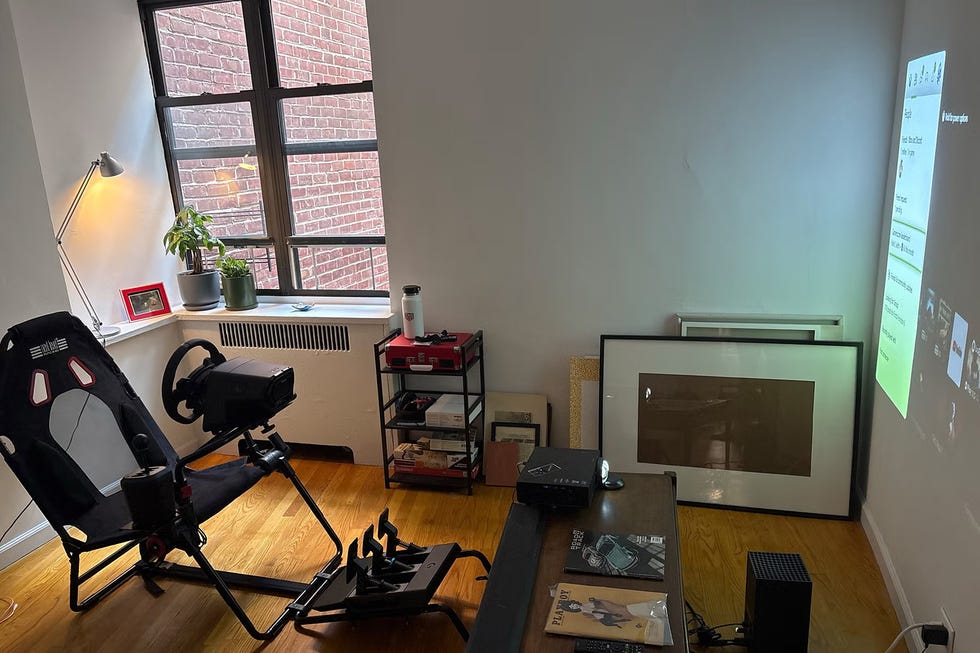
For the display, I deliberately avoided buying a dedicated gaming monitor or television. Instead, I used a ViewSonic PJD6383S projector, turning an otherwise unused wall into the screen. It’s an older projector and certainly isn’t going to compete with a modern 4K gaming display for image quality, but it solved the apartment’s biggest problem: another giant screen wasn’t necessary. When I wasn’t racing, the wall remained a wall. When I was, I had a much larger-than-monitor-sized image that made the cockpit feel substantially more immersive. The other benefit is that I could set up the whole thing on any empty wall, which meant I could move the rig between the living room and a spare bedroom.
 Justin Helton
A folding cockpit, a projector instead of a television, and headphones instead of speakers make it possible to build a surprisingly serious simulator without dedicating an entire room to it.
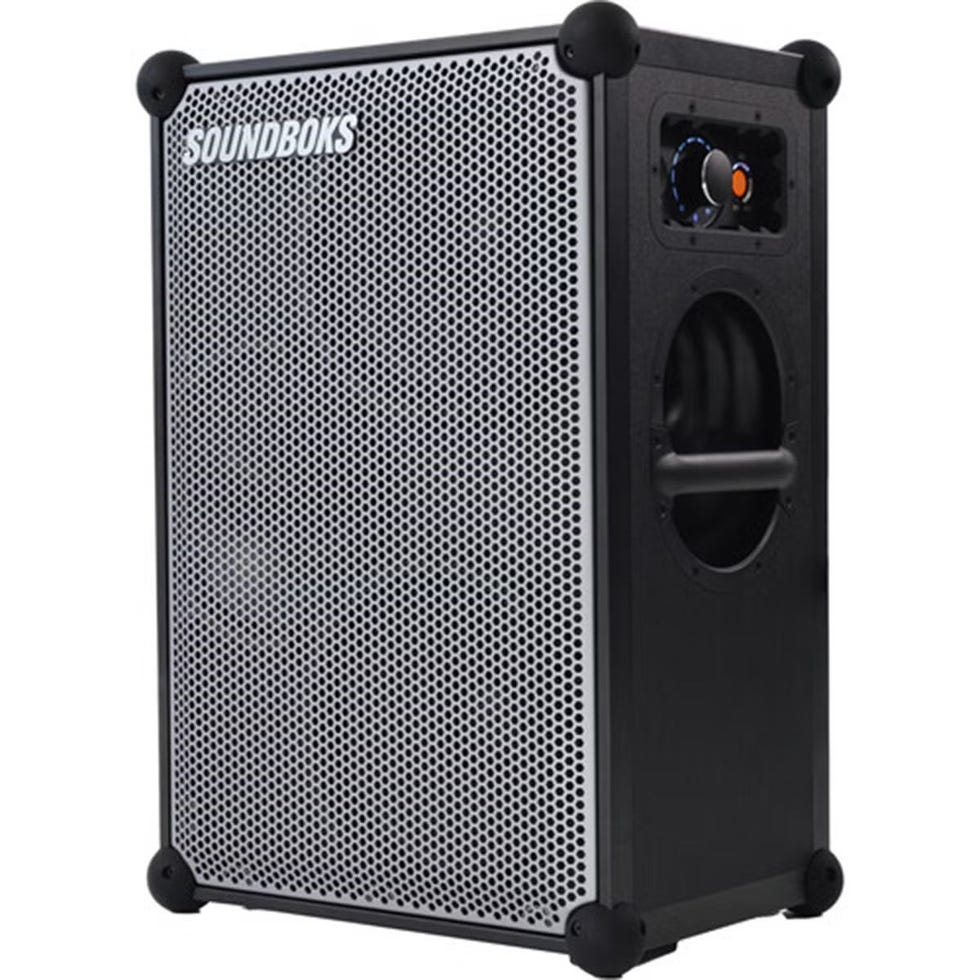
Audio presented another distinctly New York problem. A racing simulator is considerably more convincing when you’re surrounded by engine noise, tire squeal, and the general mechanical violence of a race car being driven in haste. I first used a Soundboks 4 as my primary speaker, which has more than enough output to make a convincing soundtrack for a room. But there’s a limit to how much turbocharged V-8 noise your neighbors should have to tolerate, particularly late at night.
For those sessions, I switched to a Turtle Beach Stealth 600 wireless headset. It meant I could run laps without broadcasting every missed braking point to the entire building, and the headset also made it easier to concentrate on the game’s audio cues. According to my partner, with the headset on, the sounds of my racing were reduced to the sound of the shifter going between gears, plus some soft grunts and a few muttered obscenities as I wrestled with the torque of the wheel.
The Sim Racing Verdict
The two setups ultimately served different purposes, and that’s what I liked most about the experiment. The entry-level KD3 and GTPlayer combination is the sensible choice for someone who wants to get into sim racing without committing a huge amount of money or space. It’s relatively quick to assemble and easy to fold away, and the 3.2-Nm direct-drive wheel is more than enough to make Forza feel dramatically different from playing with a controller. This is a great setup for beginners or kids.
The enthusiast-level Logitech setup is for the sim racer who wants to feel the difference between a good racing rig and a great one. The 11-Nm G Pro, load-cell pedals, H-pattern shifter, and rigid cockpit make the experience far more immersive, particularly while playing Forza Motorsport, while the GT Lite keeps the entire thing from taking over the apartment.
The broader lesson is that a sim racing setup doesn’t have to be a permanent installation. In a New York apartment, where every square foot is literally at a premium (ask my landlord), the best racing equipment isn’t necessarily the most elaborate or most expensive; it’s the equipment that can transform your room into a racetrack for a few hours and then get out of the way.
Apartment-Friendly Sim Racing Gear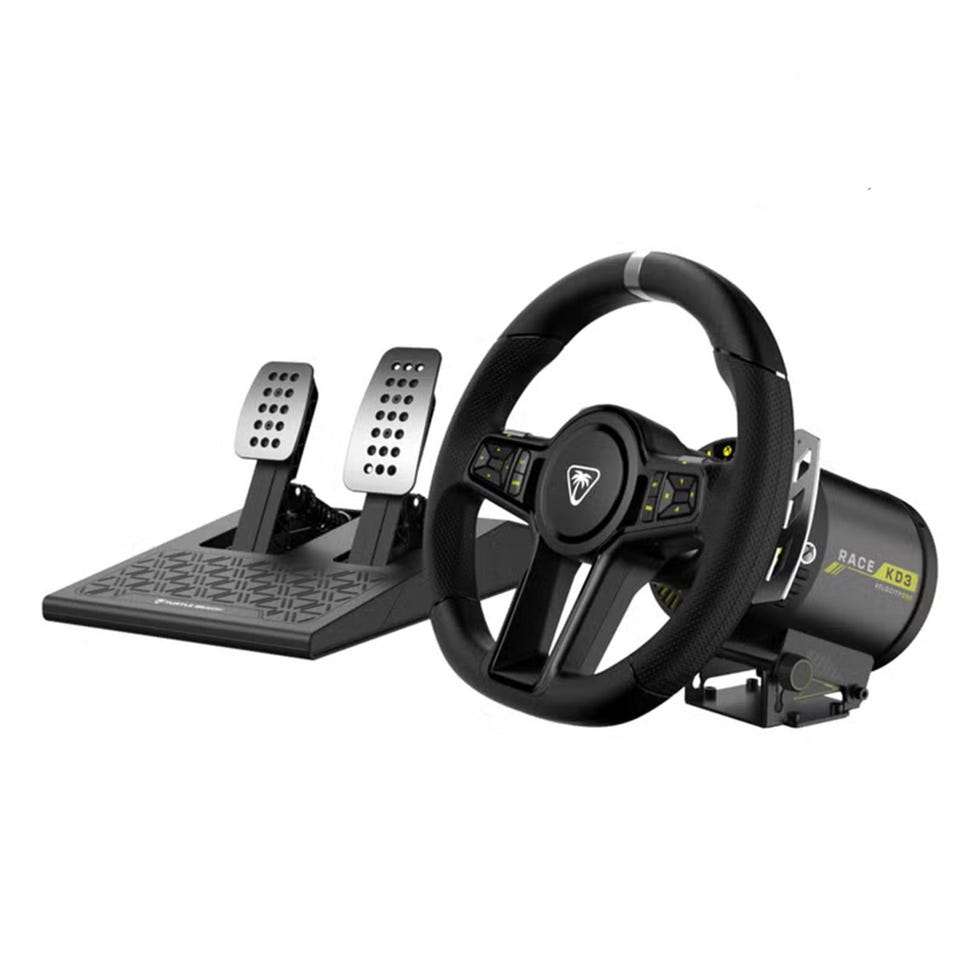 Turtle Beach VelocityOne Race KD3 Racing Wheel & Pedals
Now 33% Off
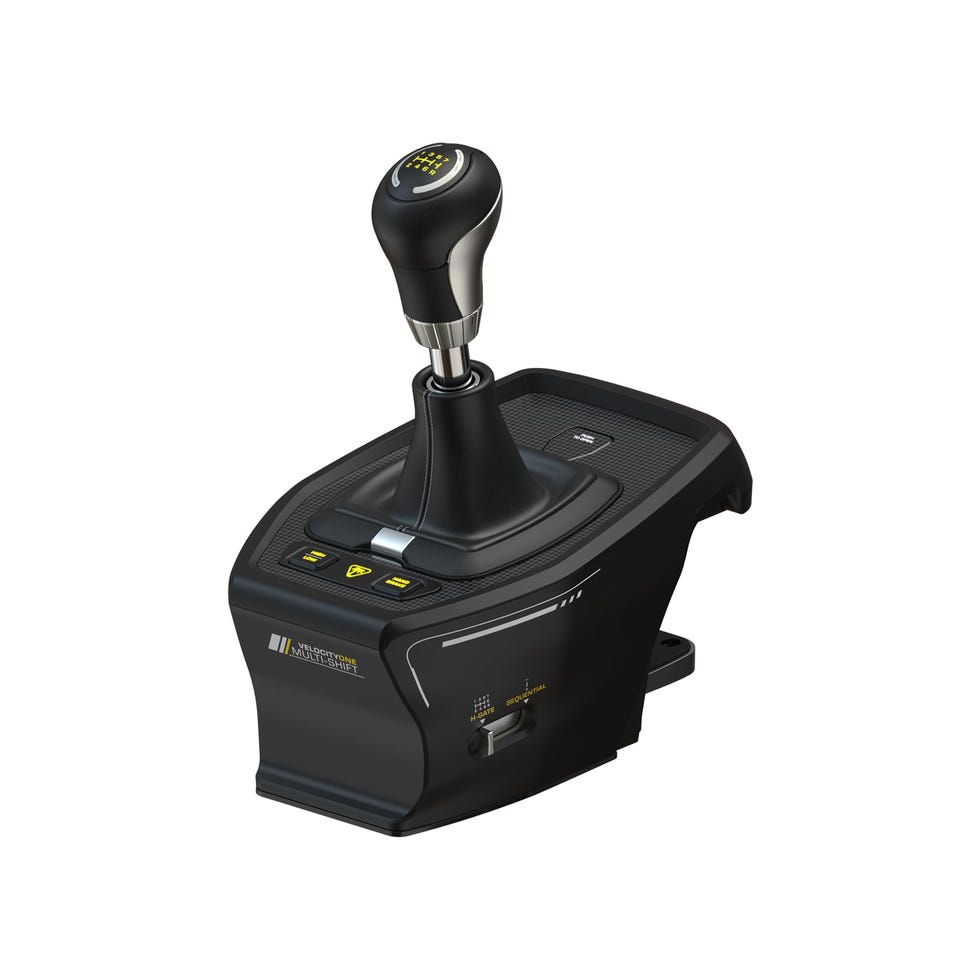 Turtle Beach VelocityOne Multi-Shift Universal Gear Shifter & Handbrake
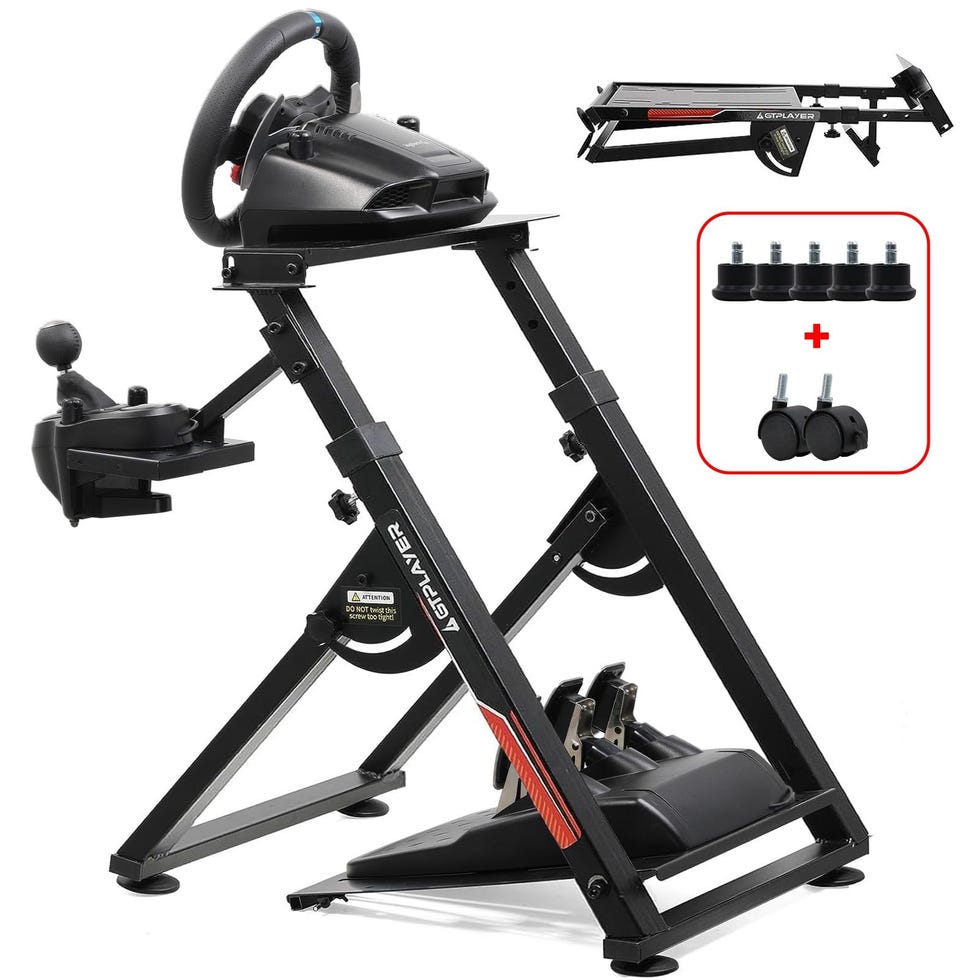 GTPlayer Sim Racing Wheel Stand
Now 30% Off
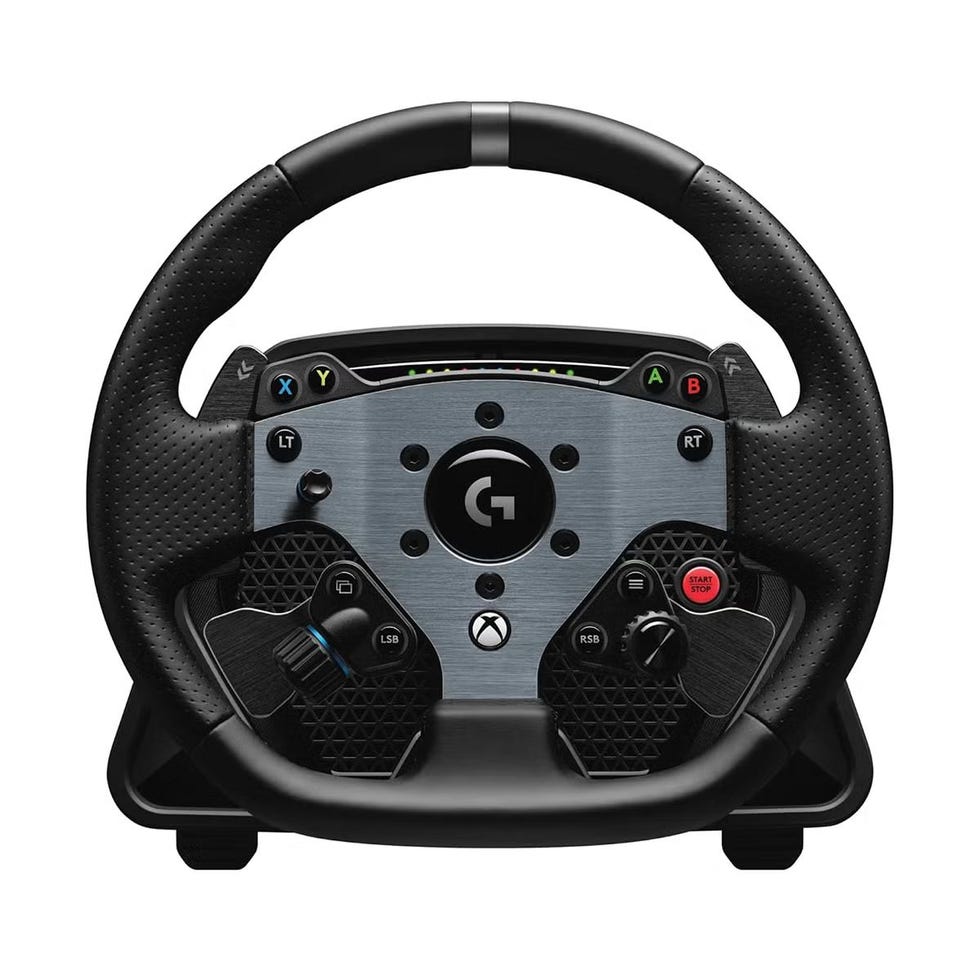 Logitech G PRO Racing direct Drive WheelCredit: Amazon
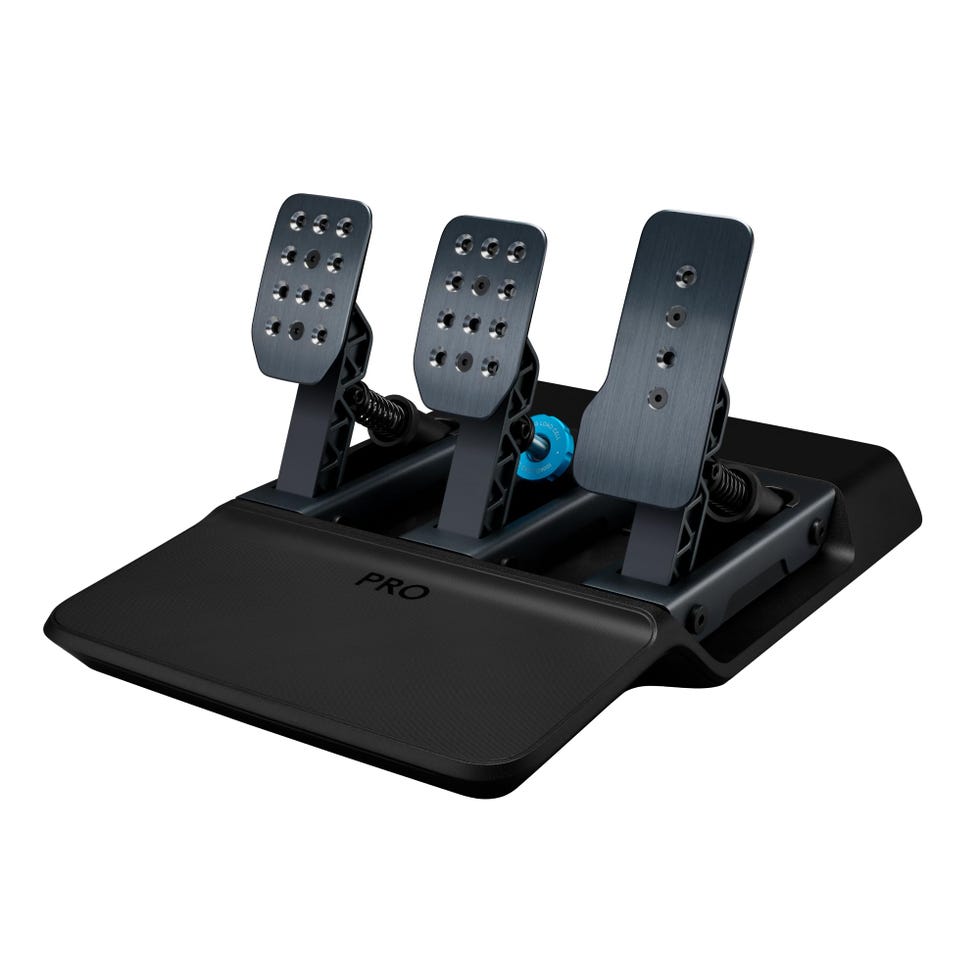 Logitech G PRO Racing Pedals
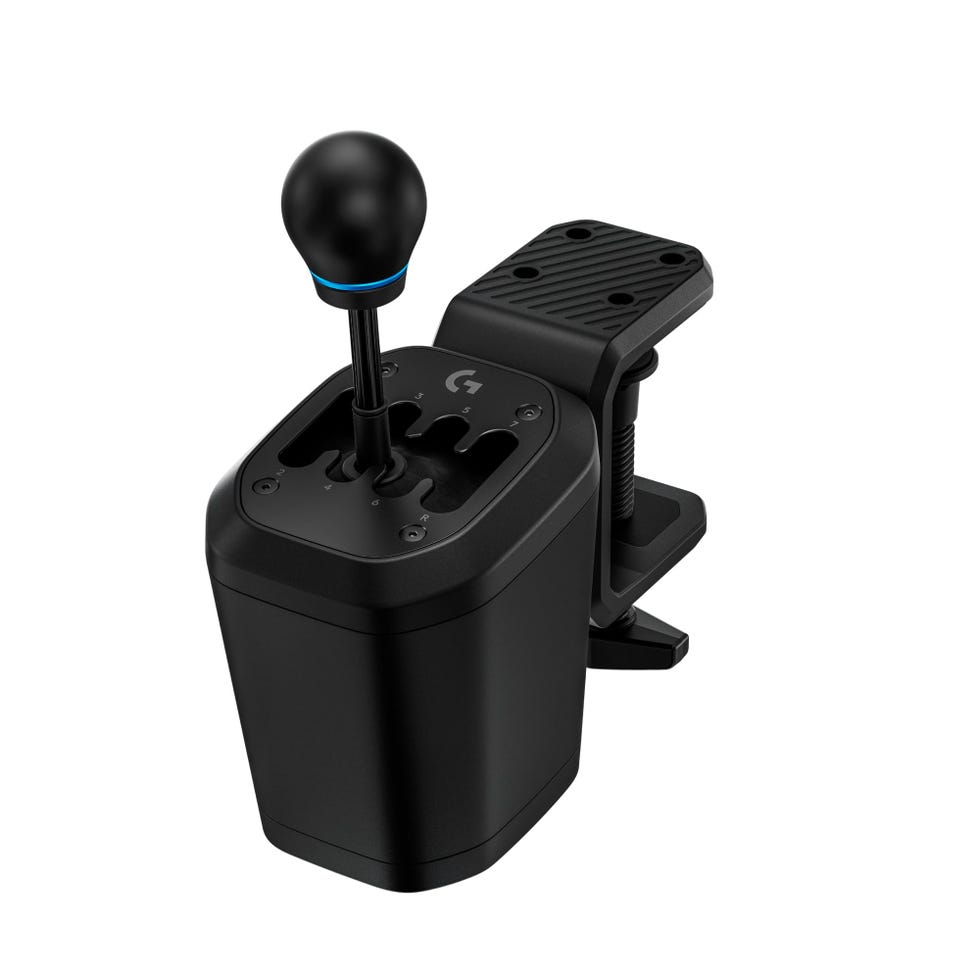 Logitech G Logitech G RS H-SHIFTER
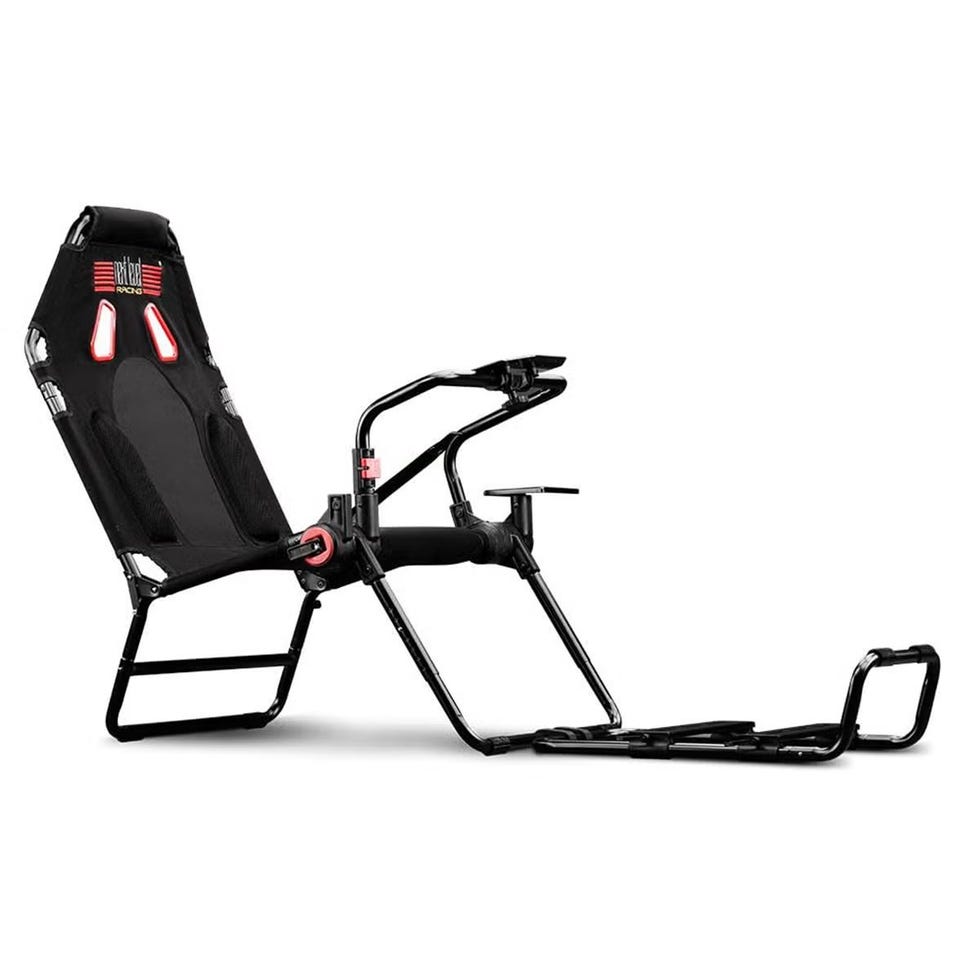 Next Level Racing Gt Lite Foldable Simulator CockpitCredit: Amazon
 Xbox Forza Horizon 6 Premium Edition Xbox and Windows Digital
 Xbox Forza Motorsport Standard Edition Xbox Series X
Now 43% Off
 Microsoft Xbox Series X 1TB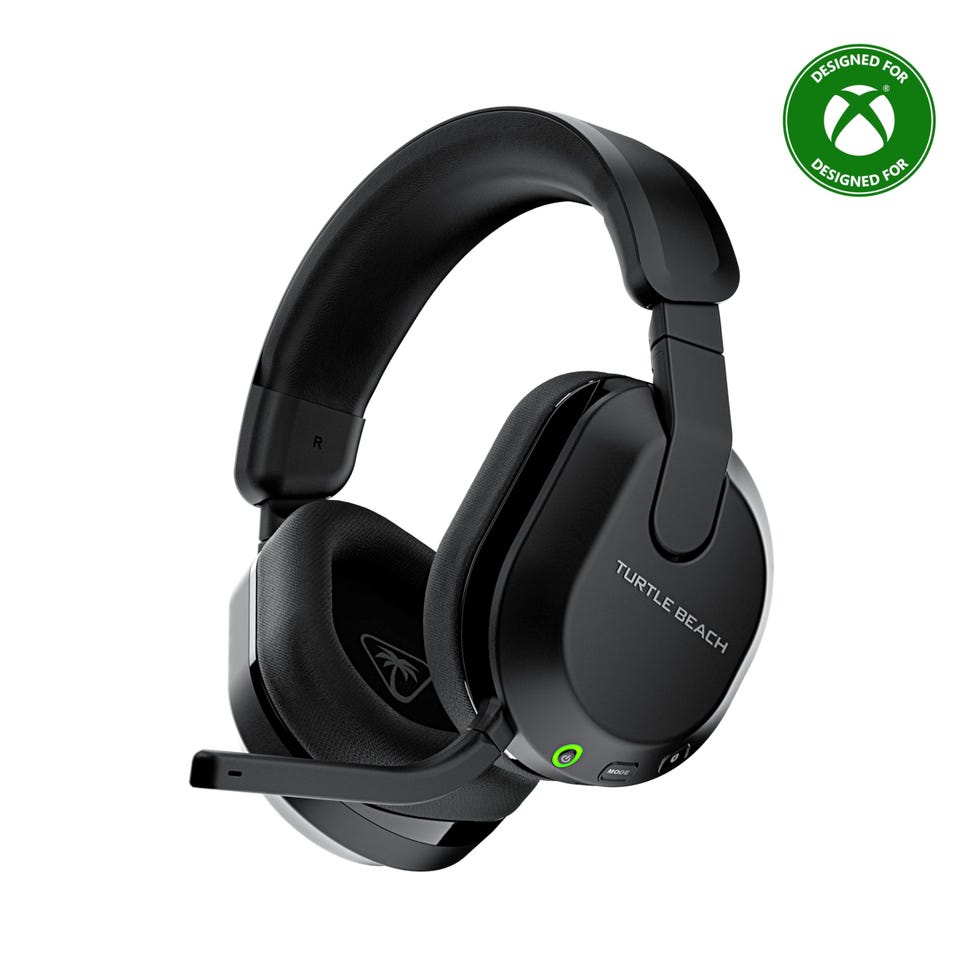
 Soundboks 4 Portable Bluetooth Party SpeakerCredit: B&H
Justin Helton is a commerce editor at Road & Track and an enthusiast with a passion for heavily depreciated autos and a penchant for philosophical debate. As a lifelong Manhattanite, he has mastered the ins and outs of classic car ownership in one of the least car-friendly cities in the world.