
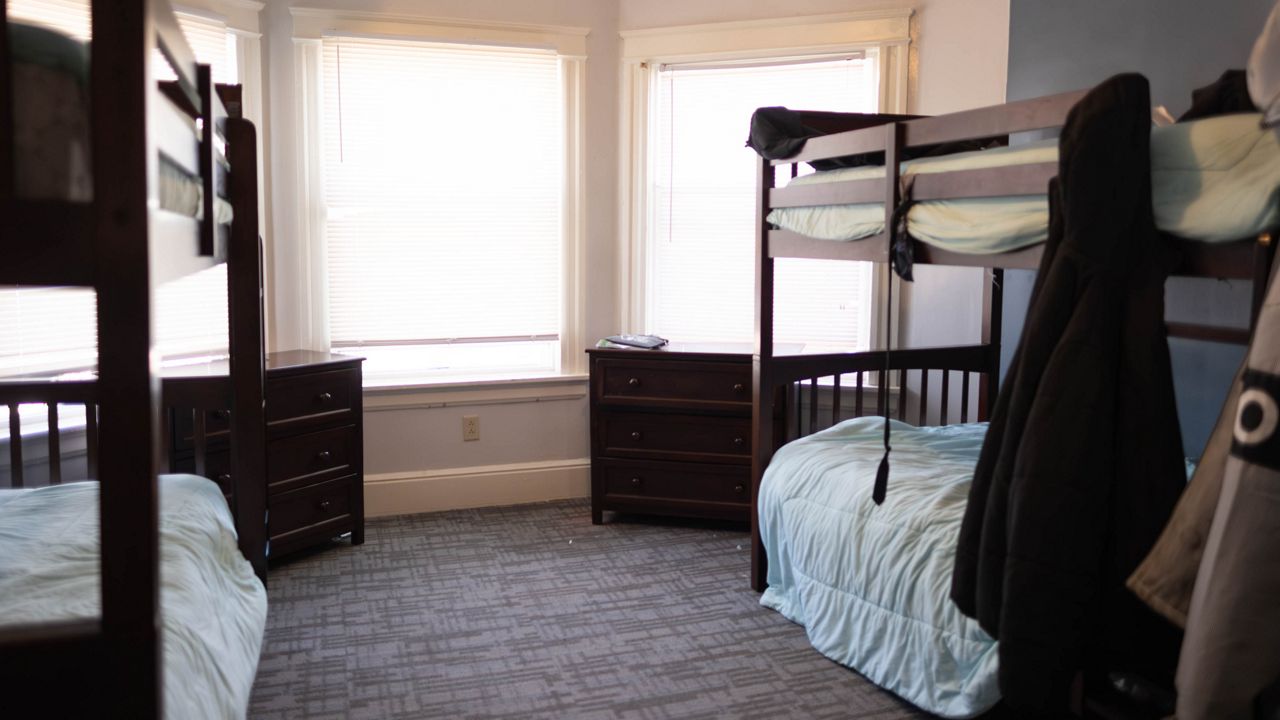
With family homelessness skyrocketing since 2022 in New York, so too is the number of teens, often homeless, left on their own — putting strain on school services, mental health resources and hospitals.
In Syracuse, about 10% of the district’s students need services for temporary housing, said Janel Milana, director of student support services for the Syracuse City School District. But the number of students that need other services has grown as well.
“Unaccompanied youth is a growing concern in the city. We have seen it increase by over 9% in just a year span, and that’s when a student not only loses housing but also loses guardianship,” Milana said. “Those stories are very different — from a student that feels unsafe and leaves home to a student that has lost their parent due to death [or] due to incarceration.”
Sometimes students are placed with other family members, and other times, they can go to a shelter. Through a federal program called the McKinney-Vento Act, a student can stay at the same school to help minimize disruptions to their routine. If students are within 50 miles of the district, SCSD will pick them up for school.
“They maintain their educational experience through keeping the same teacher, their friends, having that consistency in their life that allows them to not add another element of anxiety or concern or change due to losing housing,” Milana said.
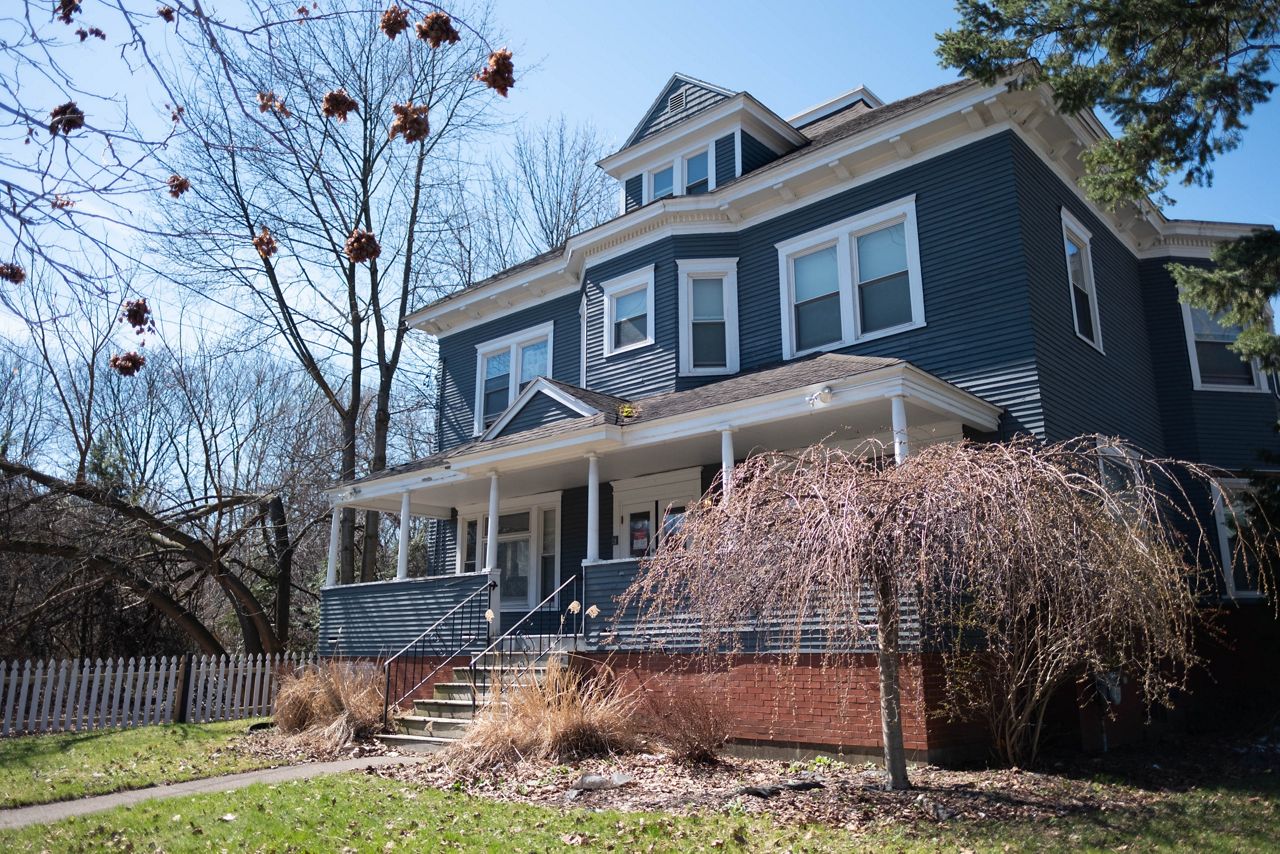
The exterior of the Booth House. (Spectrum News 1/Emily Kenny)
If a student gets permanent housing outside of the school district, but they were receiving McKinney-Vento services for the year prior to their transition to another building, they may come back to the city’s school district.
“If they were a junior in high school and they were receiving McKinney-Vento services during the course of that school year, then they are allowed to come back for their senior year,” Milana said.
In Onondaga County, the only shelter for unaccompanied kids between 12-17 is the Booth House in Syracuse, which has a capacity of 15 beds. Mithila Hasan, the director of the Booth House, said they are also seeing higher numbers.
“There are a higher number of kids that are coming in that are truly homeless. However, the program at the Booth House is voluntary in nature, so kids have to want to come in,” Hasan said.
A New York state comptroller report published in July, found that children make up a disproportionate share of the homeless population at 32% in the state, a rate that is double the rest of the country.
Most kids stay there for about 30 days, Hasan said, but some stay longer.
“They get a case manager here to work on some of the circumstances that cause them to come here. We focus on education, employment, connecting them to positive people in their life, emotional and physical well-being and reunification,” Hasan said.
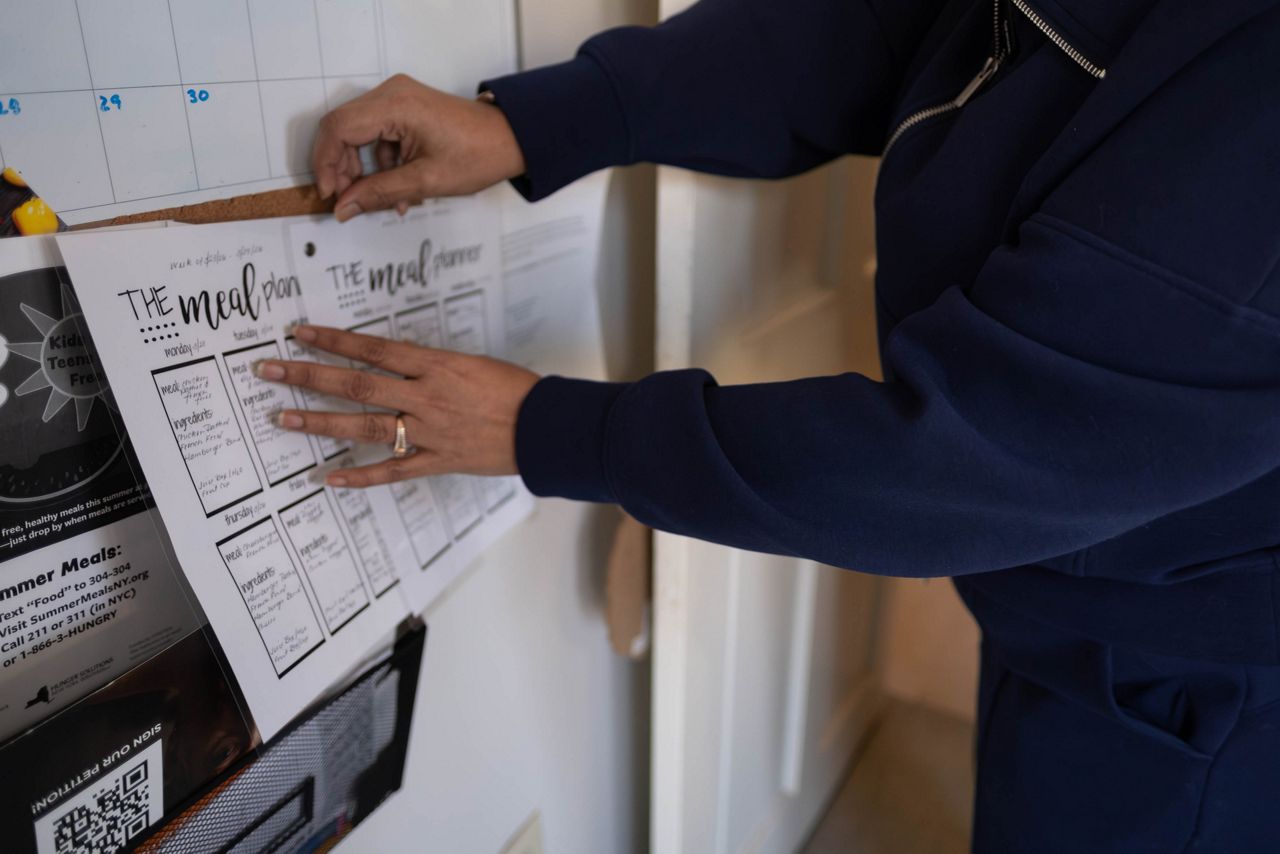
Hasan said they try to maintain normalcy for the kids living at Booth House including meals. (Spectrum News 1/Emily Kenny)
Marett Seymour is the program supervisor for case management at the Barnabas shelter in Syracuse, which is a facility that provides short-term housing for adults age 18-24.
“We’ve also seen an increase in street outreach of kids who are younger, who are unaccompanied,” Seymour said. “We have a lot of youth whose families overall are homeless. There’s nowhere for them to go, and they’re living with an older sibling who has their own place, and you’re overloading an environment that’s already stretched.”
Seymour and Hasan said an increase in violence among youth could also contribute to the problem as families that have been heavily impacted by violence get fed up.
“They don’t want the police at their house all the time. They don’t want to deal with their kids who are getting put on probation or their violence is increasing, and they don’t really know what to do with them because they’re not listening at home,” Seymour said.
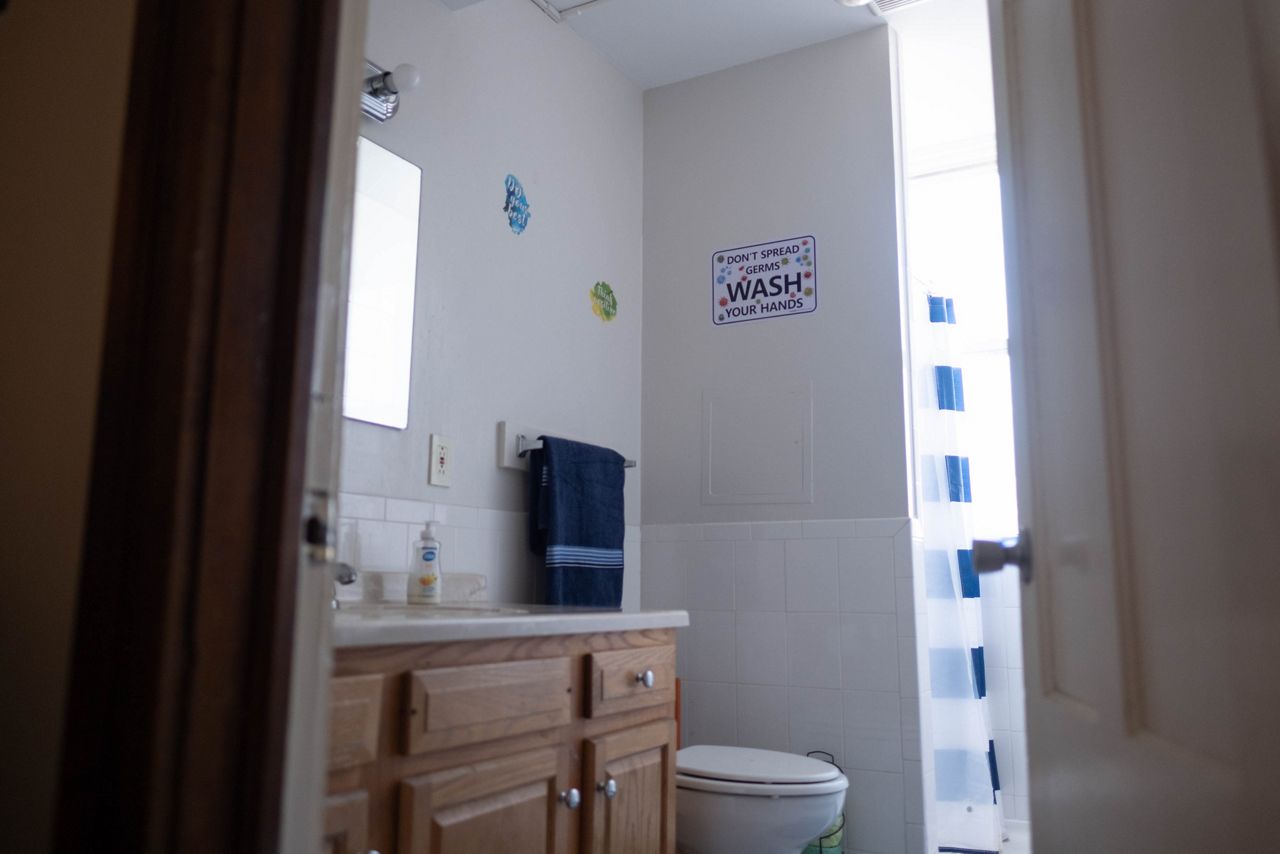
A bathroom inside the Booth House. (Spectrum News 1/Emily Kenny)
For children experiencing mental health crises, the only hospital Syracuse offers that can accommodate them is Upstate Golisano Children’s Hospital.
During a public hearing in May hosted by the Onondaga County Legislature, Christopher Lucas, professor of psychiatry and behavioral sciences at the hospital, said they have seen an increase of what they call “social admissions.”
“Children and teenagers abandoned by their guardians who feel unable to care for them any longer,” Lucas said.
In 2025, Lucas said there were over 60 children abandoned at the hospital because there was no appropriate place for them to go. He said there are three main factors that have led to this increase.
“Firstly, there is a shortage of high-quality outpatient psychiatric services with parents often facing waitlists of up to a year. Secondly, there is a lack of intermediate-level services that can divert children from inpatient units or provide step-down following a psychiatric admission. Finally, and probably most importantly, there’s a deficiency in the provision of residential facilities in the state that can provide longer-term treatment for children with chronic illness and behavioral problems,” Lucas said.
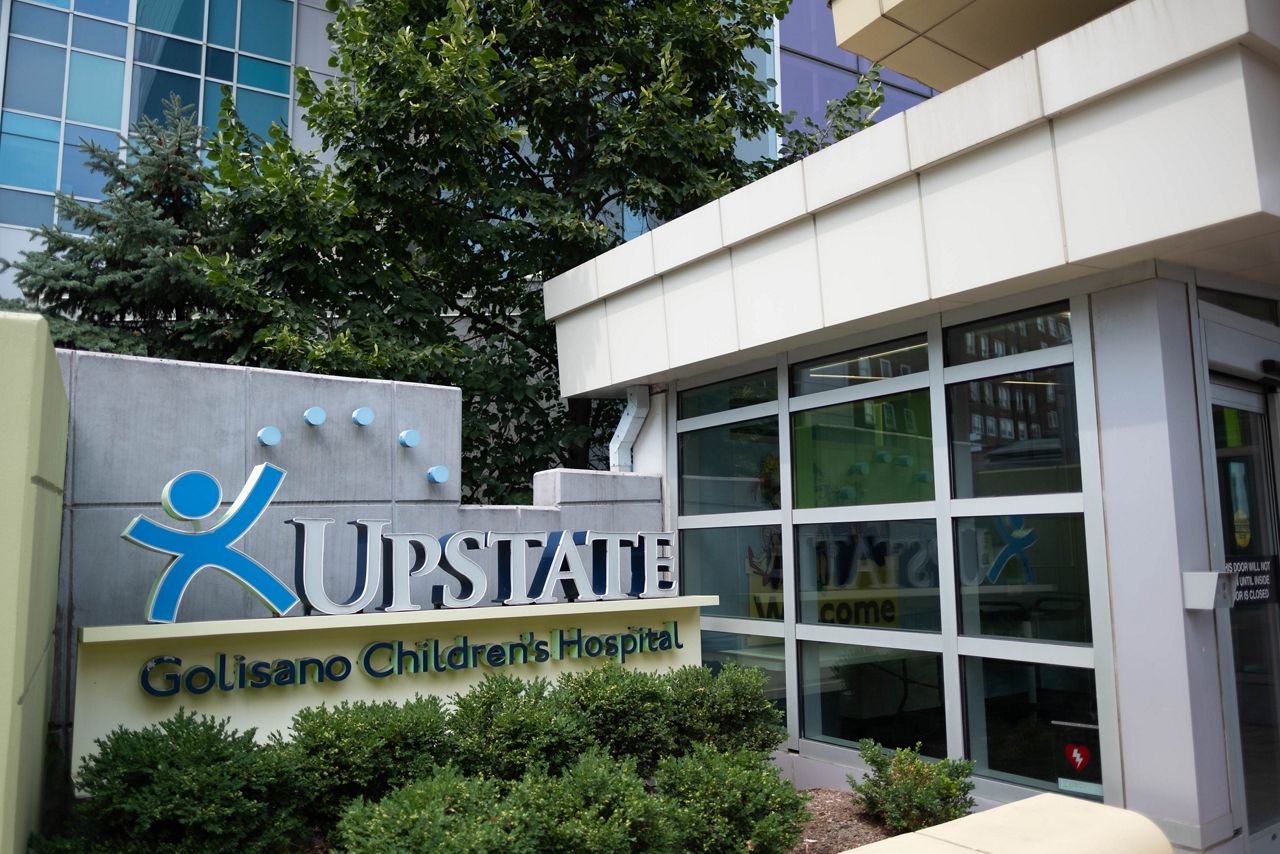
The exterior of Upstate Golisano Children’s Hospital. (Spectrum News 1/Emily Kenny)
There are 10 state-funded residential treatment facilities in New York with three in Central New York, according to Justin Mason, a spokesperson for the state Office of Mental Health. Between the 10 facilities, there are 29 units, according to the department’s website, but it has also issued a request for proposals to expand residential treatment facilities.
“OMH is committed to helping all children and their families access needed mental health treatment at all appropriate levels of care. Part of our approach to this issue is expanding community-based support, which helps families address these issues without having to seek hospitalization or residential treatment, which are both levels of inpatient care,” Mason said in a statement.
While there have been fewer beds available for residential treatment, Mason said there has been an increase in community-based support, which is meant to help keep children at home and receive mental health care.
While many factors contribute to the increased number of kids living without their guardians, no two stories are the same.
“There’s all different types of scenarios that go into an unaccompanied youth, but that is a very important part of the story, one that is, to me, a growing concern in our city,” Milana said.