
Albany city leaders on Wednesday were upfront about the city’s serious financial challenges, and they’re not the only ones dealing with it.
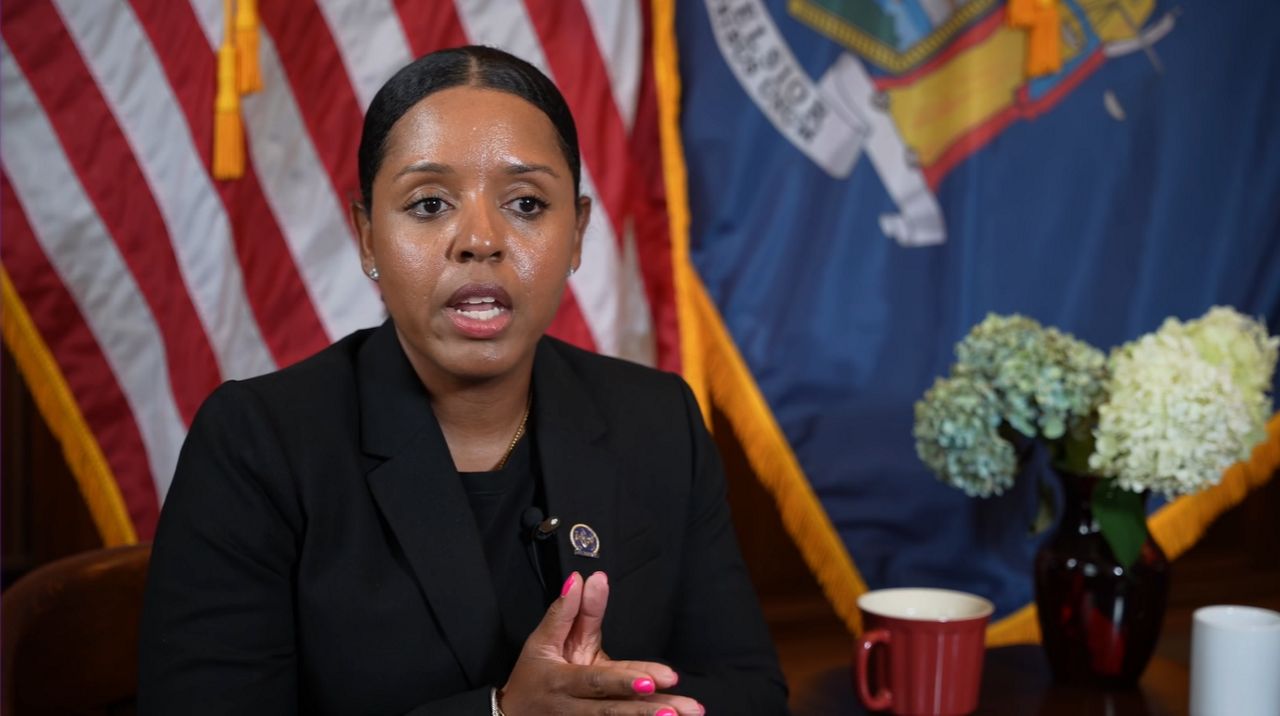
Albany’s midyear report puts the city’s financial challenge at $55 million over the next 16 months. Mayor Dorcey Applyrs and Bob Ward, the administration’s budget advisor, spoke to Spectrum News 1 on Wednesday about the city’s financial outlook.
Applyrs said her administration had cut the city’s projected deficit to $7 million from $22 million this year, but three numbers changed in July.
“An underestimate in health insurance cost to our workforce. That figure is roughly $9 million… there’s been an increase in pension amounts of roughly $5.7 million. And then lastly, a shortfall as it relates to revenue in, for about $1 million,” said Applyrs.
Ward said that a year ago, there were not realistic projections made on either the expenses side or the revenue side.
The mayor and Ward said they are working on a budget proposal for 2027, and even small costs can add up.
“Our current projection for next year with the cost of gasoline and diesel is about $250,000 higher than our cost last year,” Ward said.
The mayor’s team has also frozen non-essential hiring, cut back on travel and brought staff training in-house, part of what Applyrs calls a shift in the city’s spending. Like many cities, shortages in law enforcement are driving overtime expenses, but with new hires, the city hopes that they will subside.
“I want our residents to know, understand, my top priority is maintaining essential services and services that improve overall quality of life,” Applyrs said.
Albany isn’t alone. Buffalo has been confronting a structural deficit of more than $100 million. Deputy Mayor Ben Swanekamp provided a written statement on the matter, saying the warning signs were there for years. He blamed the repeated use of one-time revenues to balance budgets, along with a refusal to have property taxes keep pace with inflation.
University at Albany public administration professor Gang Chen says “with good leadership, then you can overcome some big difficulties.”
Applyrs said no decision has been made regarding raising property taxes. She’s also weighing new fees for services Albany provides to non-residents.
“We are exploring all of the tools in our toolbox, and we have not committed to any decisions at this moment,” she said.
Applyrs has asked the state Comptroller’s Office to review the city’s midyear report and provide their independent perspective and recommendations as the administration prepares the 2027 proposed budget for an Oct. 1 release.
“I would say that we’ve been very transparent about what we’ve seen based on our analysis that there were some overprojections in revenue and in some cases, underprojections on the expense side which has caused the structural deficits that we’ve seen,” Applyrs said.