
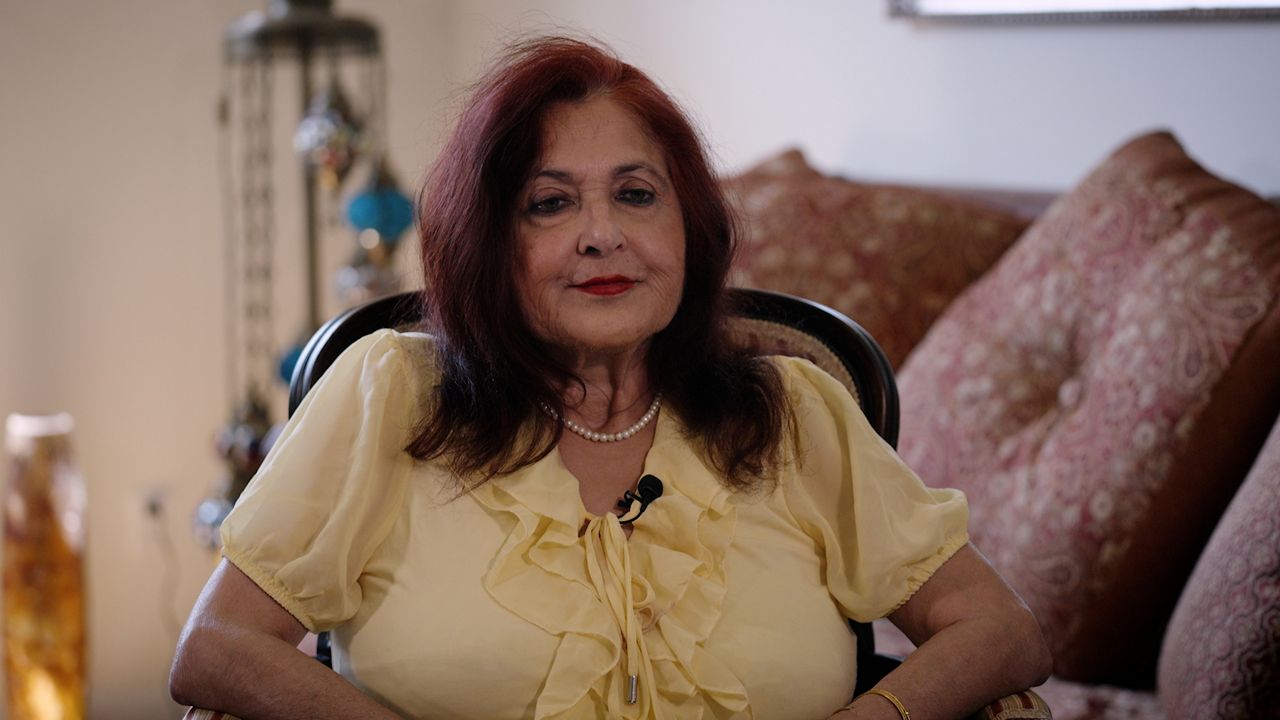
Talat Hamdani heard some of the other teachers talking at the middle school where she taught English in Jamaica, Queens. A group of them were huddled close together. When she got closer, she heard what they were talking about.
The World Trade Center was under attack. The North and South Towers had collapsed.
She called her husband. She said they didn’t know anyone who worked in the towers.
Her husband said that wasn’t true.
“He said, ‘Salman is there,'” she recalled. “He felt that he was down there.”
Mohammad Salman Hamdani was her son. He was a cadet in the NYPD.
On Sept. 11, however, he was working at his other job at the Howard Hughes Medical Institute in Midtown East, several miles away from the World Trade Center. He was weighing whether to pursue medical school at the time as well, Talat said.
But when Talat and her husband went to the institute, Salman’s cellphone was there.
On Sept. 12, they reported him missing and gave their DNA, as many families were doing at that time.
Talat made flyers that she hung all over her neighborhood in Bayside. But those, she said, were all taken down.
“I’ve been here for 22 years. I’m an American citizen and so are my children,” she told NY1 in an interview two weeks after the attacks. “They are born here. They don’t need this. They shouldn’t have to go through this. This is our land. We are American citizens.”
She said neighbors of hers stopped talking with her altogether.
“From childhood, he was the type of person who would feel someone’s pain,” she said to NY1 then. “Whether that person is a person, or an animal or an insect, he would feel the pain. He had that in him.”
And before long, she said a friend came to visit with more news.
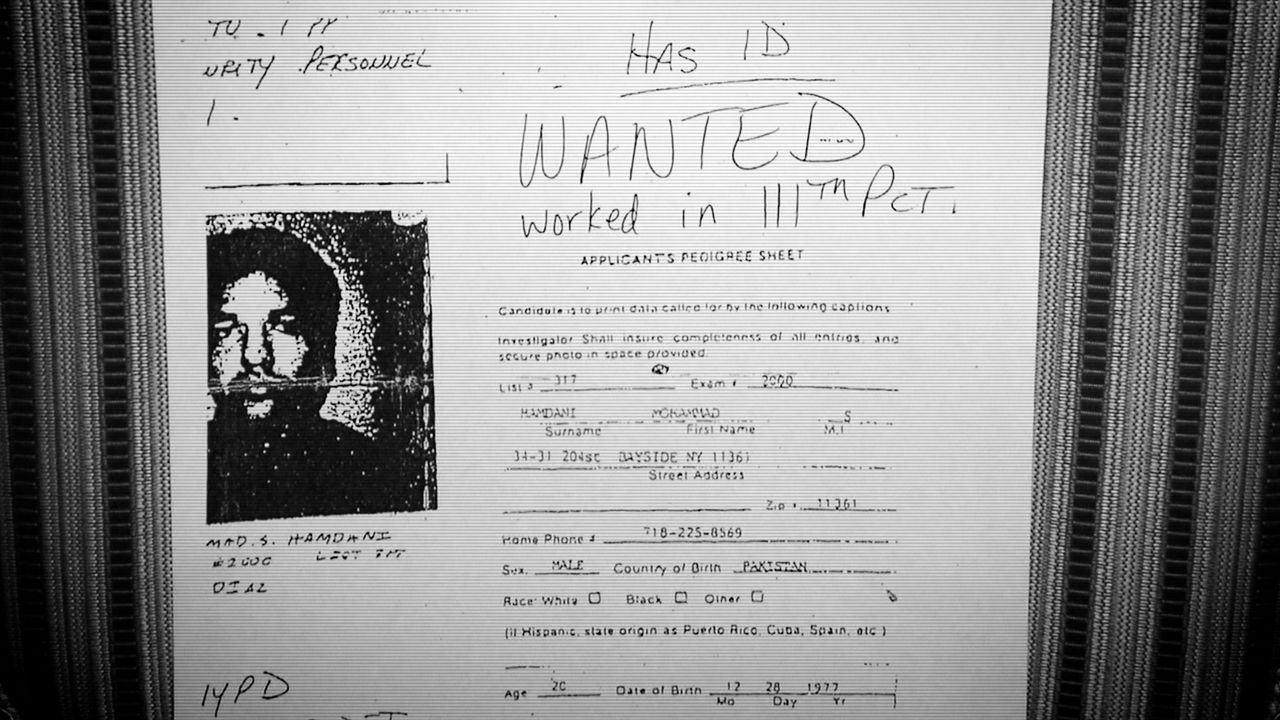
“The NYPD is searching for your son,” she said the friend told her. “There’s a flyer circulating.”
The paper said “wanted” at the very top, noting Salman worked in the 111th Precinct and that he had a chemistry background — followed by two exclamation points.
On Oct. 12, the New York Post published a story about Salman titled, “Missing — or Hiding?”
“It hurt me very deeply,” Talat told NY1 this summer.
And she said she believes there’s one reason why people ripped her flyers down and why the NYPD created its own print.
“He was being targeted because of his faith, because his first name was Mohammad,” Talat told NY1.
Salman was a devout Muslim who prayed five times a day, Talat said.
Talat said she thought he was being held by the U.S. government. It got to the point that she actually went to Guantanamo Bay, where prisoners were beginning to be held in the United States’ new War on Terror.
But Salman wasn’t there, leaving her searching for answers and feeling stuck, all while holding out hope her son was still alive.
“I found myself in a very difficult position because when I, I did start speaking out, you know, about what happened,” she said. “And when I was in my Muslim community, I found myself defending the American values. And when I was in the American community, defending my religion, you know, like a pariah.”
In March 2002, she said the call came from the Office of the Chief Medical Examiner that its team had identified Salman’s remains. In all, 34 pieces.
“They gave us his jeans and the belt,” she said.
While she did not see it, it was widely reported responders also found his medical bag.
Nearly seven months after the terrorist attacks, hundreds of people gathered at a mosque in Manhattan to pay their respects to Salman Hamdani. That included many cadets, Mayor Michael Bloomberg and Police Commissioner Ray Kelly.
“He was indeed a hero,” Kelly said.
While Hamdani was buried with full honors by the NYPD, he is not listed with members of the department on the 9/11 Memorial in lower Manhattan.
Memorial officials said Hamdani’s name was not on the list provided by the NYPD of its members killed in the line of duty on Sept. 11. He wasn’t included in the NYPD list because while a cadet, Salman wasn’t a police officer yet or recruit at the academy, according to the New York Times. An NYPD spokesperson told the outlet the fact he wasn’t an officer or recruit shows Salman’s heroism because it wasn’t his job to respond to the towers, but he did anyway.
Talat told NY1 more than a decade ago she believed he’s being excluded because of his Muslim faith.
She still went to the naming ceremony at the 9/11 Memorial in 2011, 10 years after the attacks, and the opening of the memorial. It’s the only time she said she attended.
“America acknowledges your sacrifice and honors you today,” she said then. “You died defending the American values of democracy, liberty and freedom to pursue a faith of your choice. You are not just my young Jedi, but you are America’s young Jedi. And America salutes you.”
She ended with a salute, and a round of applause from the crowd.
“I forgive everybody now, because when it comes to forgiving, you are not forgiving them,” she said this summer. “You’re forgiving yourself of the pain and torture that you were.”
Nearly 25 years later, Talat Hamdani never put a headstone on his grave. She said it’s something she intends to do soon.
“He is a shaheed, a martyr,” she said. “The shaheeds are forever alive in our faith. Martyrdom is also a factor in all the different faiths, and so that’s why I feel that his soul has reunited with my soul.”