
Your support helps us to tell the story
From reproductive rights to climate change to Big Tech, The Independent is on the ground when the story is developing. Whether it’s investigating the financials of Elon Musk’s pro-Trump PAC or producing our latest documentary, ‘The A Word’, which shines a light on the American women fighting for reproductive rights, we know how important it is to parse out the facts from the messaging.
At such a critical moment in US history, we need reporters on the ground. Your donation allows us to keep sending journalists to speak to both sides of the story.
The Independent is trusted by Americans across the entire political spectrum. And unlike many other quality news outlets, we choose not to lock Americans out of our reporting and analysis with paywalls. We believe quality journalism should be available to everyone, paid for by those who can afford it.
Your support makes all the difference.Read more
A new dissolvable 3D-printed patch has been developed by researchers in Belfast with the aim of improving treatment for localised skin cancer.
The patch has been developed by researchers from Queen’s University Belfast.
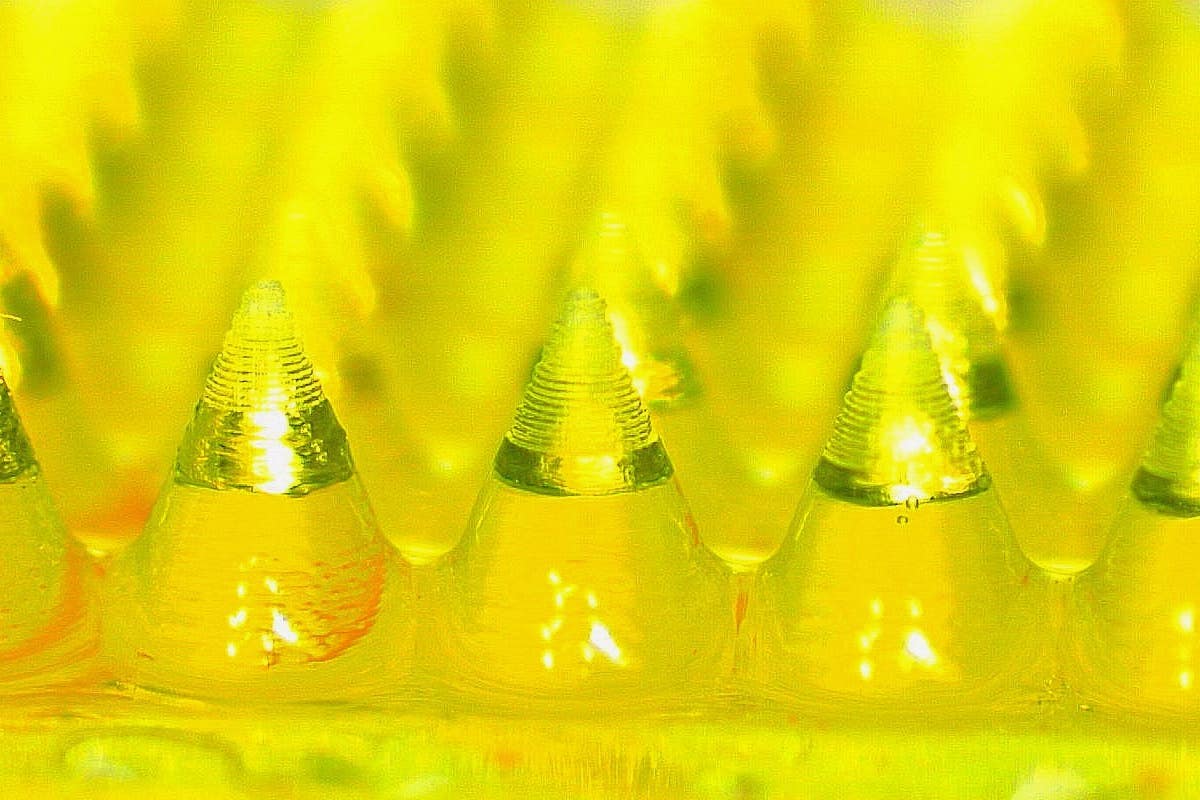
The small patch contains tiny microneedles that can pass through the outer layer of the skin without drawing blood.
The microneedles can deliver two anti-cancer drugs, curcumin and 5-fluorouracil, for potential use in people with localised skin cancer.
Researchers have said that by delivering medicine straight to the affected area, it provides a more targeted medicine delivery and could help reduce the need for repeated topical treatments, or more invasive procedures such as injections – making skin cancer treatment less painful and easier for patients.
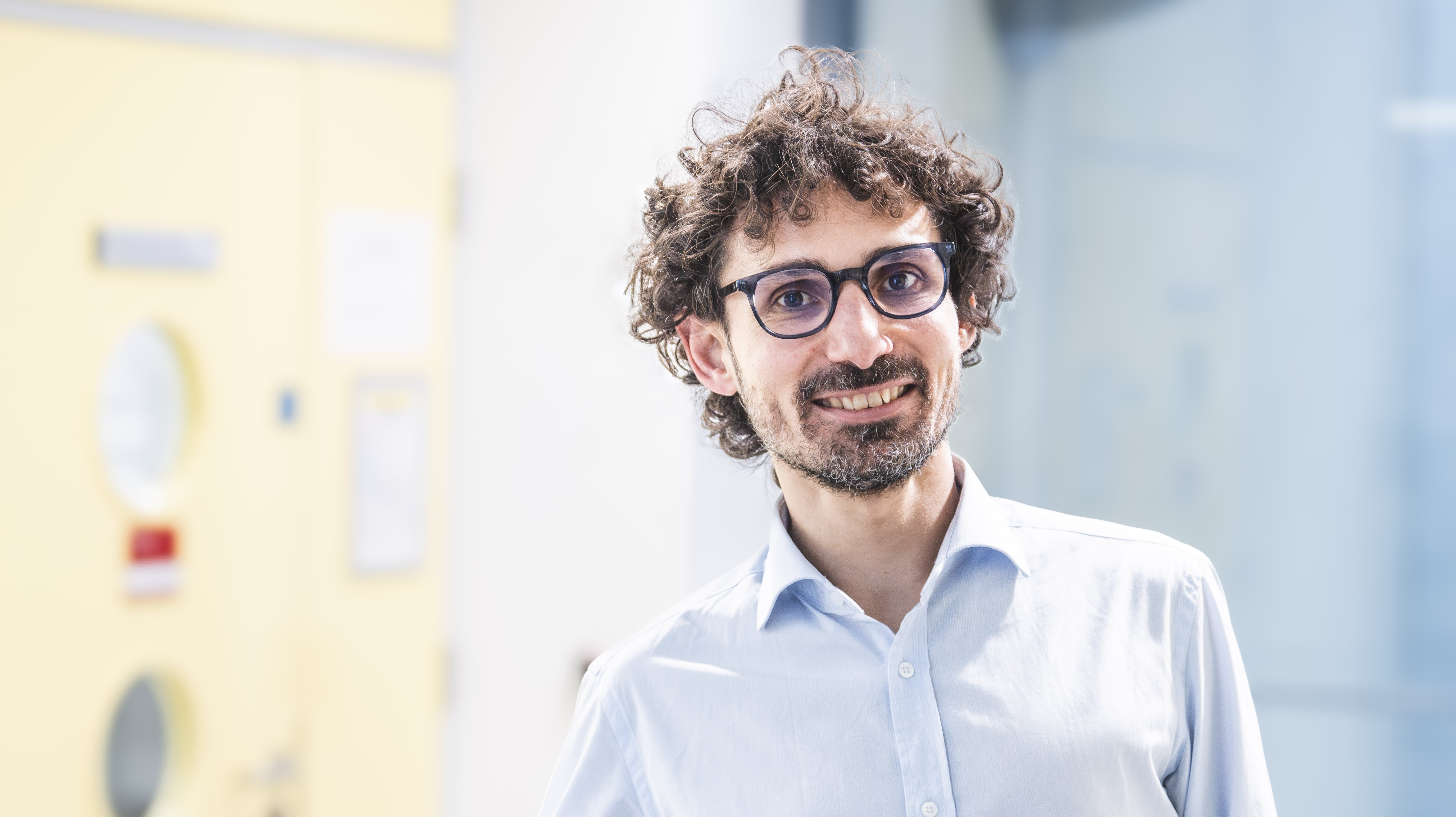 Professor Dimitrios A Lamprou, Chair of Biofabrication andAdvanced Manufacturing, both from the School of Pharmacy at Queen’s (QUB/PA)
The research was carried out by Rutuja N Meshram, a final Year PhD student, and Professor Dimitrios A Lamprou, chair of Biofabrication and Advanced Manufacturing, both from the School of Pharmacy at Queen’s.
Professor Lamprou said: “Skin cancer is a major public health concern, and current treatments often require repeated topical applications, invasive procedures, or can cause unwanted side effects.
“Many people also experience fear, discomfort, or inconvenience when treatments involve needles and injections.
“Minimally invasive microneedle systems that dissolve after application could provide a more patient-friendly, simpler and less painful way to deliver cancer medicines.
“Because the microneedles dissolve after use, they may also help reduce the risk of needle-stick injuries and decrease medical sharps waste.”
To create the specialised patch, the researchers developed a one-step 3D-printing method. This allowed them to add both anti-cancer drugs directly into a printable resin before making the microneedle patch.
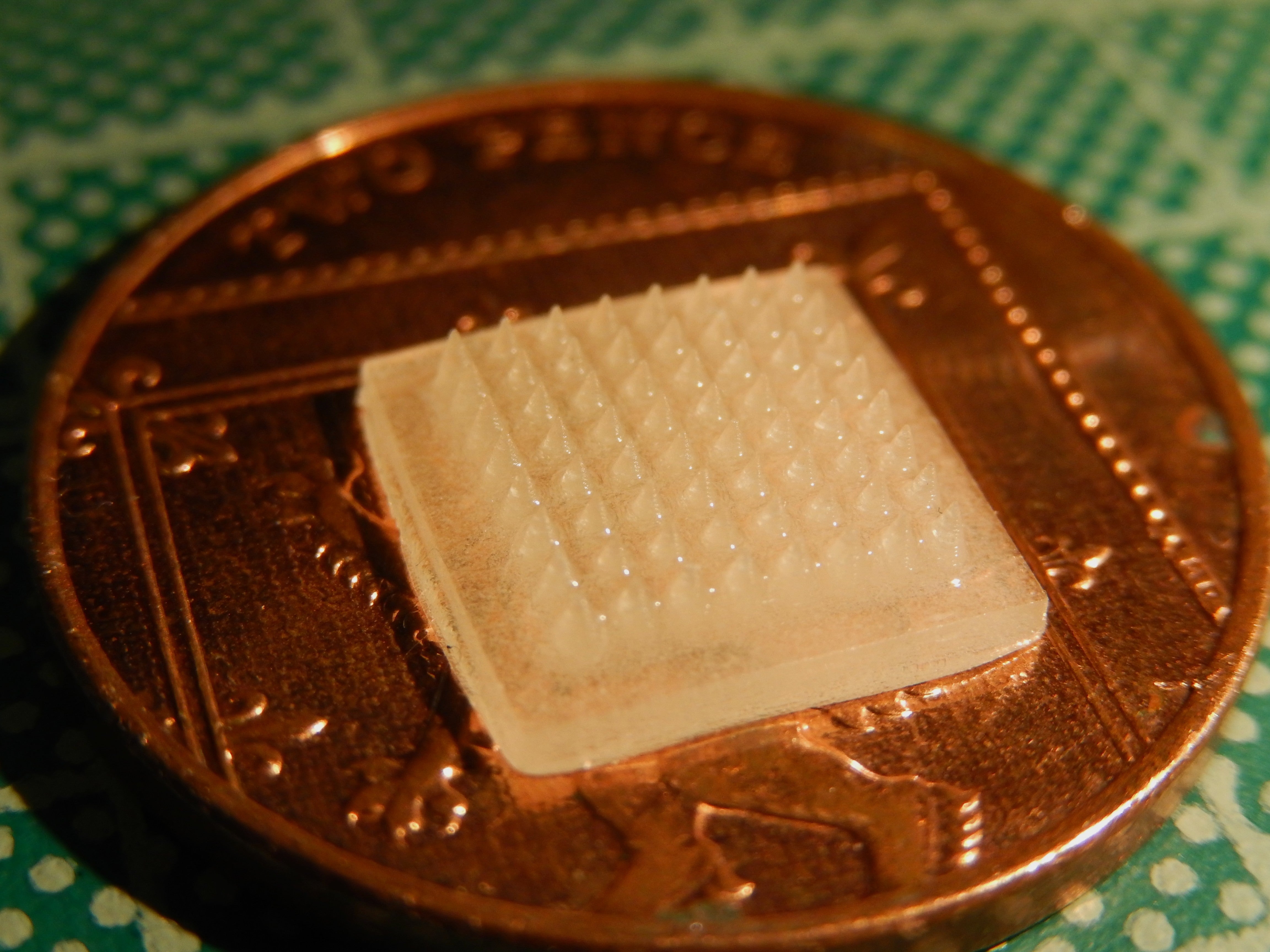 The patch is smaller than a penny (QUB/PA)
The researchers said this technique blends the drugs directly into the microneedles during the manufacturing stage, enabling better skin penetration, higher drug loading, and a controlled two-stage release.
They also believe this approach could support the development of next-generation medicine delivery technologies, including vaccines and other life-saving drugs.
Mr Meshram said: “Advanced manufacturing technologies such as 3D-printing are helping reshape the future of medicine by enabling more precise drug delivery and supporting personalised, patient-friendly healthcare.”
“Our findings point to a future where medicines and vaccines can be delivered in ways that are less painful, easier to use, and more acceptable to patients than traditional injections.
“In time, this research could support the development of more personalised treatments and safer, more accessible healthcare technologies.”
The study has been published in Advanced Healthcare Materials and was supported by the Joint Commissioner, Education Branch, Social Welfare in Maharashtra, India.