
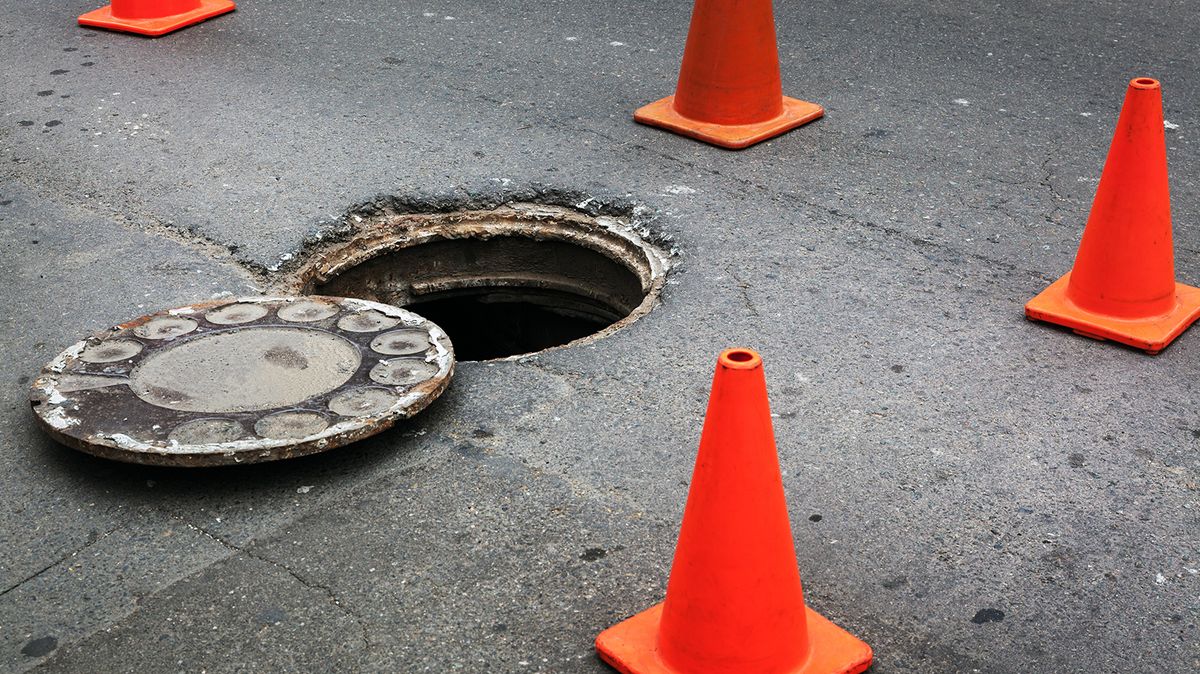
New York maintains roughly 7,500 miles (12,070 kilometers) of sewer pipes. They are working pieces of urban infrastructure, not underground pedestrian routes.
Sewers can contain hydrogen sulfide, methane and other gases capable of causing unconsciousness or death. Low oxygen levels may be impossible to detect without specialized equipment. Other hazards include contaminated water, slippery or unstable surfaces, rats, sharp objects and sudden changes in water level.
Rain creates an especially serious threat. Much of New York uses combined sewers that carry both wastewater and stormwater. A storm occurring elsewhere in the drainage area can send water rushing through a tunnel with little warning.
The Department of Environmental Protection says members of the public should never enter a sewer pipe, drain, catch basin, manhole or outfall. Unauthorized entry is illegal as well as potentially deadly.
For now, the sight of headlamp-wearing figures appearing outside Madison Square Garden remains an irresistible New York mystery. The most likely explanation, however, appears less like science fiction than a dangerous search for whatever the city has dropped beneath its streets.
We created this article in conjunction with AI technology, then made sure it was fact-checked and edited by a HowStuffWorks editor.