
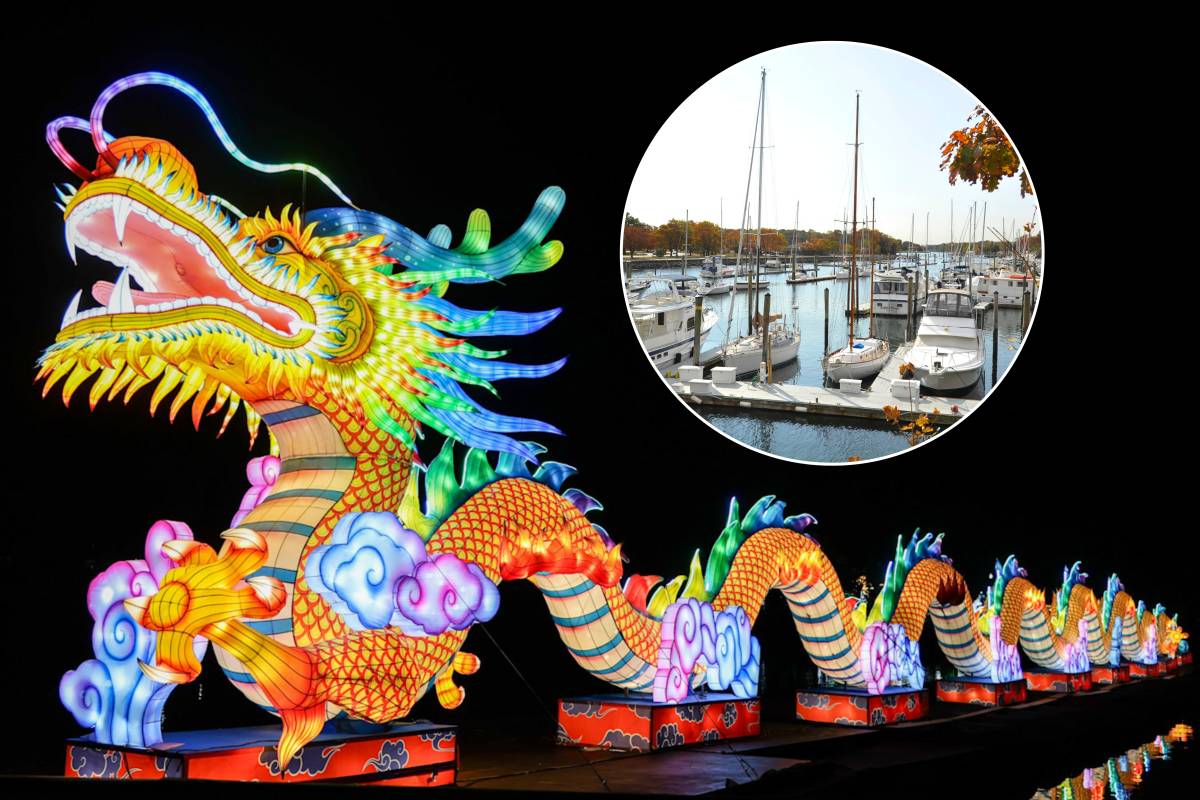
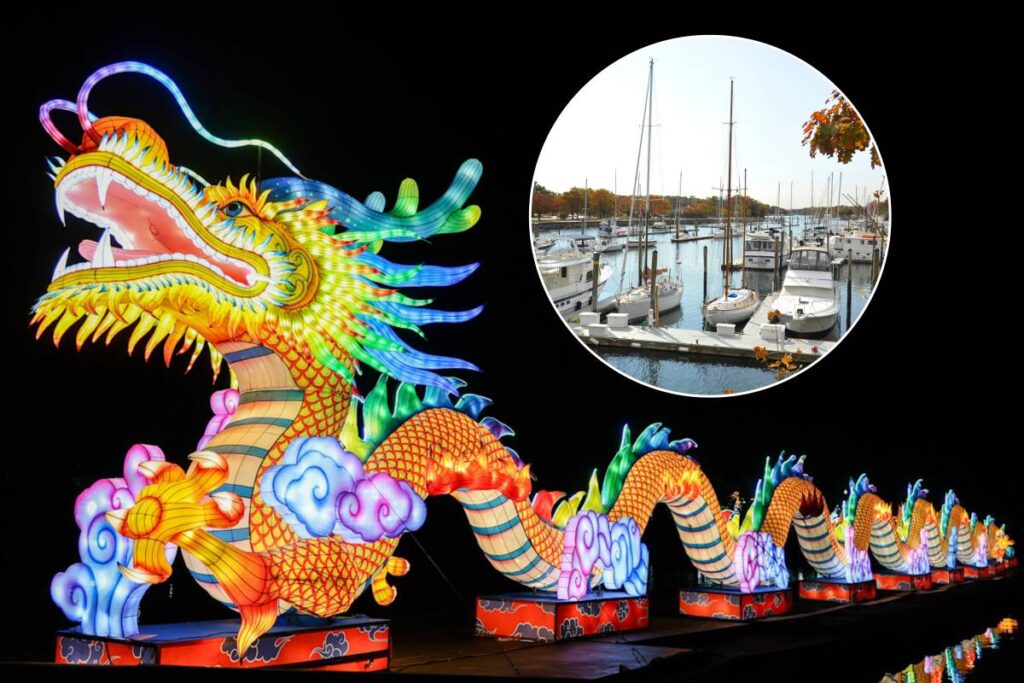
Source / Westchester County Tourism & Autumn Glow Festival
New Rochelle has spent a century and a half quietly holding onto one of the wildest pieces of American entertainment history, and most New Yorkers have never heard a word of it.
Back in 1881, a shipping magnate turned Congressman built what’s widely considered the first theme park in the country on a cluster of islands just off the New Rochelle coast, decades before anyone had ever dreamed up a place like Disneyland.
That same 105-acre stretch of land, now known as Glen Island Park, is about to glow again this fall, this time with over 1,000 handcrafted lanterns instead of elephants and beer gardens.
Autumn Glow Festival – New Rochelle, NY
Here’s everything you need to know about the Autumn Glow Festival before it lights up the Long Island Sound.
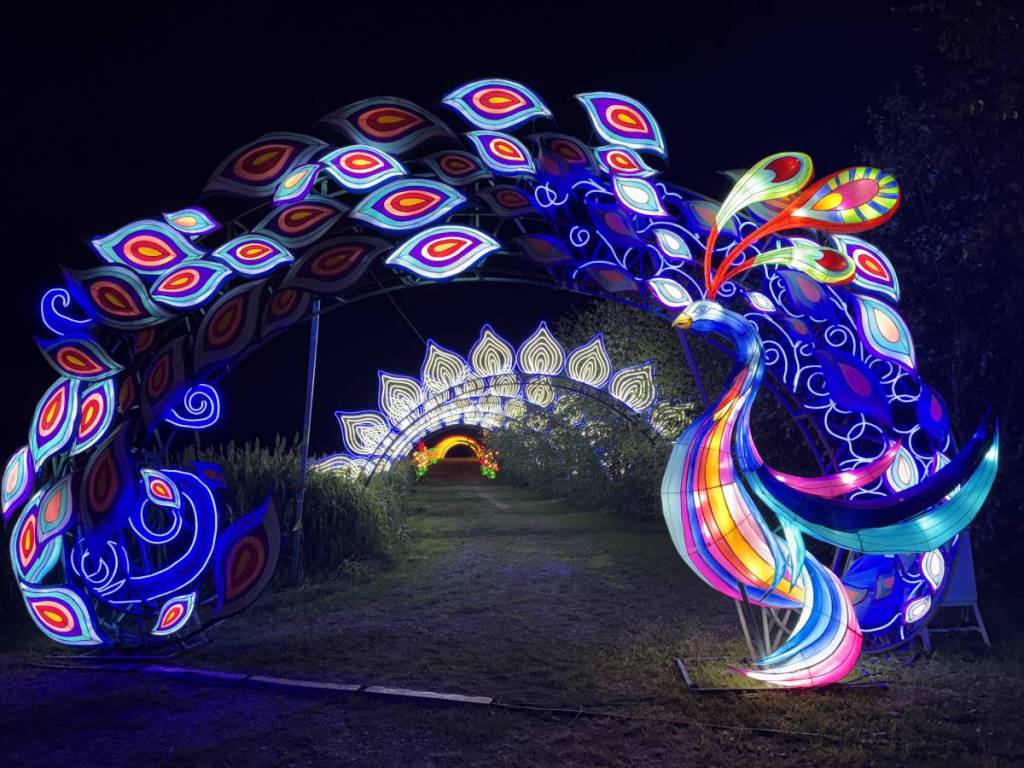 Source / Autumn Glow Festival
The island that came before Disneyland
The story starts with John H. Starin, a former U.S. Congressman who made a fortune running nearly every tugboat in New York Harbor.
In 1879, he bought a cluster of small islands off New Rochelle and fused them into one sprawling summer resort he called Glen Island, a project Wikipedia’s history of the park describes as “America’s pleasure grounds” and, quite possibly, the first theme park anywhere in the world.
The concept was strange and ambitious even by today’s standards. Each of the five connected islands represented a different global culture, linked together by red-roofed footbridges and causeways, according to Westchester Magazine’s deep dive into the park’s history.
Visitors could wander from a Chinese pagoda to a Dutch mill to a full-blown German castle imported piece by piece from the Rhine, all in the same afternoon, without ever leaving the Long Island Sound.
Inside that castle sat a beer garden called Klein Deutschland, staffed by waiters in Tyrolean dress, while elsewhere on the grounds guests could visit a zoo stocked with lions, elephants, and trained seals, or tour a natural history museum housing actual Egyptian mummies dating back to 332 B.C., per Wikipedia.
Every single ride, attraction, and amusement on the island was free. Starin made his money off the steamboat fare alone, ferrying New Yorkers up from the city in droves.
And droves came. By 1882, attendance had already hit half a million visitors a year. Within six years, it cracked a million.
From beer gardens to Glenn Miller
Glen Island’s first act ended in tragedy. The 1904 sinking of the steamship General Slocum, gutted the city’s steamboat business and took Starin’s ferry traffic down with it. Starin died in 1909, the park shuttered for good not long after, and its structures sat abandoned for over a decade.
But the island wasn’t done making history.
Westchester County bought the land in 1924, filled in the gaps between the islands to form the single landmass that exists today, and built the Glen Island Casino on the old resort’s footprint. Despite the name, nobody was gambling there, “casino” back then just meant a public entertainment hall, but it quickly became one of the most important music venues in the country.
Through the 1930s and ’40s, the Glen Island Casino’s ballroom launched the Big Band Era, hosting a lineup that reads like a jazz hall of fame: Glenn Miller, Benny Goodman, the Dorsey Brothers, Woody Herman, and a young Ozzie Nelson, whose orchestra packed the 60-by-124-foot hall so thoroughly it made national radio. The acoustics were so good that broadcasts out of Glen Island reached listeners clear across the country.
Today, the only physical remnants of that entire wild history are two stone German castles still standing on the grounds, quietly overlooking the water while joggers and picnickers pass by without necessarily knowing what they’re looking at.
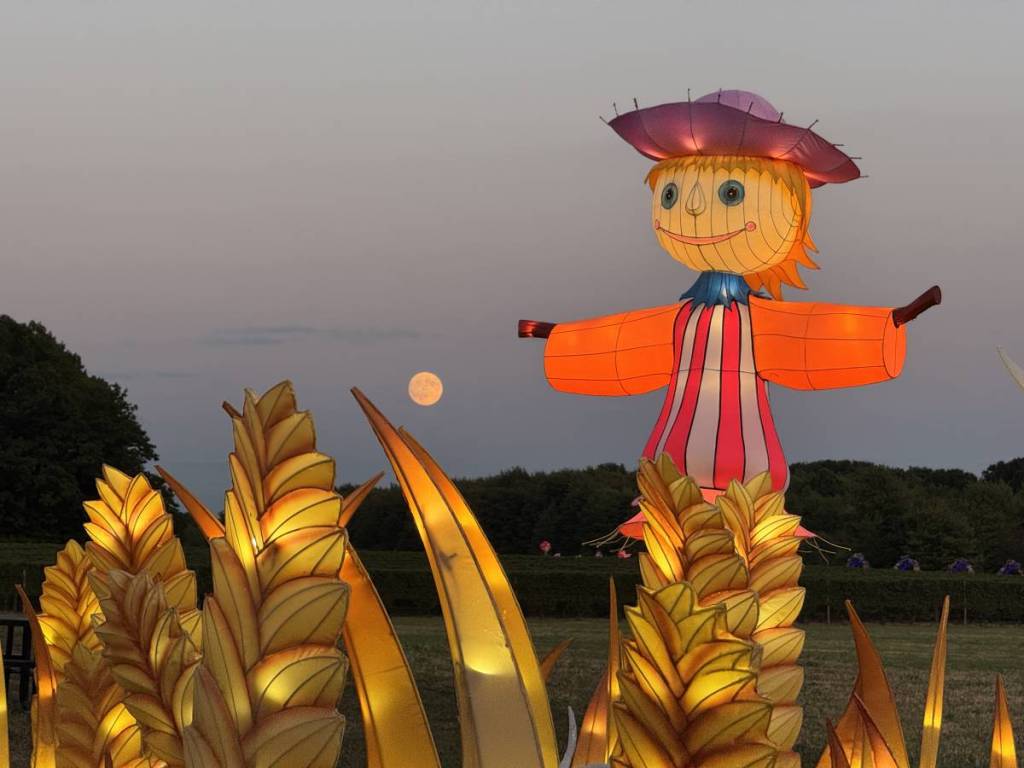 Source / Autumn Glow Festival
What the Autumn Glow Festival actually looks like
This fall, that same 105-acre island trades big band horns and beer gardens for something a little quieter: hundreds of hand-crafted lanterns, glowing along a walking trail that winds through the park after dark.
The concept draws from a centuries-old Chinese lantern-making tradition, with each lantern telling its own piece of legend and lore as you pass.
Expect illuminated tunnels, larger-than-life LED-powered sculptures, and enough photo opportunities to fill out an entire camera roll in one night.
A few details to know before you go:
Gates open at 6:30 pm and stay open until 10 pm, with last entry at 9 pm
The full walk takes roughly an hour, best enjoyed after sunset when the lanterns actually pop.
Kids ages 3 and under get in free.
Local food trucks and vendors are set up throughout the grounds.
The event is ADA compliant and runs rain or shine, with rescheduling built in for extreme weather.
It’s worth noting this isn’t the only version of Autumn Glow lighting up New York this season.
A sister event is running the same concept about three hours north at Mabee Farm Historic Site in Schenectady, staging over 1,000 lanterns across a 300-year-old Dutch farmstead.
Same glowing premise, completely different slice of New York history to wander through.
Getting there from NYC
Glen Island Park sits in New Rochelle, roughly 30 miles north of Manhattan, making it one of the more manageable fall day trips on the calendar. Driving up takes about 45 minutes to an hour depending on traffic, with parking available on site.
If you’d rather skip the highway, Metro-North’s New Haven Line runs directly from Grand Central to the New Rochelle station in around 30 minutes, putting you a short rideshare or bus ride from the park entrance.
🎟️ Grab tickets to the Autumn Glow Festival here before the early bird pricing runs out.