
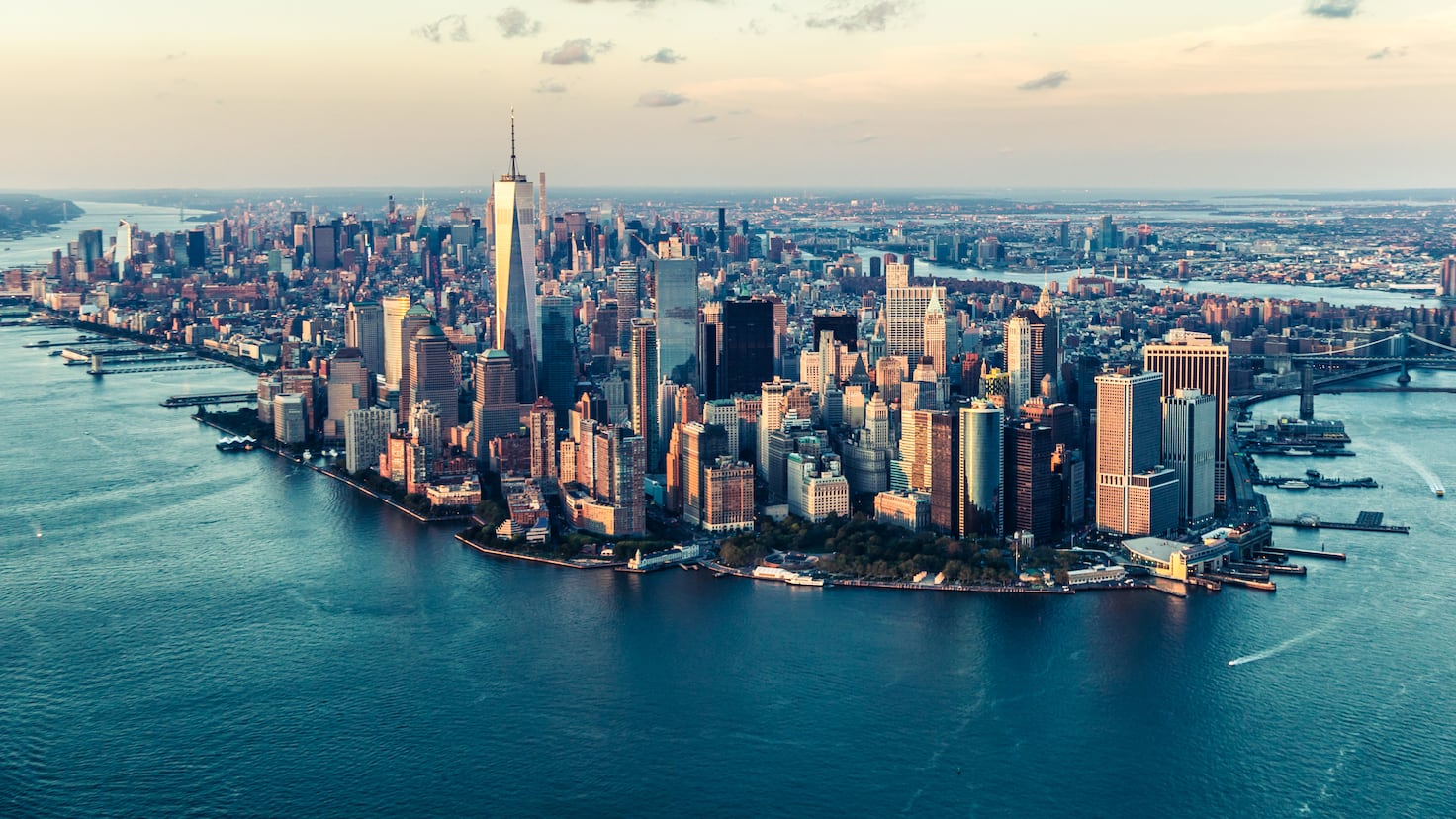
New York Harbor used to be home to hundreds of thousands of acres of oyster reefs and trillions of the bivalves. Voracious appetites and pollution all but wiped them out by 1906 and the last commercial oyster bed was closed by the city in 1927.
The New York Harbor remained toxic until 2000, when after a nearly three-decade-old ban on dumping pollutants like raw sewage the water quality finally improved enough that oysters and other aquatic life could begin to return. Since 2014, the Billion Oyster Project has been working on restoring the ancient underwater shellfish megalopolis, sometimes finding the necessary materials in surprising places.
NYC turned an ecological bane into an ecological savior
The Billion Oyster Project has teamed up with over 75 iconic restaurants across New York City to collect used oyster shells, more than 300,000 pounds each year, which are used as a foundation for new oyster reefs. They are integrating into eco-friendly cement reef balls that also create habitat for other marine life.
In addition to being used to provide an ideal surface for new oysters to attach to and grow on, this use prevents them from going to landfills. But leftover oyster shells aren’t the only superb surface for young oysters, broken-up porcelain can also serve the same purpose.
In 2016, New York City kept 5,000 toilets out of the landfill, using them to build oyster receiver beds. They had been collected through a citywide water conservation program to replace high-flow toilets with low-flow toilets New York City Department of Environmental Protection Commissioner Vincent Sapienza explained to CBS News at the time.
“We had all these extra toilets that were made to good use,” he told the outlet.
The initial population of around 20,000 oysters grown on the recycled toilets, which were deposited in Jamaica Bay, has ballooned to an estimated 30.5 million. Harbor wide the oyster population has exceeded 200 million and there are now 19 acres of oyster reefs at five locations according to Billion Oyster Project.
The oyster reefs are not only providing restored habitat for the bivalves and other sea creatures, but they’re supplying other valuable services. Each oyster can filter 50 gallons of water per day, helping to accelerate the process of cleaning the waters of New York Harbor. Additionally, they help prevent erosion of the harbor’s fragile coastline by serving as natural breakwaters, reducing wave energy before it gets to land.
Related stories
Get closer to the game! Whether you like your soccer of the European variety or that on this side of the pond, our AS USA app has it all. Dive into live coverage, expert insights, breaking news, exclusive videos, and more. Plus, stay updated on NFL, NBA and all other big sports stories as well as the latest in current affairs and entertainment. Download now for all-access coverage, right at your fingertips – anytime, anywhere.
And there’s more: check out our TikTok and Instagram reels for bite-sized visual takes on all the biggest soccer news and insights.